Marine Conservation Volunteering in Thailand: Costs & Options
Compare marine conservation volunteer programs in Thailand: dive requirements, what fees cover, ethical checks and where to go beyond Koh Tao.
On this page
Last updated November 2026, and our guide to marine conservation volunteer Thailand options starts with a plain fact: programs are paid, dive-based and centred on Koh Tao. Short stays suit certified divers or beginners willing to train first. Longer internships suit people building a dive career. We cover program types, costs and a vetting checklist below.
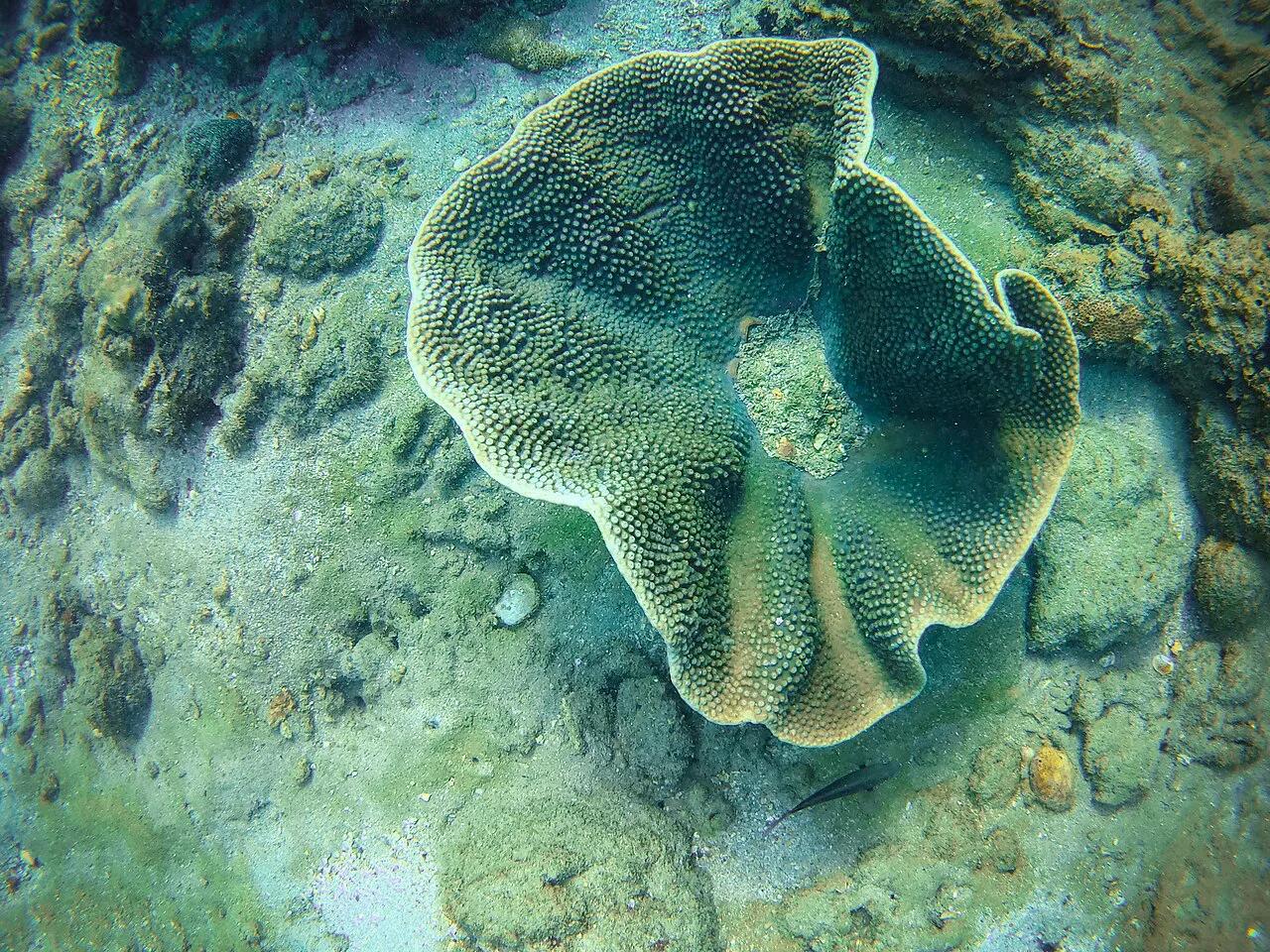
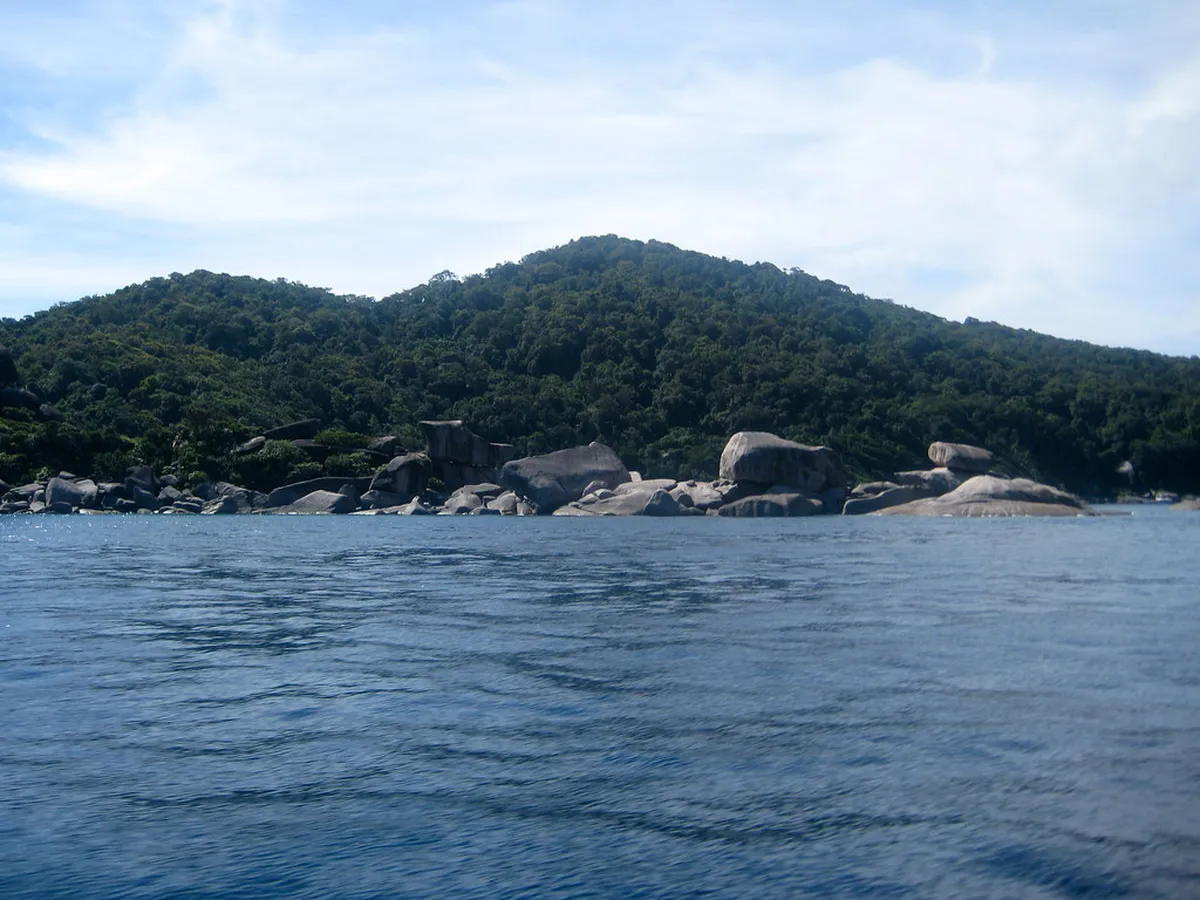
Featured image: Amada44, CC BY-SA 3.0, via Wikimedia Commons.
Marine conservation volunteer work in Thailand: what it involves
Most programs are paid placements. You pay a program fee, and that fee covers training, dives and support. It is not a free placement. We'd treat any listing that implies otherwise with suspicion.
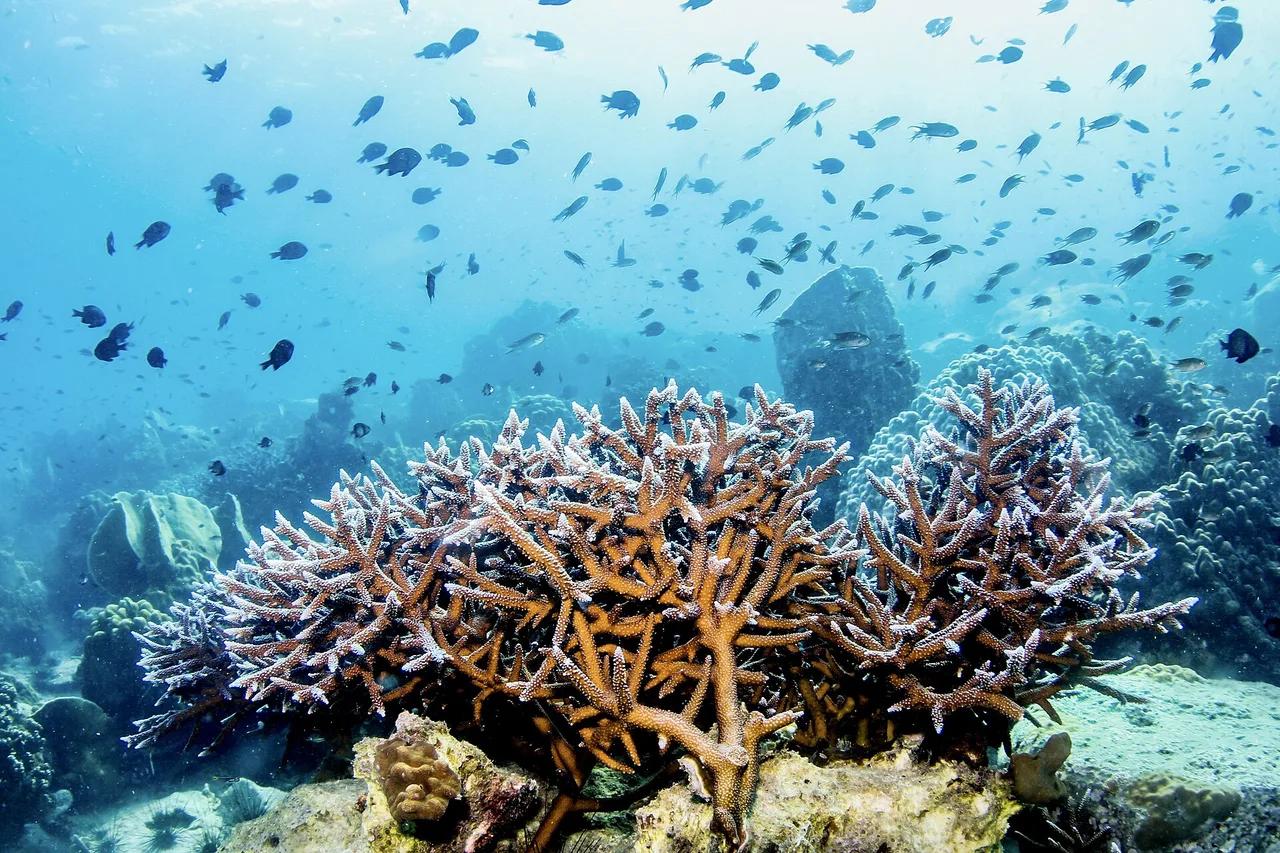
Tasks on Koh Tao programs follow a pattern. Pod Volunteer, one operator, describes interns preparing dive gear, entering reef data into databases and joining monthly goal-setting meetings. Interns also organize beach clean-ups and community events. Its published project history adds mooring-line installation, artificial reefs, invasive Drupella snail and crown-of-thorns removal, and green turtle head-starting. Those are the operator's own claims, so we read them as examples of work types, not proven outcomes.
If debris work appeals, our guide to Dive Against Debris surveys explains how underwater clean-ups feed citizen-science data. Turtle work is covered in our turtle conservation overview. For a closer look at island projects, see Koh Tao Marine Conservation: How to Take Part.
Where programs run: Koh Tao and the alternatives
Koh Tao is the center of the field. It sits in the Gulf of Thailand and is a small island with heavy dive traffic. That traffic is the pressure these programs try to offset. Local groups such as Save Koh Tao work on the island's environmental issues, so start there when you want local context.
Non-diving options exist, but they are rarer. One directory lists a Trang coastal conservation hub at Pak Meng Beach, beside Hat Chao Mai National Park on the Andaman coast. That project is described as coastal and mangrove work, not diving. Ask the operator for current dates and tasks.
For reef context beyond one island, read our Thailand coral reef guide. Closures also shape where you can work. Our note on the Koh Tachai closure shows how protected-area limits can change a plan. The Department of Marine and Coastal Resources publishes official coastal and reef information.
Which program type fits you
Entry level drives everything else. Pod Volunteer's published model shows the pattern, and we've used it for the rows below. Shorter volunteer stays under 4 weeks usually include training on arrival. Internships ask for certification up front or a training block first.
Shorter stays under 4 weeks suit beginners, while the internship's 4 weeks of training come before any staff work. Choose by how much time you can commit.
| Program type | Minimum dive level | Typical duration | Suits | Main trade-off |
|---|---|---|---|---|
| Short volunteer stay | Often none; training on arrival | Under 4 weeks | Beginners and certified divers testing the work | Less responsibility and less data work |
| Conservation Diver Internship | Advanced diver | 8–12 weeks | Divers wanting hands-on reef work | Long commitment and living costs beyond the included period |
| Divemaster plus Conservation Internship | Rescue diver with 40 logged dives | 12 weeks | Career-minded divers | Professional fees and materials on top of the program fee |
| Non-diving coastal or mangrove project | None | Varies by operator | Non-divers and budget-conscious volunteers | Fewer programs and less reef contact |
What marine conservation volunteering costs and what fees leave out
We won't print fee figures. The only itemised internship prices we found date from 2021–2022 listings, which is too stale to use. Ask each operator for a current written quote in baht or its billing currency. Directory headlines such as "from a low daily rate" cover whole volunteer catalogues, not marine programs.

Pod Volunteer's model shows what a fee tends to cover. Accommodation is included for the first 2 weeks only. Then you arrange your own. Its internship has 4 weeks of training before 4–8 weeks of assisting staff.
Build a total-cost worksheet before you book. Add these lines together:
- Program fee, and what it includes
- Dive courses needed to reach the entry level, such as Open Water, Advanced or Rescue
- Extra dives beyond those included
- Accommodation after the included period
- Divemaster materials and professional certification fees, if relevant
- Flights, ferry and transfers to Koh Tao
- Travel insurance that covers diving
- Visa, vaccinations and medication
- Food, laundry and free-time activities
How to vet an ethical marine volunteer program
Treat these as questions to ask, not accusations. A good operator answers them quickly and in writing. A vague answer to any of them tells you something.
- Who receives the data, and is it published or shared with researchers?
- Is there a local or government partnership, and can they name it?
- Are volunteers doing real work, or are they mainly paying customers on fun dives?
- What is the dive-safety record, and what is the supervision ratio?
- Are fees itemised, with exclusions listed?
- How long has the project run, and can past volunteers be contacted?
- Do local staff and community members lead any of the work?
The footprint question: dive travel and reef health
We think programs should be honest about a tension. Dive tourism strains a small island's reefs, and these programs exist partly to repair that strain. Flights and boat transfers add emissions of their own. A short stay with real work often beats a long one that mostly sells dives.
Your own habits matter too. Our guide to reef-safe sunscreen in Thailand covers what to pack. Heat stress is the larger reef threat. Our coral bleaching guide explains it. You can also check the NOAA Coral Reef Watch alerts before choosing dates.
Timing, visas and getting to Koh Tao
A stay of several weeks may exceed tourist visa-free limits, and volunteering can fall under different entry rules. Check current requirements with the Thai embassy or consulate that serves your passport. Ask your operator which visa it expects you to hold.
Plan the first 2 weeks around the included accommodation. Then book a longer stay, which interns often arrange through hostels, apartments or shared housing. Your operator can advise on options.
Ferry and transfer connections to Koh Tao change by season, so get current schedules from the operator. Arrive early if you need extra courses, as Pod Volunteer advises. Check diving cover on your insurance. For sea conditions and visibility, rely on official marine and weather sources, not operator marketing.
Notes for your next dive trip
Optional updates to our Thai diving guides.
You might also like

Continue reading
More guides you'll find useful