Mantis Shrimp in Thailand: Where to See and Eat Them
See or eat mantis shrimp in Thailand? Compare diving and seafood-market options, safety, ordering tips, and what to verify before you go.
On this page
Last updated November 2026: mantis shrimp Thailand plans come down to two tracks, seeing one underwater or eating one at a seafood restaurant. Divers look for the colorful peacock mantis shrimp on reef and sand. Diners look for live tanks and garlic-fried plates on the Andaman coast.
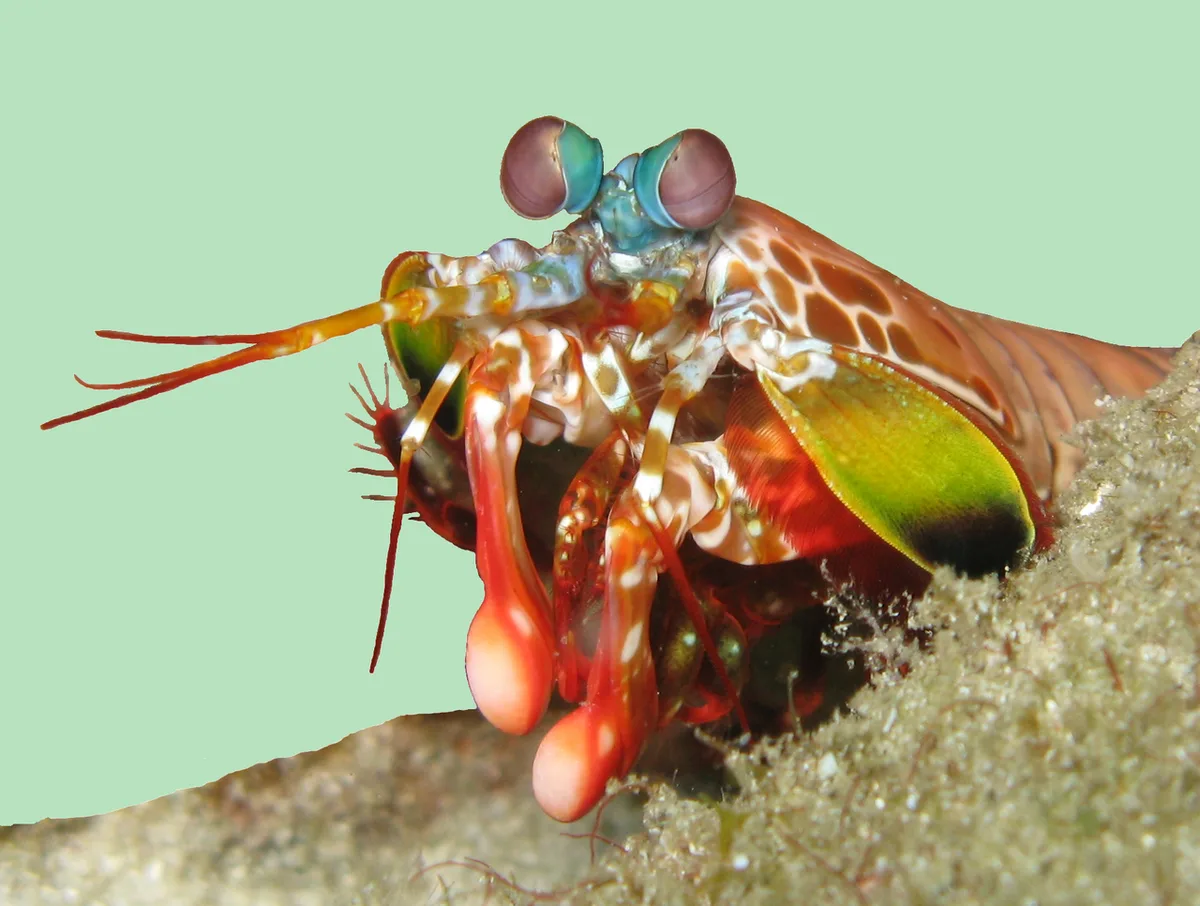
Featured image: SeeingMole, CC0, via Wikimedia Commons.
Mantis Shrimp in Thailand: The Short Answer
Yes, mantis shrimp live in Thai waters, and yes, Thai seafood restaurants serve them. Your goal decides everything else. Divers and snorkelers should read the sections on seeing them, while diners can jump to the ordering notes. Both groups will find the safety rules useful. For wider context on what lives in these waters, start with our Thailand marine life guide.
What a Mantis Shrimp Is and Why Divers and Diners Both Care
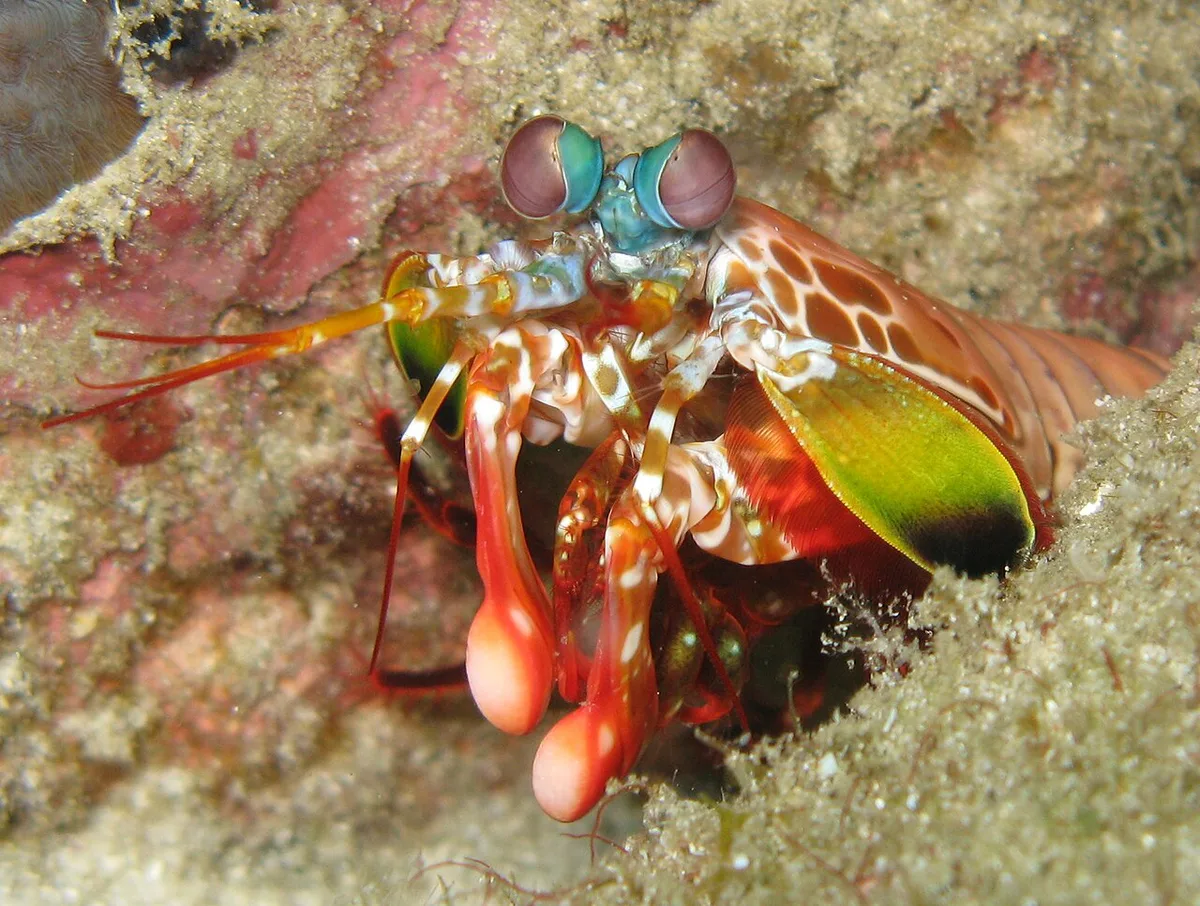
Mantis shrimp are not true shrimp. They belong to a separate group of crustaceans, and the name comes from folded front claws that resemble a praying mantis. Those claws smash or spear prey. Peacock mantis shrimp (Odontodactylus scyllarus) are the reef species with vivid blues, greens, reds, and oranges. They live in coral and sandy areas and dig burrows to retreat into. Species that end up on restaurant tables are not usually the ones divers photograph, though local vendors can tell you what they are selling. Biologists track the status of marine species on the IUCN Red List.
Seeing Mantis Shrimp: Diving, Snorkeling, and Photography Notes
Peacock mantis shrimp sit at burrow entrances on reef edges and sandy patches. Most sightings are brief, because the animal backs into its hole when a diver approaches. No dive site in Thailand has a reliable mantis shrimp guarantee that we can support. Ask your dive guide on the day whether anyone has seen a burrow nearby. Guides who know a site well tend to spot burrows first.
- Move slowly and stay a body length or more back from the burrow.
- Use a macro lens or a zoom setting instead of closing the distance.
- Keep fins, hands, and gauges off the sand around the entrance.
- Skip the flash if the animal flinches or retreats.
- Pair the search with other burrow dwellers such as octopus and cuttlefish.
Eating Mantis Shrimp: Where It Shows Up and How It's Cooked
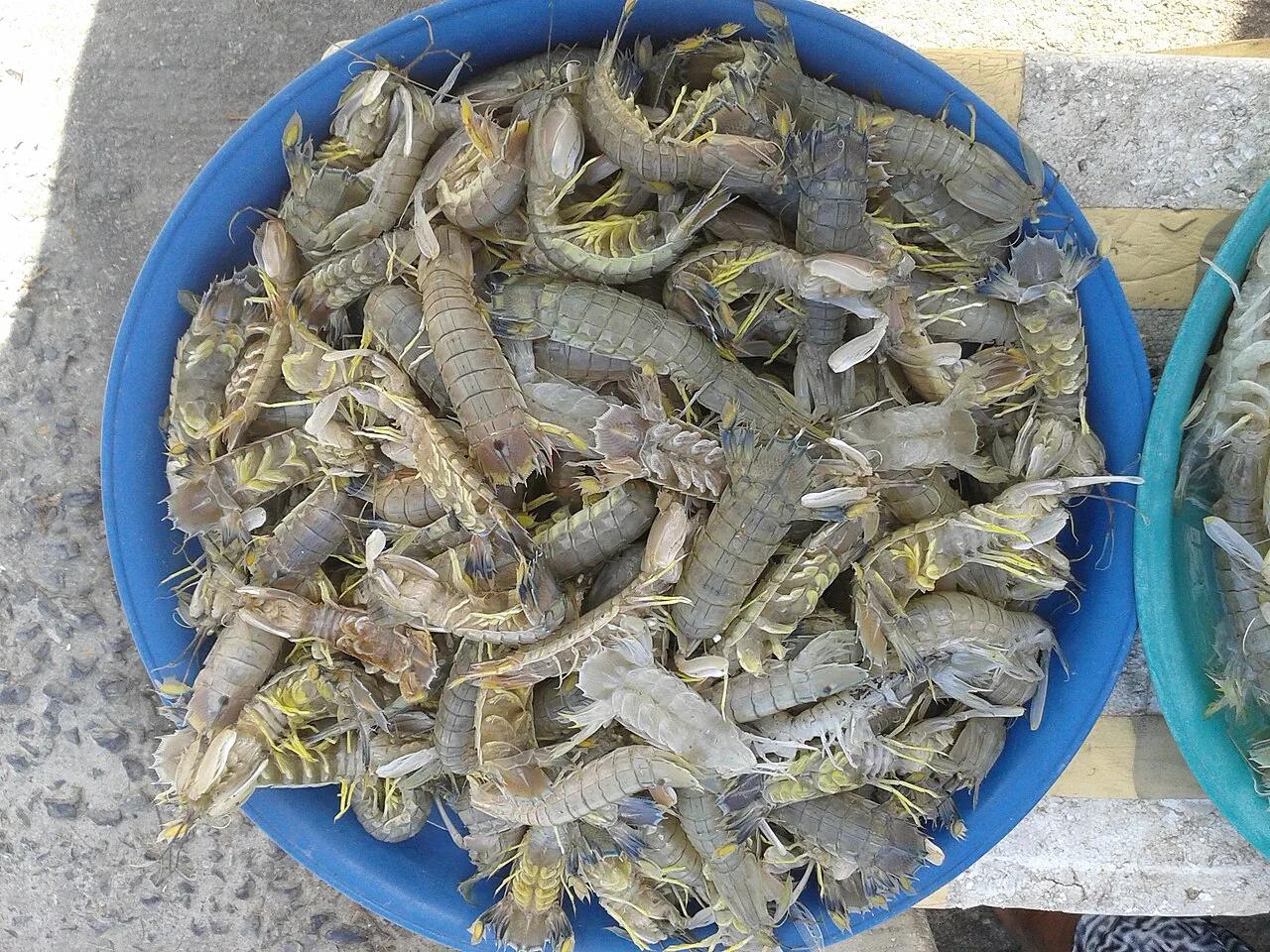
Seafood restaurants around Kata and elsewhere on Phuket keep live mantis shrimp in tanks. Cooks prepare them steamed, grilled, garlic stir-fried, with black pepper sauce, or salt-and-chili style. Beach stalls also deep-fry them under heaps of crispy garlic. Prices and menus change by restaurant and by day's catch, so ask before anything leaves the tank. Order by weight and ask the price per kilogram first. Pick an animal that moves when touched, and expect to crack the shell by hand. Staff will often snip it open for you if you ask. Prices and hours checked November 2026 are not listed here, because restaurants set them locally.
See It vs Eat It: Decision Table
Use this table to pick a track. Effort and cost are relative comparisons, not quotes.
| Goal | Effort | Cost level | Best fit | Skip if |
|---|---|---|---|---|
| See it underwater | Higher: needs a dive or snorkel trip and patience | Higher: trip price depends on operator | Divers and photographers who enjoy macro subjects | You want a guaranteed sighting |
| Eat it at a restaurant | Low: walk in and choose from the tank | Varies by weight and cooking style | Diners comfortable with whole shellfish | You avoid shellfish or dislike cracking shells |
Safety, Ethics, and Common Mistakes
A mantis shrimp's claws deliver a hard strike. Never pick one up and never poke a burrow with a finger, a stick, or a camera. Treat any dive injury as a medical matter, and see Divers Alert Network for dive safety guidance. Crevices hide other animals too, including moray eels, so keep hands out of holes in general. Marine rules in Thai waters are set by national agencies, and the Department of Marine and Coastal Resources publishes current guidance.
- Handling a wild mantis shrimp or provoking it to strike.
- Ordering seafood without asking the price per kilogram.
- Assuming every colorful shrimp you see underwater is edible or safe.
- Disturbing a burrow for a closer photograph.
Planning Notes by Region
The Andaman coast is the region best supported for both tracks. Phuket, Phi Phi, and Khao Lak are all dive-operator areas, and Kata on Phuket has seafood tanks. Sea conditions and diving vary with the monsoon, so ask a local operator which months suit your plans. We have no confirmed mantis shrimp sightings on the Gulf of Thailand side. If you visit Phi Phi, consider the Phi Phi night plankton trip as a separate evening plan. For close-up subjects beyond burrows, try nudibranchs or seahorses.
Frequently Asked Questions
How much does a mantis shrimp cost?
Restaurants price mantis shrimp by weight, and the rate depends on size and the day's catch. Ask the price per kilogram before the staff pick an animal from the tank.
Why aren't mantis shrimp true shrimp?
Mantis shrimp belong to a separate group of crustaceans. Their folded, striking front claws set them apart from the shrimp most people know.
Could you eat mantis shrimp?
Yes, and Thai seafood restaurants serve it steamed, grilled, garlic stir-fried, or with black pepper sauce. Crack the shell by hand or ask staff to help.
Notes for your next dive trip
Optional updates to our Thai diving guides.
You might also like

Continue reading
More guides you'll find useful