Nudibranch Thailand: Best Dive Areas, Seasons & Species
Where to see nudibranchs in Thailand: dive areas compared, species to look for, seasons, certification needs and a Koh Tao course price.
On this page
Last updated November 2026. Planning a nudibranch Thailand dive trip starts with picking an area, because Phuket has 71 recorded sea slug species while Koh Chang has just 1. SEASLUG.WORLD lists 159 species across Thailand, so most dive areas hold something to find. This guide compares those areas, then covers species, seasons, certification, photography and costs.
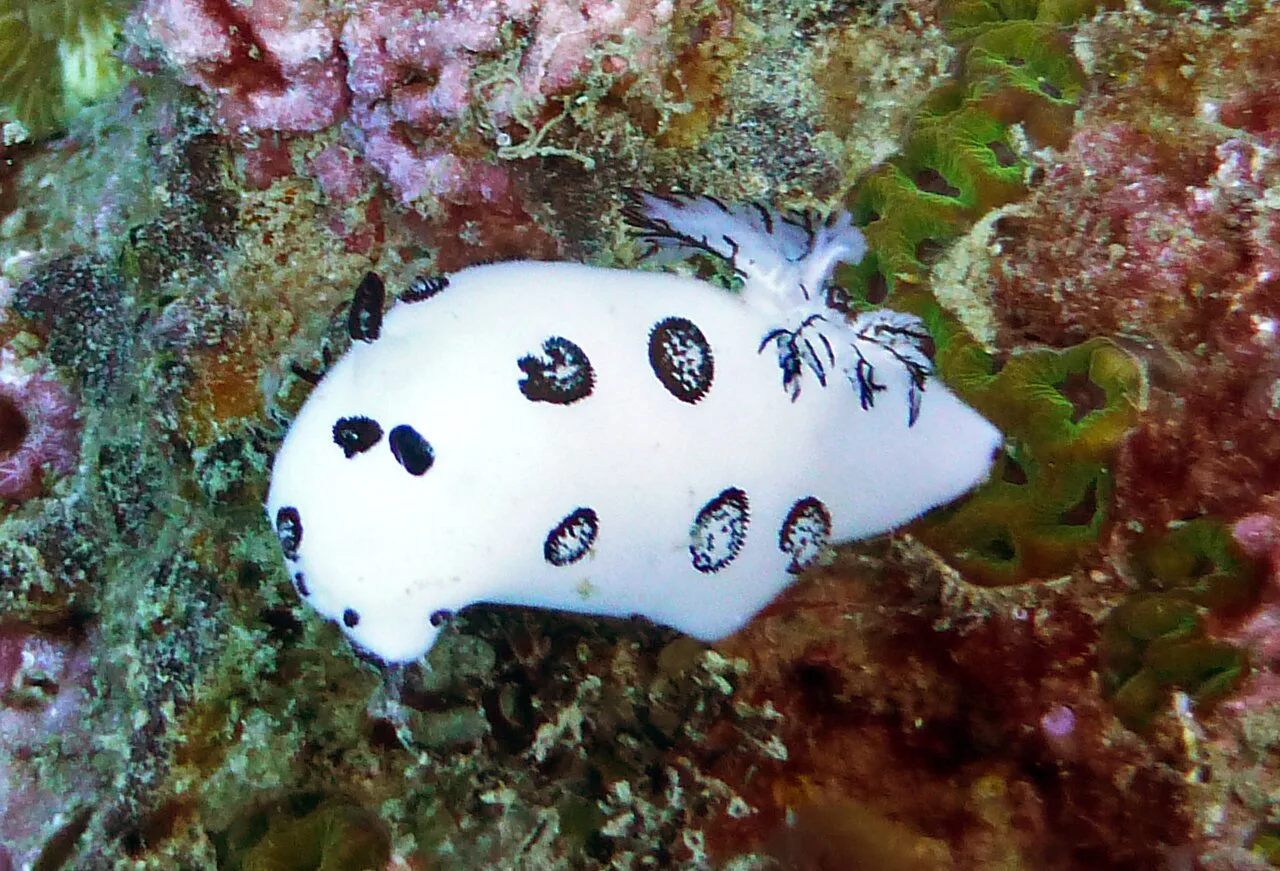
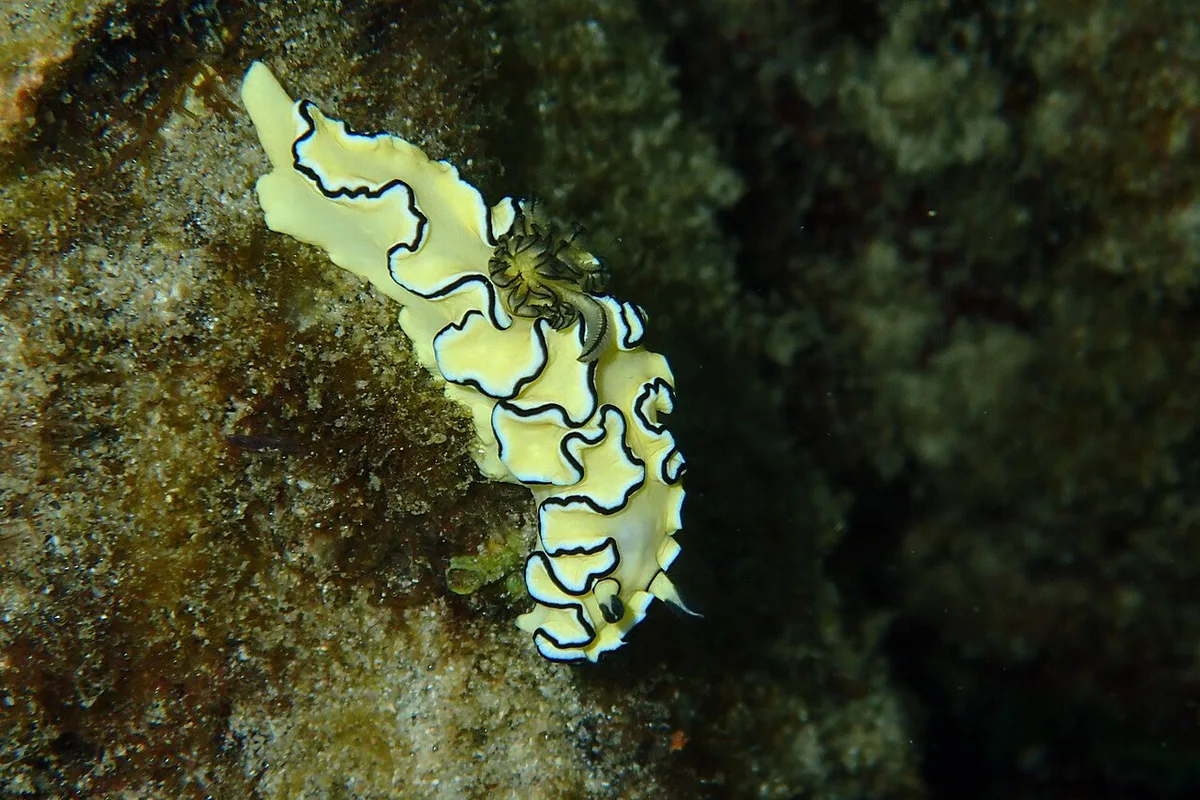
Featured image: Amada44, CC BY-SA 4.0, via Wikimedia Commons.
Where to See Nudibranchs in Thailand
Phuket, Pattaya and Koh Lipe have the most documented sea slug species in Thailand, with 71, 50 and 47 records. These are record counts from SEASLUG.WORLD (accessed November 2026), not a quality ranking. An area with fewer records may simply have fewer divers logging them. Nudibranchs are one thread of the country's reef life, which our Thailand marine life guide covers more widely.
| Area | Documented species | Coast | Best fit |
|---|---|---|---|
| Phuket | 71 | Andaman | Photographers wanting the widest record |
| Pattaya | 50 | Gulf | Short trips from Bangkok |
| Koh Lipe | 47 | Andaman | Dedicated sea slug hunting |
| Koh Tao | 16 | Gulf | Courses and training |
| Khao Lak | 11 | Andaman | Combining with Similan trips |
| Similan Islands | 10 | Andaman | Liveaboard divers |
| Surin Islands | 7 | Andaman | Liveaboard divers |
| Ao Yai-I | 2 | Not stated | Little documented |
| Koh Chang | 1 | Gulf | Little documented |
Nudibranch vs Sea Slug: What You Are Actually Looking For
Sea slug is the broad label for soft-bodied marine gastropods. Nudibranchs are one group inside it, and sacoglossans and pleurobranchs are others. Nudibranch means "naked gills", and many species carry exposed gills or finger-like cerata on the back. Rhinophores are the paired sensory horns on the head. Most animals are only a few millimetres to a few centimetres long, so spotting one takes patience.
When to Go: Season and Conditions
Thailand's two coasts run on different seasons, so match your dates to the coast. SEASLUG.WORLD publishes a monthly record chart for Thailand, with average water temperature for each month. Use it to see which months divers log the most animals. Andaman liveaboards and some park areas close in the monsoon. Closure dates and park fees are set by the Department of National Parks, so read the current notice before booking a Similan or Surin trip. Visibility and macro life do not always peak together, so ask your operator which matters more in your month.
Common Thai Nudibranch and Sea Slug Species to Look For
SEASLUG.WORLD records these animals in Thai waters. Learn the groups before the individual species. Hypselodoris, Phyllidiella and Tenellia are useful ID families to know. Your guide will usually name sightings faster than a field book.
- Blue Dragon (Pteraeolidia semperi)
- Domino Nudibranch (Phyllidiella zeylanica)
- Black-margined Nudibranch (Doriprismatica atromarginata)
- Three-lobed T-bar Nudibranch (Ceratosoma trilobatum)
- Caramel Nudibranch (Glossodoris rufomarginata)
- Gem Sea Slug (Goniobranchus geminus)
- Ringed Goniobranch (Goniobranchus annulatus)
- Varicose Wart Slug (Phyllidia varicosa)
- Phi Phi Islands Phyllidiopsis (Phyllidiopsis phiphiensis)
Reef, Muck and Night Diving for Nudibranchs
Reef dives find nudibranchs on sponges, corals and rubble patches. Muck dives cover sandy or silty bottoms that look empty at first. Slow searching there turns up small, camouflaged animals. A octopus or a cuttlefish often shares the same sand. Look for seahorses and a mantis shrimp burrow too. Night dives can reveal species that stay hidden by day. Sites vary across Thailand, so ask the operator which site suits the style you want.
Do You Need to Dive? Certification and Access
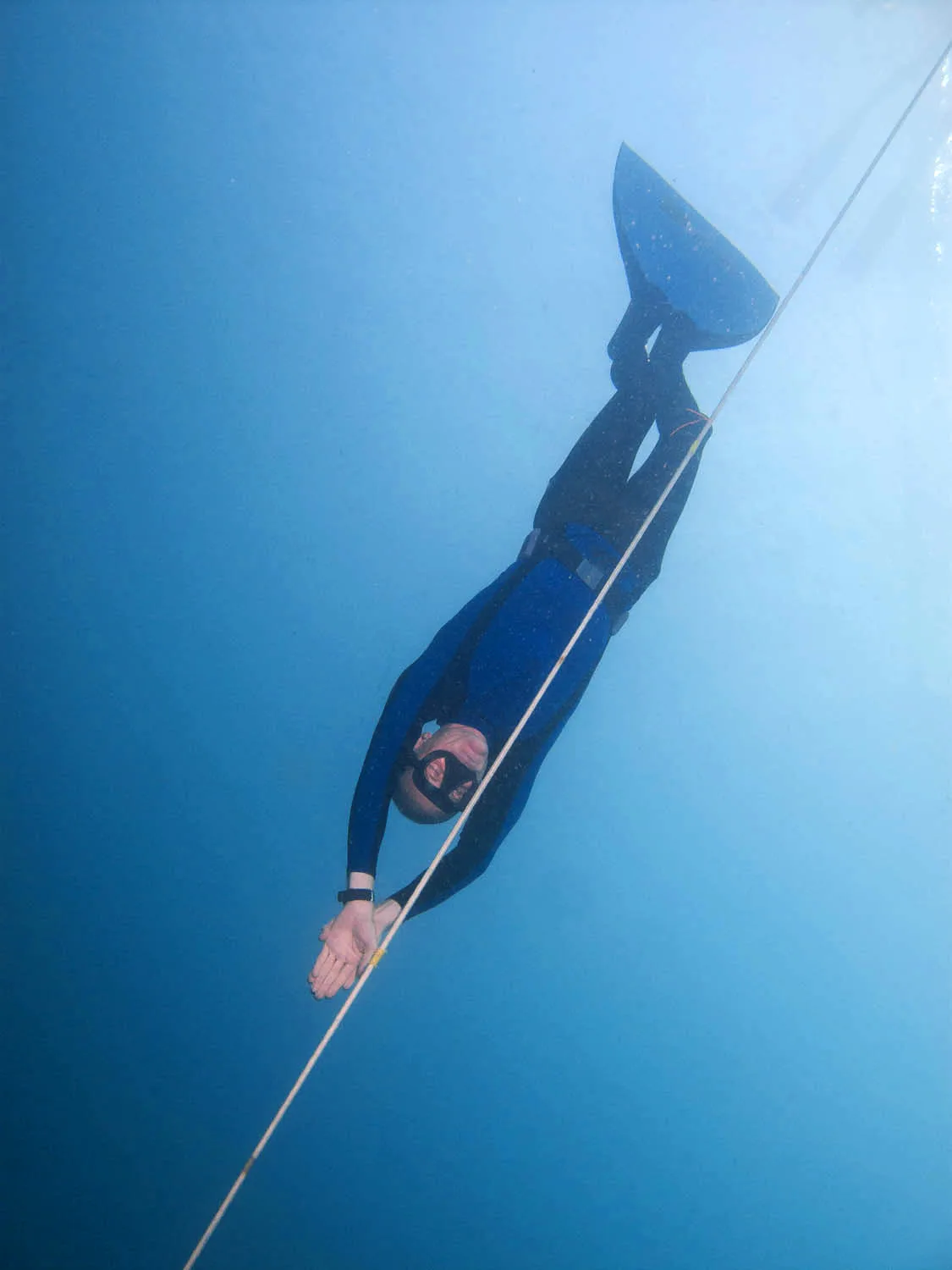
Snorkelers will see few nudibranchs. Most species are tiny and often deeper or cryptic. Open Water divers can see them on guided reef dives. Advanced divers get deeper sites and better access to courses. The Koh Tao sea slug course requires Advanced Open Water, which is a 2-day, 5-dive program at ฿11,900 with Black Turtle Conservation. Before booking any dive, ask three questions:
- What is the guide-to-diver ratio?
- Has the guide led nudibranch dives before?
- Is a macro lens or camera rental available?
Nudibranch Photography and the Nudibranch Eye
Macro suits nudibranchs because the animals are small and slow. A macro lens shows rhinophores, cerata and gills that the naked eye misses. Good buoyancy matters more than gear here. A photographer hovering a few centimetres from the bottom needs control to avoid silting up or touching the reef. Develop a nudibranch eye by scanning sponges, hydroids and algae, which are food sources for many species.
Phuket's 71 recorded sea slug species outnumber Koh Chang's single record, though record counts reflect logging, not quality.
Costs, Courses and Choosing an Operator
Prices and hours checked November 2026. Black Turtle Conservation on Koh Tao lists its Nudibranch & Sea Slug Ecology course at ฿6,000. It runs 1 day with 2 dives, and the price includes equipment, a dive computer and dive insurance. A lecture is indicative at 09:00, dives at 12:00 and 15:00, and a debrief at 17:00. Prerequisites are Advanced Open Water and the Ecological Monitoring Program, which costs ฿11,900 over 4 days and 6 dives. Starting from zero, the Open Water course at ฿12,950, Advanced at ฿11,900, EMP and the sea slug course add up to ฿42,750. For fun dives, compare per-dive price, boat versus shore entry, and any park fees.
Black Turtle's ฿6,000 course is one day with 2 dives, but Advanced Open Water and the ฿11,900 Ecological Monitoring Program come first.
Why Nudibranchs Matter: Reef Ecology and Citizen Science
Many species eat only one kind of sponge, coral or hydroid. That specialisation makes them useful indicators of reef health. Many carry chemical defences from their food. Divers who log sightings, with depth and substrate, help researchers track distribution. The Koh Tao course feeds student data into a sea slug research database.
Responsible Viewing
Nudibranchs are fragile, so keep fins and cameras off the reef. Bottom-hugging macro dives bring you close to other animals too. A stonefish looks like rock, and a lionfish has venomous spines. Black spines of a sea urchin can break off in skin. A moray eel may sit in a crevice where you search. Pair this with the clownfish that live nearby on anemone reefs.
- Do not touch or move an animal for a photo.
- Do not chase a top-10 list; follow your guide's local sightings.
- Do not expect guaranteed sightings on any dive.
- Build your buoyancy skills before macro work.
Choose Your Nudibranch Trip by Diving Goal
Choose Phuket when a broad documented record matters most. SEASLUG.WORLD lists 71 species there, the highest figure in this guide. Choose Koh Lipe for a more focused Andaman trip, with 47 documented species. Those totals reflect logged records, not a promise of sightings on any dive.
Pattaya suits divers building a short trip from Bangkok. Its 50 documented species make it a strong Gulf alternative. Ask whether the operator can run a slow reef, muck, or night dive. The best site depends on recent local sightings and conditions.
Koh Tao is the practical choice if you want training alongside guided searching. Black Turtle Conservation lists a 1-day Nudibranch & Sea Slug Ecology course with 2 dives. It requires Advanced Open Water and completion of its Ecological Monitoring Program. Book a conventional guided dive first if you only want to practice finding and photographing small animals.
Frequently Asked Questions
Are nudibranchs hard to find?
Yes, for untrained eyes. Most are a few centimetres long and blend into sponges or algae. A guide who knows local sightings makes the biggest difference.
Are nudibranchs safe to touch?
Do not touch them. They are fragile, and some use chemical defences taken from their food. Look and photograph without contact.
Notes for your next dive trip
Optional updates to our Thai diving guides.
You might also like

Continue reading
More guides you'll find useful