Clownfish in Thailand: Species, Spots and How to See Them
Where to see clownfish in Thailand: which species live in the Andaman Sea and Gulf, the best snorkel and dive areas, and how to watch them responsibly.
On this page
Last updated November 2026. Clownfish Thailand sightings are most reliable in the Andaman Sea, around Phuket, Phi Phi, Koh Lanta, Similan and Surin. Anemonefish also turn up in the Gulf at Koh Tao. Here is which species to look for, where to go, and whether you need to dive.
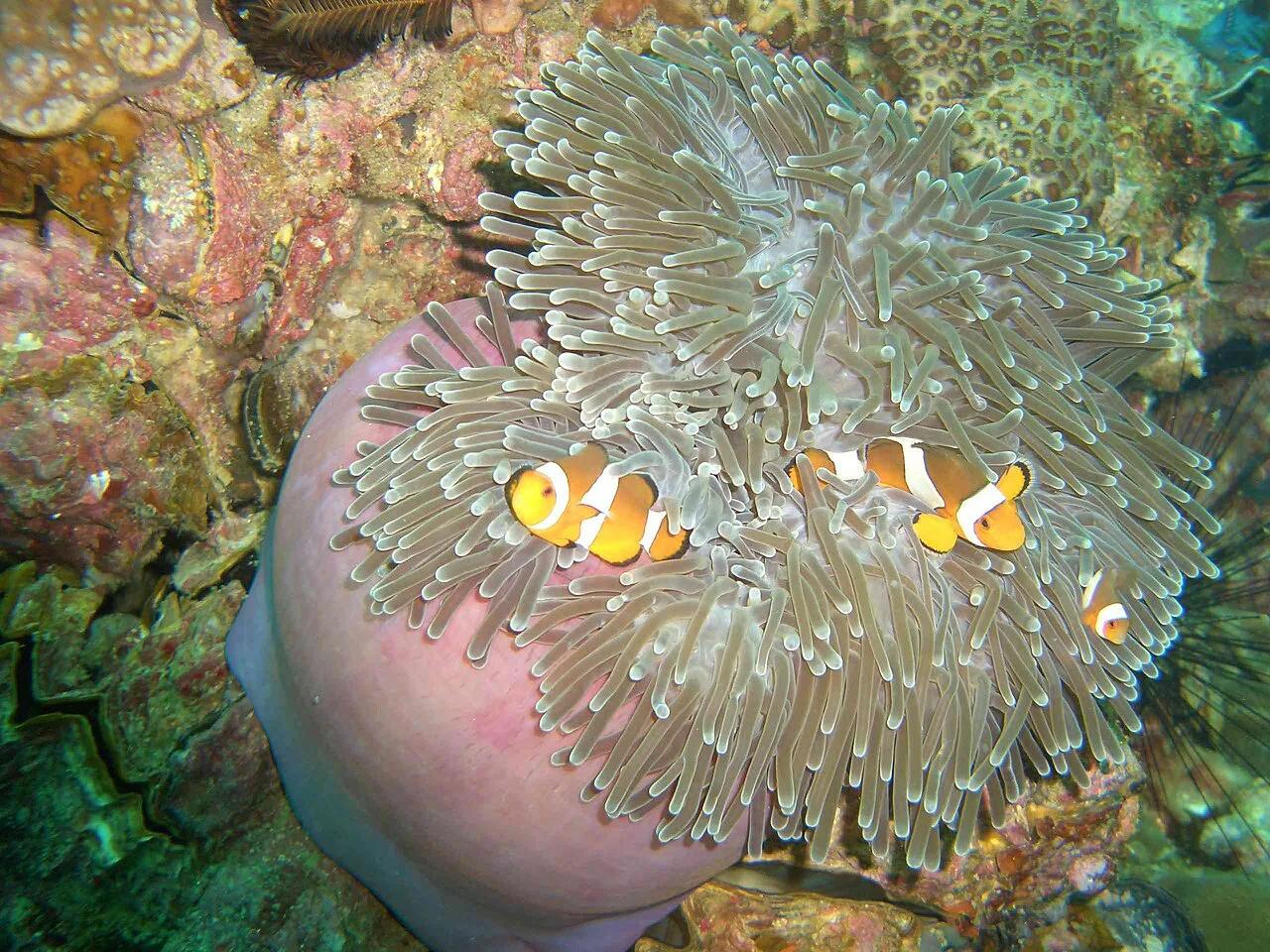
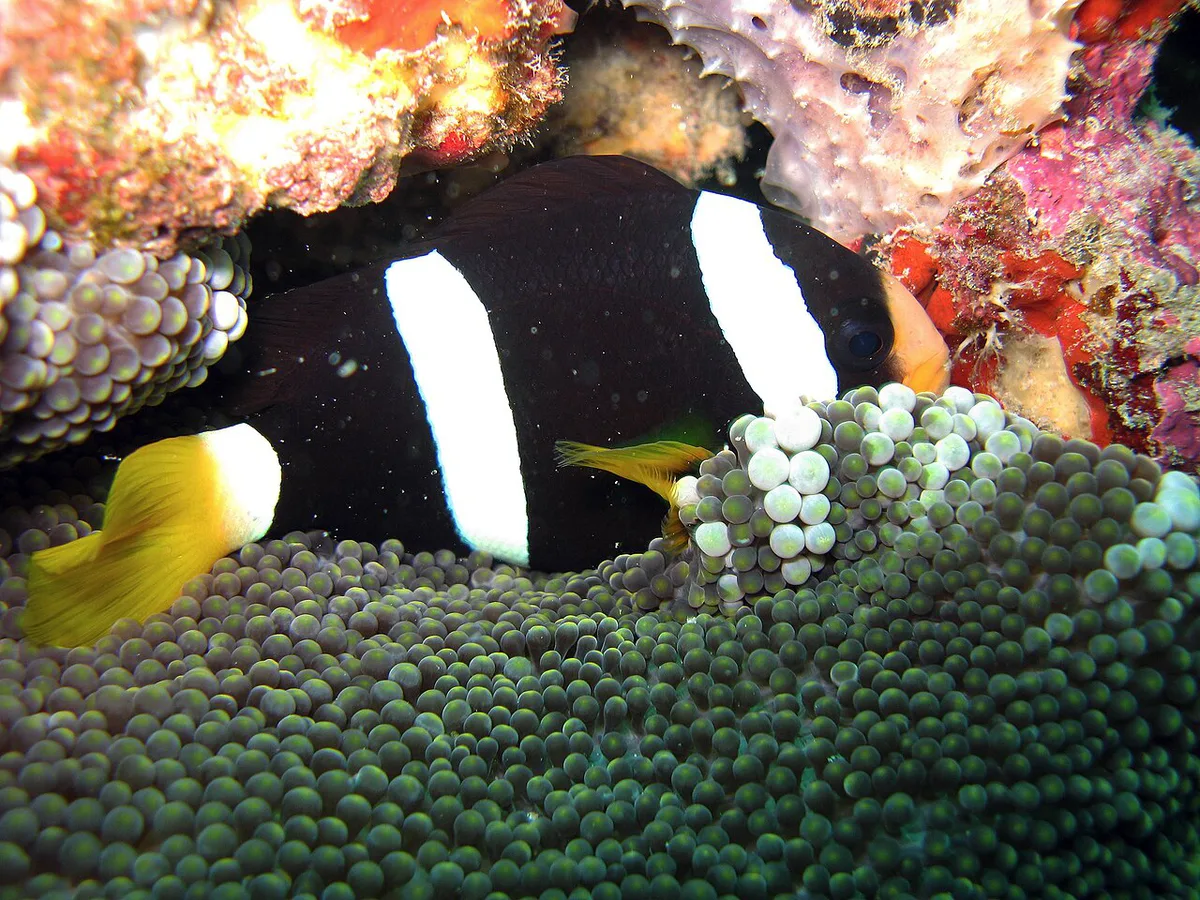
Featured image: Philipp Schäufele - User: (WT-shared) Flip666 at wts wikivoyage, CC BY-SA 1.0, via Wikimedia Commons.
Can you see clownfish in Thailand?
Yes. Clownfish, also called anemonefish, live on Thai reefs, and most reported sightings come from the Andaman Sea. Shallow reefs off Phuket, Phi Phi and Koh Lanta are the usual starting points. Koh Tao, in the Gulf of Thailand, is a popular snorkel area too, and Shark Bay there is a good first stop. Sightings depend on season, visibility and the individual reef, so no tour can promise a particular fish. Clownfish are one of many reef residents covered in our Thailand marine life guide. Snorkelers can see many species in shallow water. Divers reach more of the deeper sites.
Clownfish Thailand species guide
Four species are named most often for Thai waters. Clark's anemonefish is the likeliest sighting for beginners because it is widespread and adapts to many anemone types. Dive operators on Koh Lanta list males of that species at up to 10 cm and females at up to 15 cm. The film star lookalike is the false clown anemonefish, Amphiprion ocellaris, which grows to about 11 cm. Local dive guides say the true Amphiprion percula does not live in the Andaman Sea, so treat reports of it with caution. Saddle anemonefish reach about 12 cm and are seen less often.
Spot the larger fish in a Clark's group: females reach up to 15 cm, while the breeding male stays smaller at up to 10 cm.
| Species | Look for | Typical size | Host anemone | Where reported |
|---|---|---|---|---|
| Clark's anemonefish (A. clarkii) | Black to orange body, two pale bars, yellow tail | Up to 15 cm | Many anemone species | Koh Haa, Similan, Surin |
| False clown anemonefish (A. ocellaris) | Orange, three white bars, black edging | About 11 cm | Magnificent and giant carpet anemones | Koh Haa, Phi Phi |
| Pink skunk clownfish (A. perideraion) | Pinkish-orange, one white stripe head to tail | Small | Shallow reef anemones | Shallow reefs off Phi Phi |
| Skunk anemonefish (A. akallopisos) | Pinkish-orange, white mid-back stripe, white fins | About 10 cm, often 5 to 6 cm | Anemone tentacles only | Koh Haa |
| Saddle anemonefish (A. ephippium) | Red body, large black saddle patch | About 12 cm | Bulb-tentacle anemone | Koh Bida, deeper reefs |
Best places to see clownfish in Thailand
Each area suits a different traveler. Phuket and Phi Phi day trips are the easiest entry point. Koh Lanta runs dive trips to Koh Haa and Koh Bida, where operators report several species. Similan and Surin are marine national parks with seasonal access by boat tour or liveaboard. On Koh Tao, Shark Bay is a snorkel-friendly spot. Check the national parks department for current park rules before booking.
- Phuket and Phi Phi: boat tours, snorkel and dive, best for first-timers. Clark's and pink skunk are the likeliest.
- Koh Lanta: dive trips to Koh Haa and Koh Bida, best for ID practice and saddle anemonefish.
- Similan and Surin: boat tours or liveaboards in season, best for Clark's anemonefish.
- Koh Tao and Shark Bay: shore or boat snorkeling, best for easy access in the Gulf.
Snorkeling or diving for clownfish
Many clownfish sit in shallow water, so snorkeling works for most species. Saddle anemonefish are usually spotted by experienced divers on deeper reefs. If you are not certified, a 3-day SSI Open Water course is offered on Koh Lanta. Pick the option that fits your group.
Uncertified visitors can book the 3-day SSI Open Water course on Koh Lanta, home base for Koh Haa and Koh Bida dives.
- Non-swimmer: stay on a guided boat snorkel with a flotation vest, and ask for a shallow reef stop.
- Family: choose a sheltered bay such as Shark Bay on Koh Tao.
- Certified diver: book Koh Haa or Koh Bida for more species in one trip.
- Photographer: use a slow, level approach and shoot from a distance of a few body lengths.
When to go
Andaman and Gulf seasons differ, so match your dates to the coast. Andaman marine parks close in the monsoon, and dates change each year. Park opening dates come from the national parks authority. Gulf conditions follow a different pattern, so check Koh Tao conditions separately. Calm, clear days give the best views of small fish.
How clownfish and anemones work together
A mucus layer on the skin protects clownfish from the anemone's sting. In return they drive off intruders and feed on small plankton and algae. A group has one female, the largest fish. The next largest is the breeding male. If the female dies, the dominant male changes sex, a process that takes 5 to 6 months in Clark's anemonefish. Clownfish are one of at least 30 species in the group. The IUCN Red List records each species' conservation status.
How to watch clownfish responsibly
Never touch the anemone or the fish, since a damaged host leaves a colony homeless. Do not feed them. Wear reef-safe sunscreen or a rash vest, and keep your fins off the reef. Take nothing home as a souvenir. The marine resources department publishes reef protection guidance. Nearby hazards include sea urchin spines and lionfish venom. Stings are possible from jellyfish in open water.
Common mistakes and planning tips
Expecting a guaranteed sighting is the usual error. Booking the wrong coast for your season is the second. Confusing species is the third, since false clowns and true clowns look alike. Reefs also hold nudibranchs, giant clams, parrotfish and moray eels, so look beyond the anemone. Ask operators about group size and cost level before you commit.
Frequently Asked Questions
What are the different types of clownfish?
Clownfish include at least 30 species in the genus Amphiprion and a related genus. In Thailand, Clark's, false clown, pink skunk, skunk and saddle anemonefish are the ones most often named. Their colors range from orange and red to pink and nearly black.
Notes for your next dive trip
Optional updates to our Thai diving guides.
You might also like

Continue reading
More guides you'll find useful