Parrotfish in Thailand: Where & When to See Them
Where to see parrotfish in Thailand, how to tell the types apart, when to go, and how to dive or snorkel around them responsibly.
On this page
Last updated November 2026. If you want to see parrotfish in Thailand, look at any healthy coral reef off Phuket or the Similan Islands. Their fused, beak-like teeth, scraping bites and sleeping habits make them one of the easiest reef fish to learn. This guide covers which types to look for, where to go, when to plan the trip and how to behave around them.
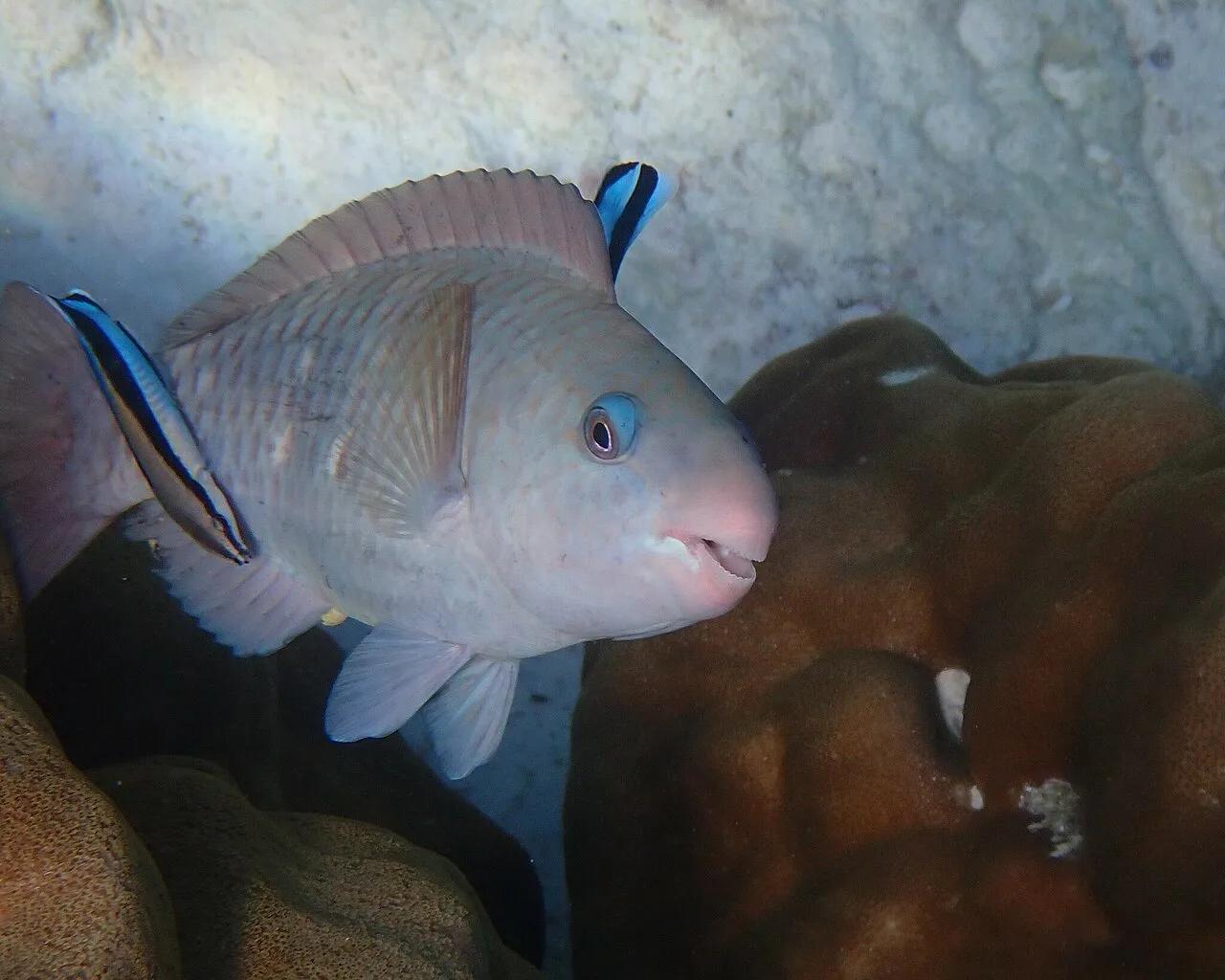
Featured image: no rights reserved, CC0, via Wikimedia Commons.
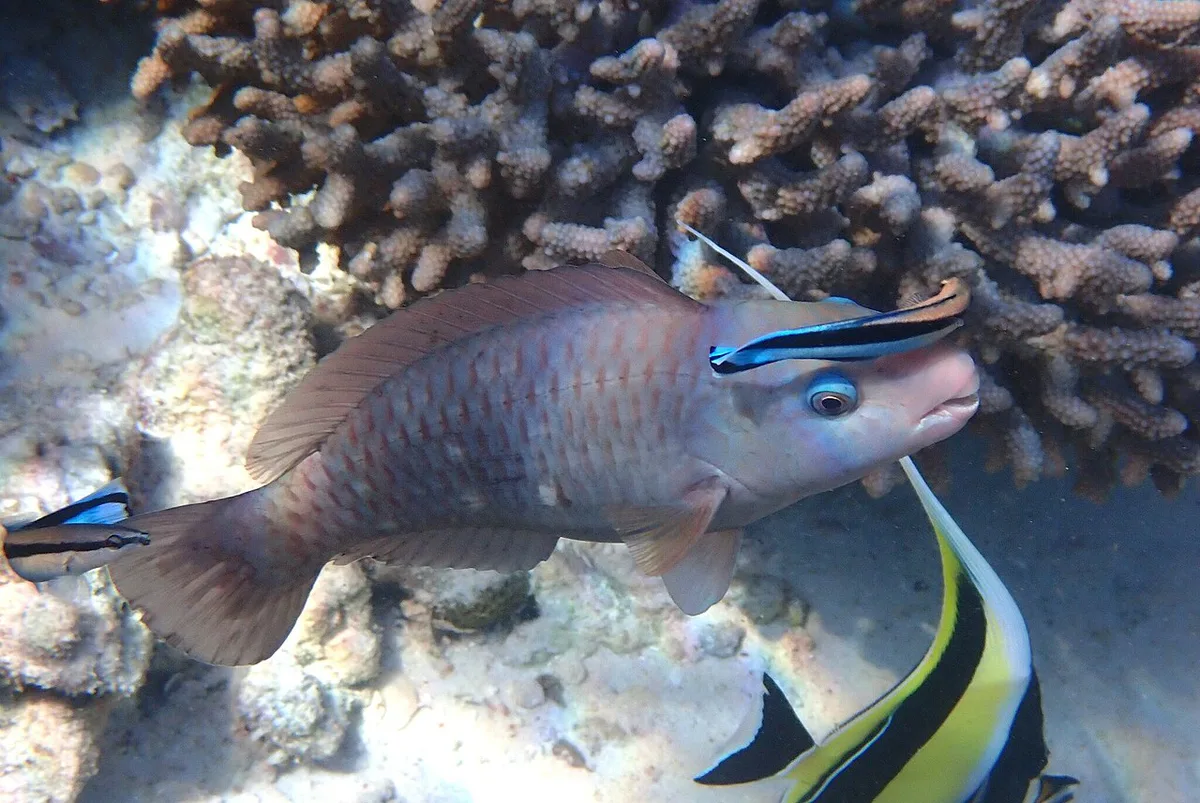
Parrotfish in Thailand: Quick Answer
Parrotfish are a regular sight on Thai coral reefs, and dive operators in Phuket have long described encounters as close to guaranteed. Snorkelers can meet them too, because many types graze in shallow water. Look for a deep, blunt-headed fish with large scales and a beak, usually chewing on rock or dead coral. This page is a spoke of our guide to Thai marine life, which covers the wider cast of reef animals. Sizes run from about 30 cm to over 1 m, so a fish that looks like a small one-footer and a fish the length of your arm can belong to the same group. Sightings of the giant bumphead species are far rarer than sightings of common small types.
Parrotfish Species and Types to Recognize in Thai Waters
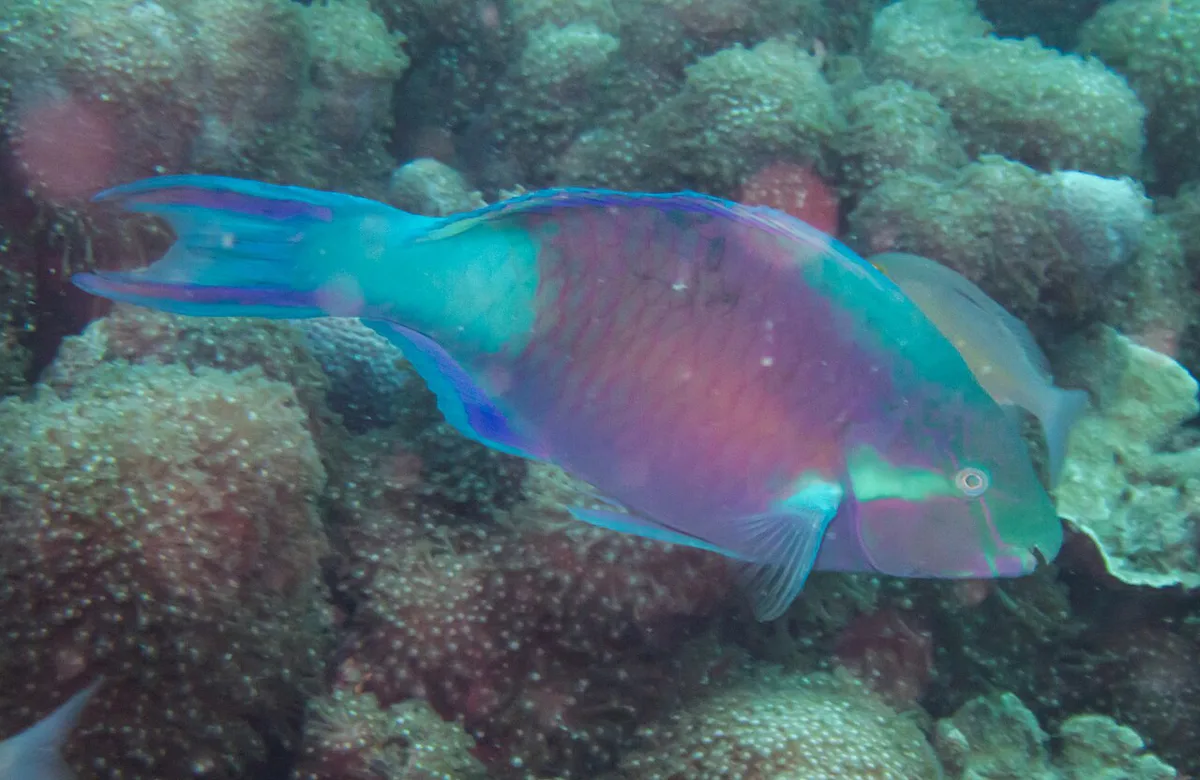
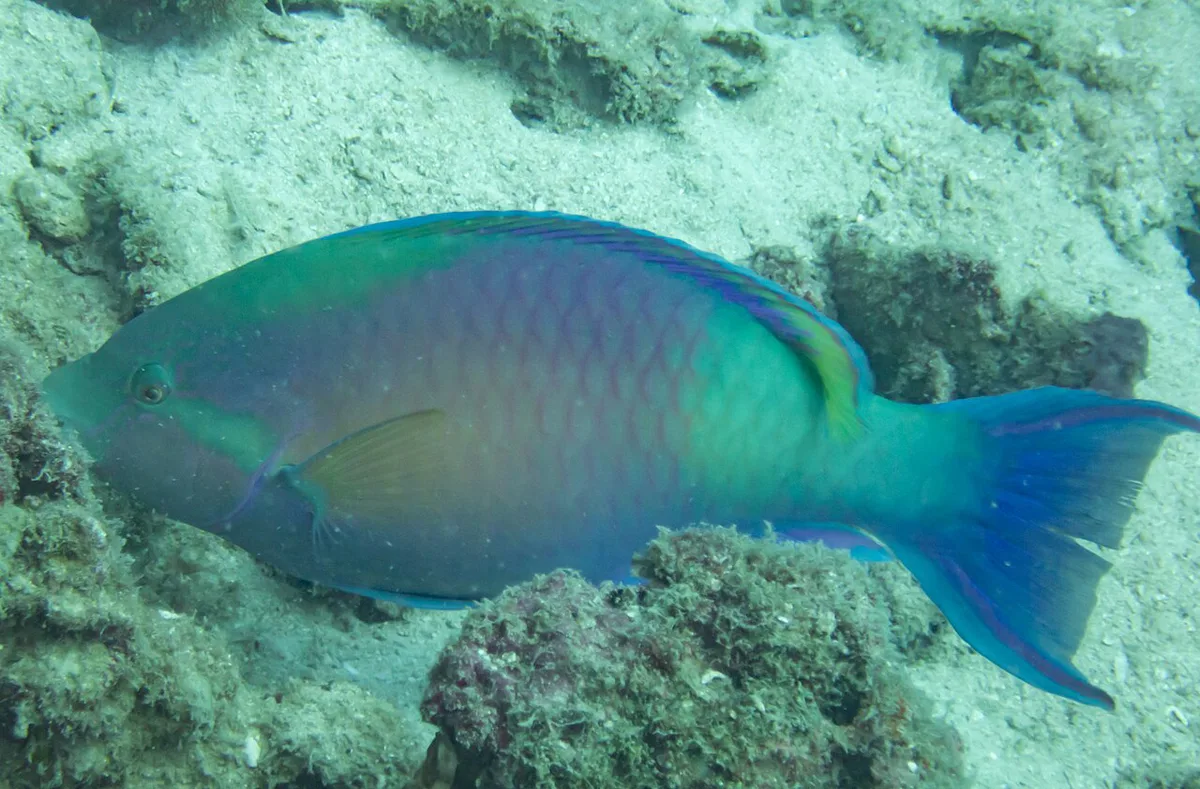
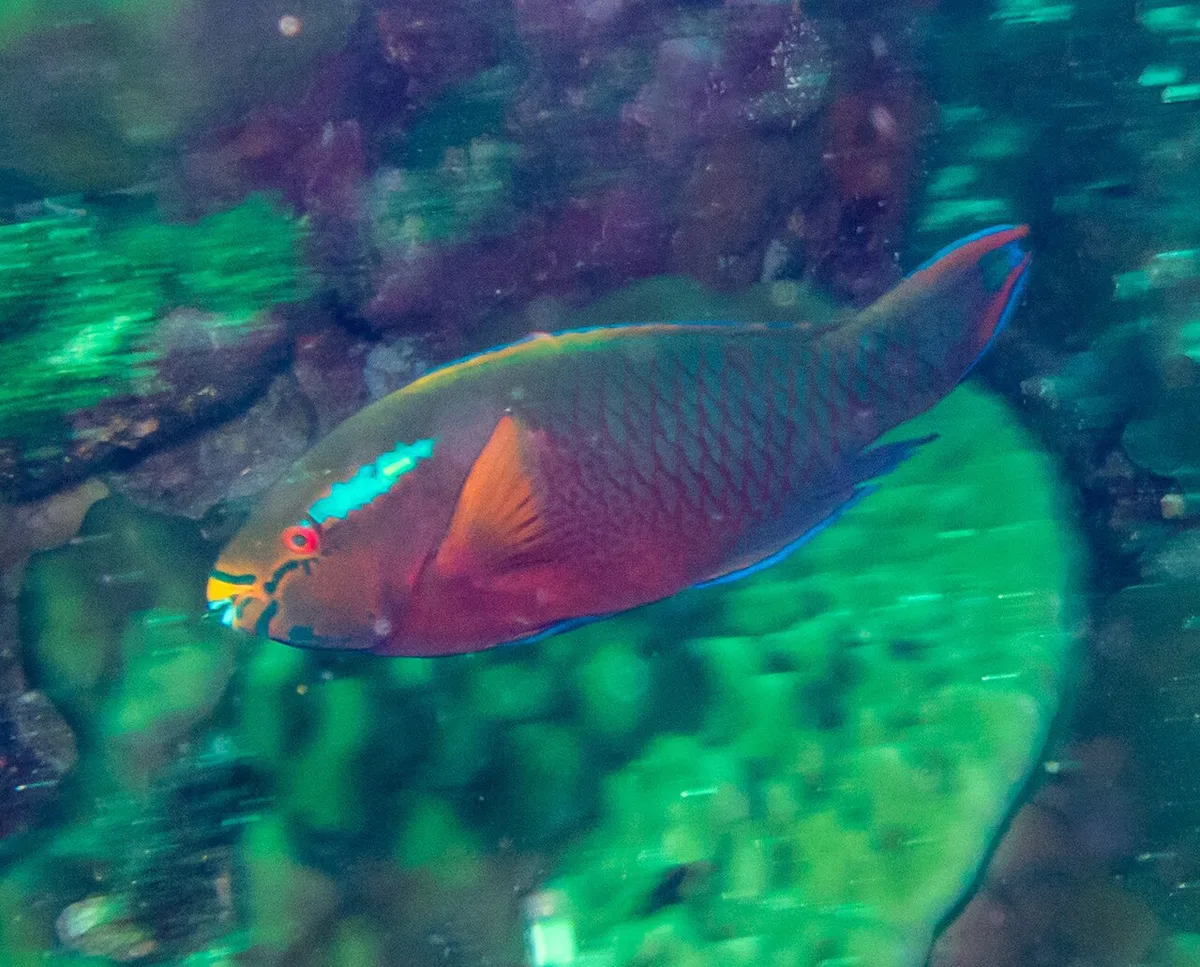
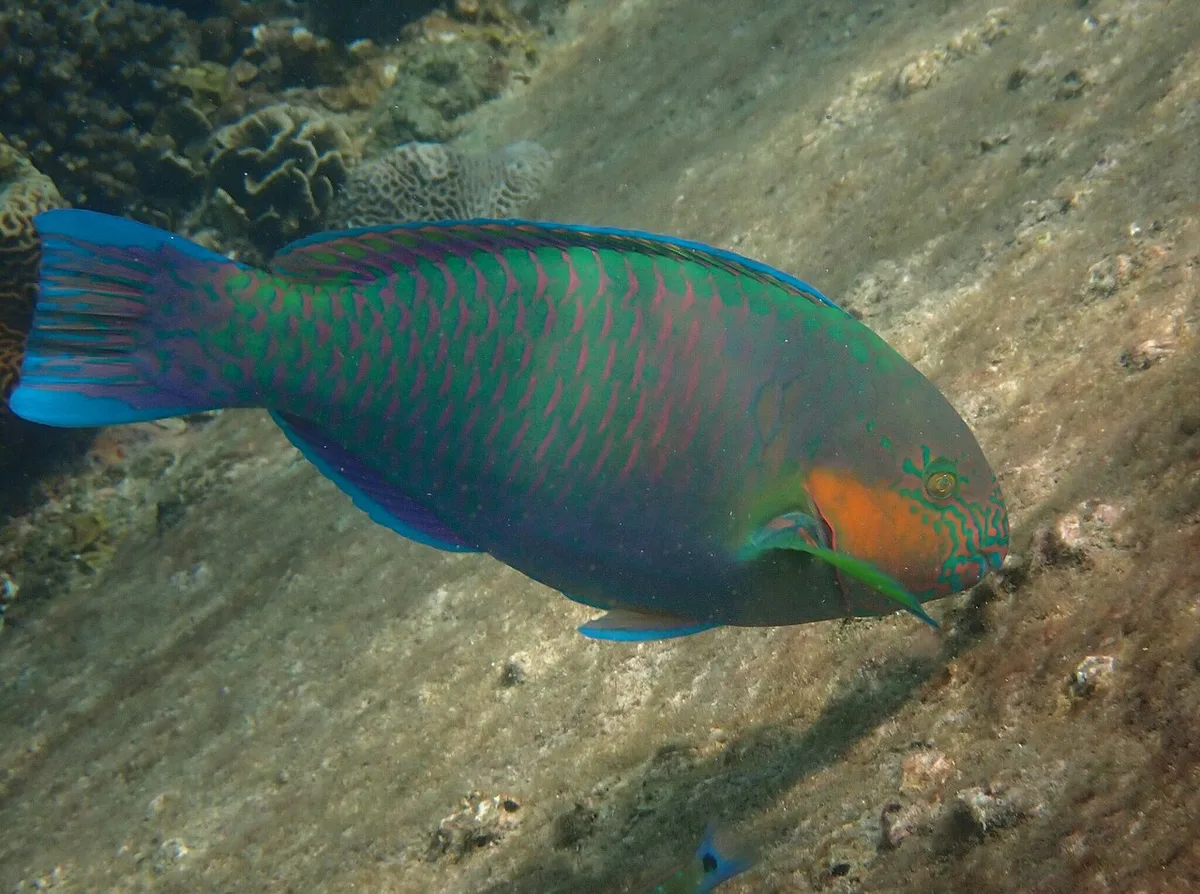
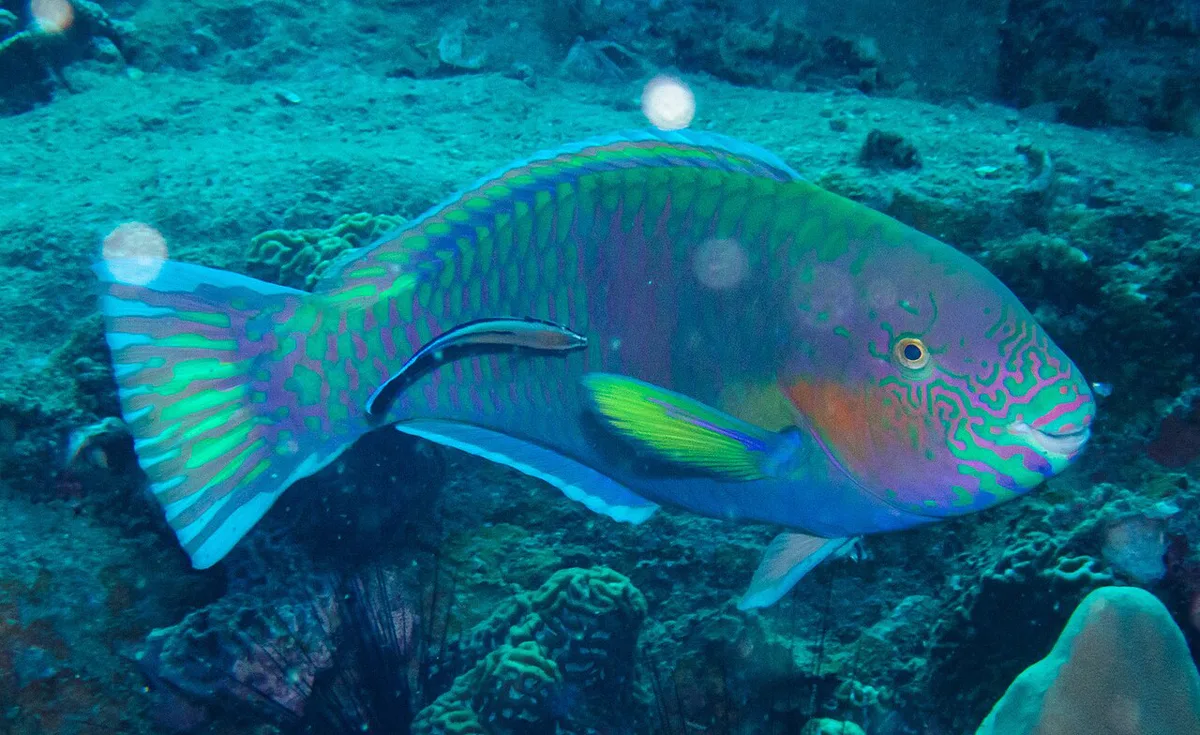
Sources count roughly 80 to 95 parrotfish species, depending on how the group is classified. Most reach 30 to 50 cm. A few pass 1 m, and the green humphead (bumphead) parrotfish reaches 1.3 m. Color is a poor guide, because males and females usually look different and juveniles differ again. Early scientists named more than 350 species from color forms alone, nearly four times the real number. Identify by feeding style and body shape first, then by color phase. Whether a given species lives at your dive site is a question for your guide, since local lists change by reef. Wikipedia's parrotfish page lists the genera and feeding groups behind the table below.
| Type | Typical size | What to look for | Where it feeds |
|---|---|---|---|
| Bumphead (green humphead) parrotfish, Bolbometopon muricatum | Up to 4.2 ft (130 cm) | Large forehead bump, heavy beak, often in groups | Crunches live and dead coral, excavating the reef |
| Excavators such as Chlorurus and Cetoscarus | Mid to large | Strong jaws that leave visible bite scars | Hard reef surfaces and coral rubble |
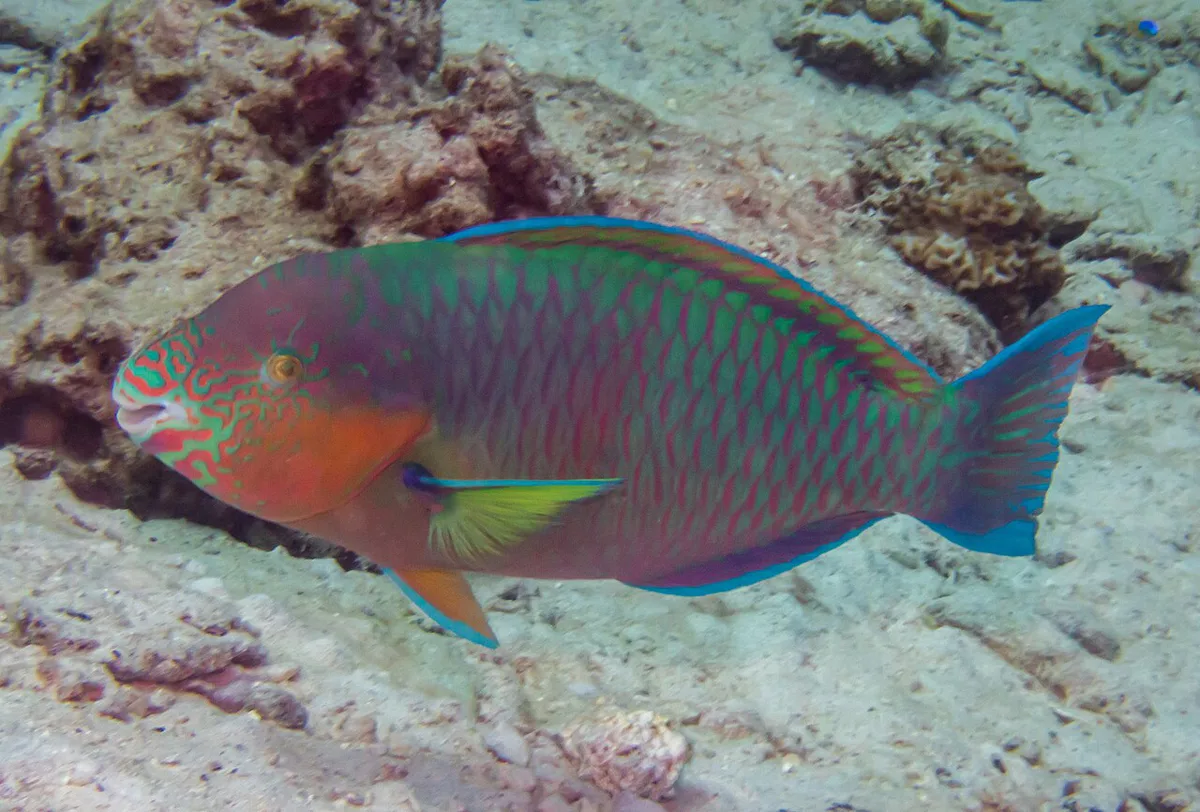
| Scrapers such as Scarus and Hipposcarus | Commonly 30 to 50 cm | Color phases that differ sharply by sex | Algae films on rock and dead coral |
| Browsers such as Calotomus and Leptoscarus | Smaller | Often over seagrass rather than reef | Seagrass, macroalgae and their epiphytes |
| Marbled parrotfish, Leptoscarus vaigiensis | Smaller | Reported as the one species that does not change sex | Seagrass beds and reef edges |
Where to See Parrotfish: Andaman Sea vs Gulf of Thailand
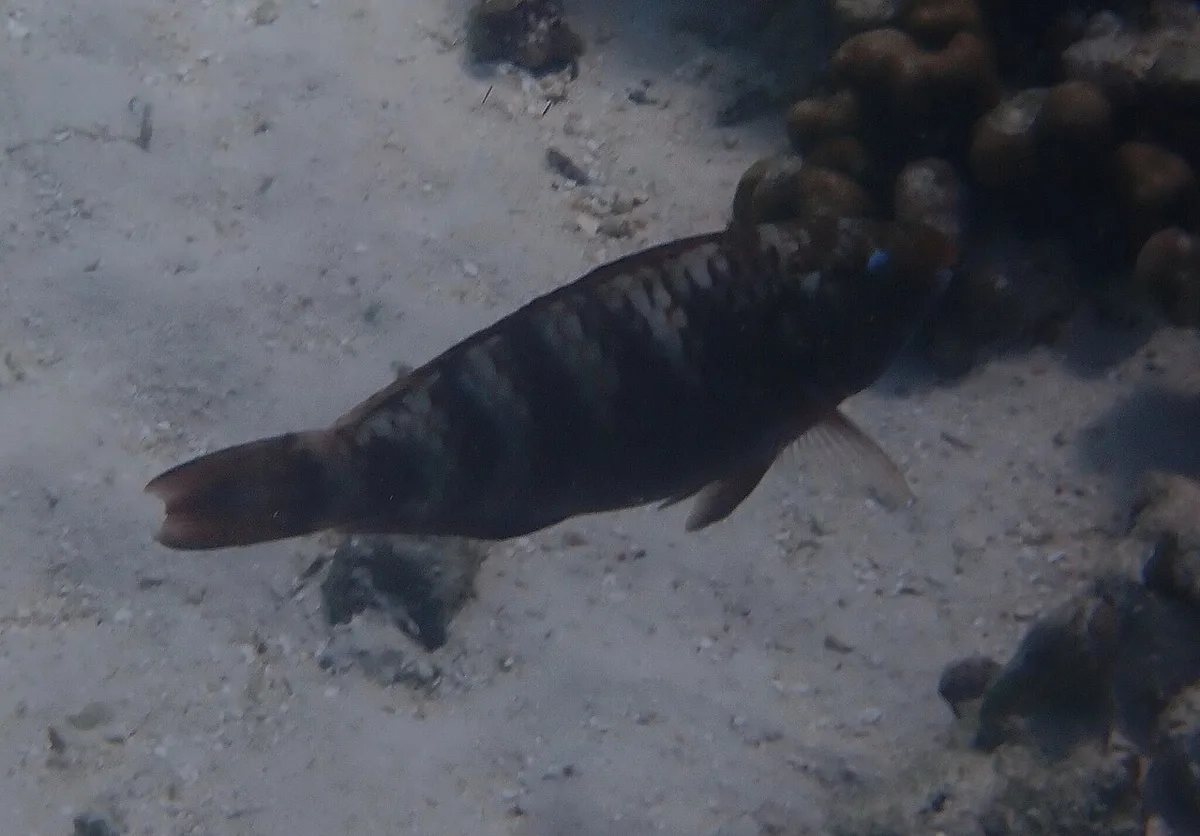
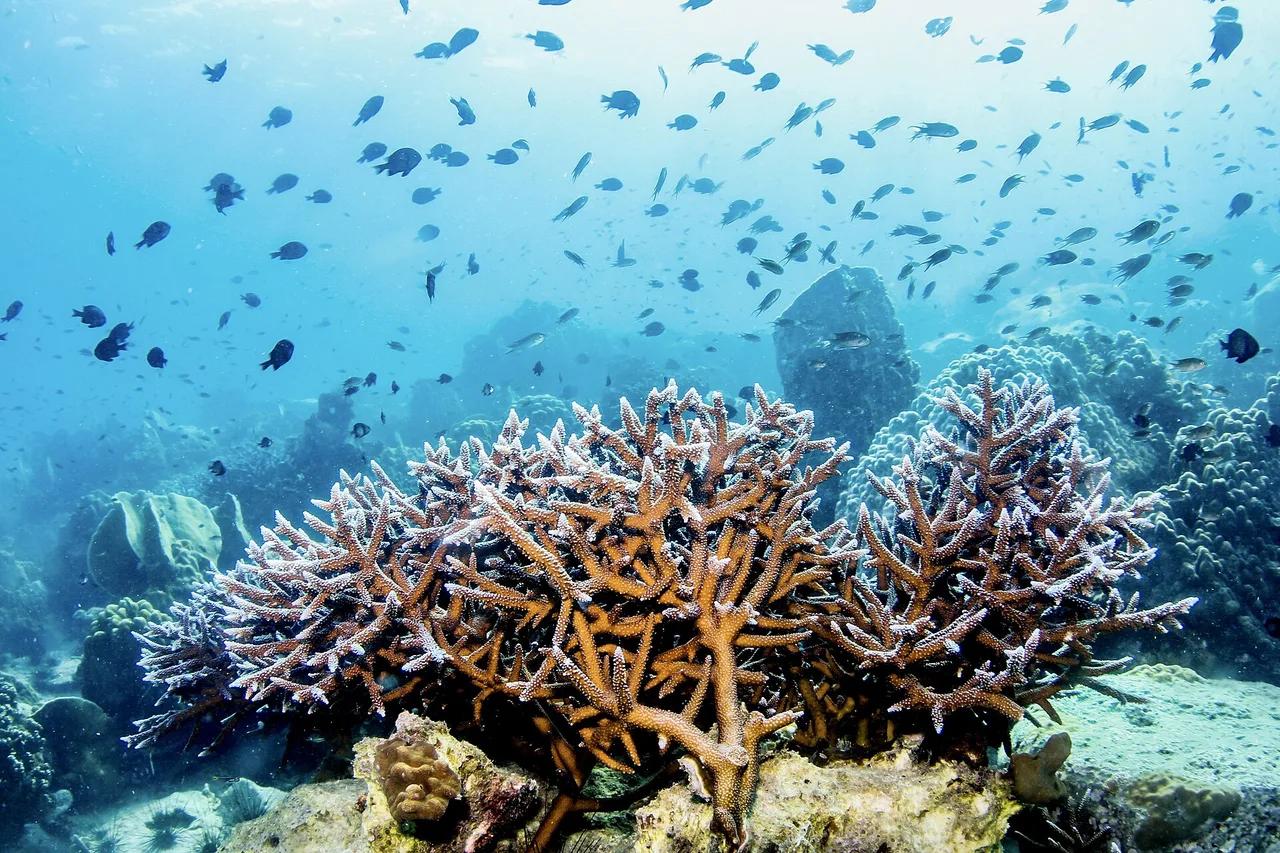
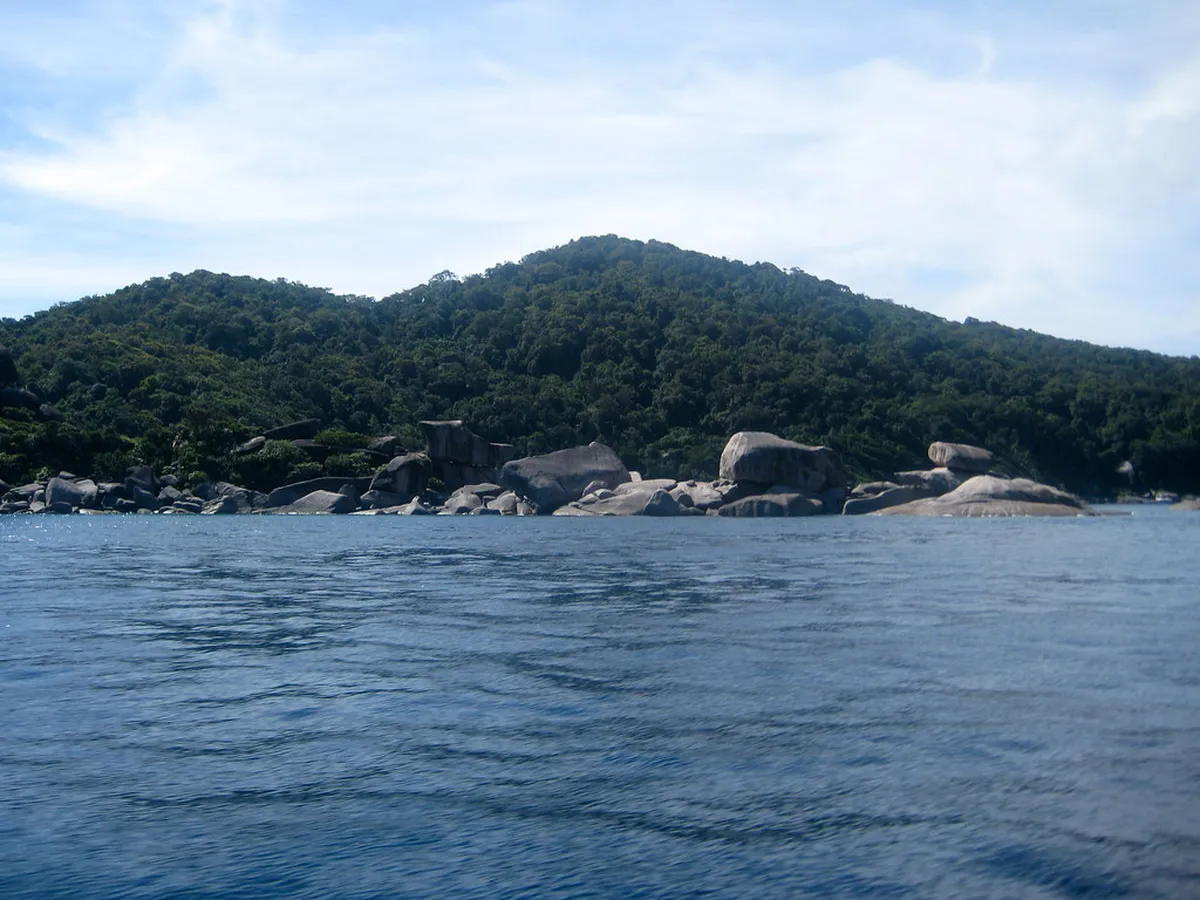
Phuket and the Similan Islands, both in the Andaman Sea, are the best-documented places to find parrotfish. Phuket dive centers have written about parrotfish on local reefs for years, and Similan liveaboards cover reefs well away from shore. The Gulf of Thailand also has coral reefs, and parrotfish are reef grazers wherever coral and algae are present. Ask Gulf operators which sites they see them on, since no single list covers every reef. Pick a destination by sea conditions and access first, because parrotfish turn up on almost any healthy reef.
| Area | Snorkel or dive | Access | Trade-off |
|---|---|---|---|
| Phuket (Andaman Sea) | Both | Day boats and dive centers | Most choice and easy logistics, but busy reefs |
| Similan Islands (Andaman Sea) | Mostly diving, some snorkeling | Liveaboards and park boats | Long travel time, but quieter reefs |
| Gulf of Thailand reefs | Both | Island boats and local dive shops | Check which sites hold parrotfish before booking |
Best Time to See Parrotfish and Plan Your Trip
Parrotfish live on reefs all year. Reports say they spawn year-round and more heavily in summer months, which matters little for casual viewing. Your real constraint is sea conditions and park access. The Andaman Sea has a monsoon season, and national park islands such as the Similans open and close seasonally. Get current opening windows and rules from the Department of National Parks. Prices and hours should be checked November 2026 before booking, since boat schedules change by operator. Good visibility makes it easier to spot the bite scars and color phases that identify each type. Aim for calm mornings, when parrotfish are busiest grazing.
Snorkel, Day Trip or Liveaboard? How to Choose
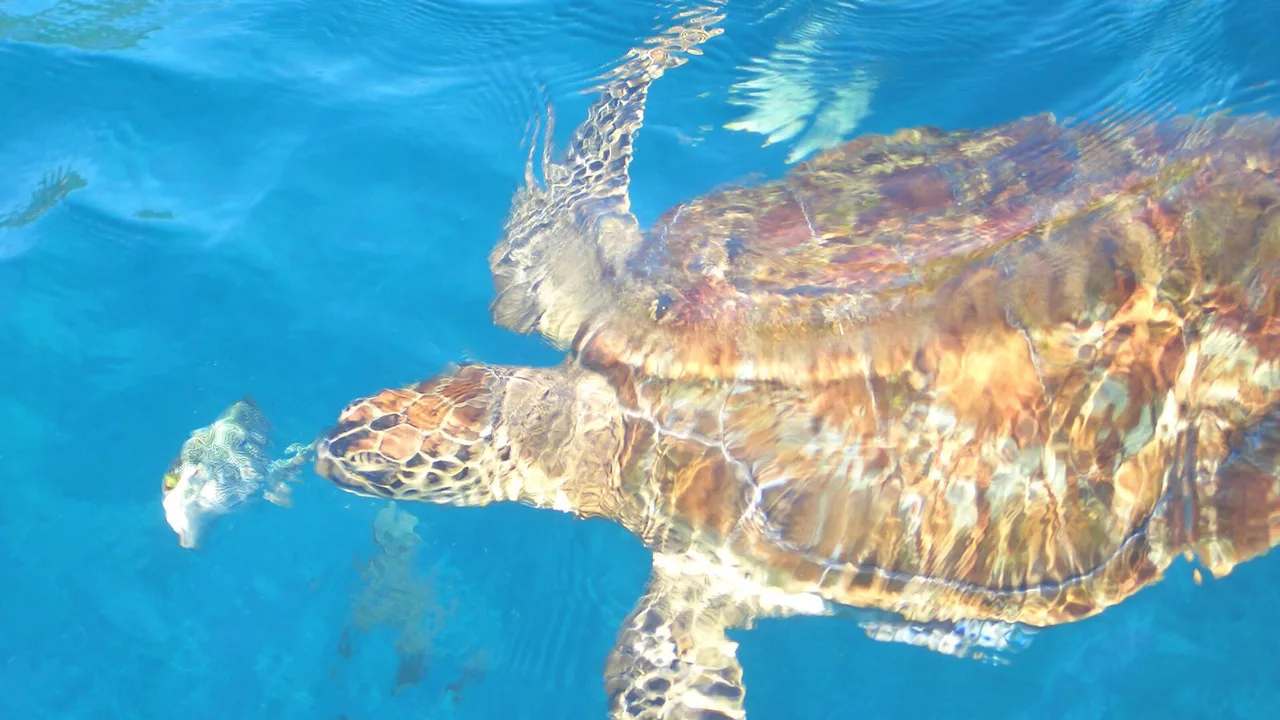
Pick the format by time and how much of the reef you want to see. Snorkelers see small and mid-size scrapers in shallow water, and a house reef costs the least in time and money. Day trips from Phuket give boat access to deeper sites at a medium price level. Liveaboards cost the most and take several days, but they reach remote Similan reefs where larger fish are likelier. Pair a trip with other sightings: the same Andaman dive trips often turn up manta rays and sea turtles. Costs change by season and operator, so compare current quotes.
Sizes run from about 30 cm to over 1 m, so a snorkel can show you the small end of that range from the surface.
- Snorkel from the beach: lowest cost, shallow-water scrapers only.
- Day boat: medium cost, one to three sites in a day.
- Liveaboard: highest cost, multi-day, remote reefs and night dives.
Parrotfish Behavior Worth Watching
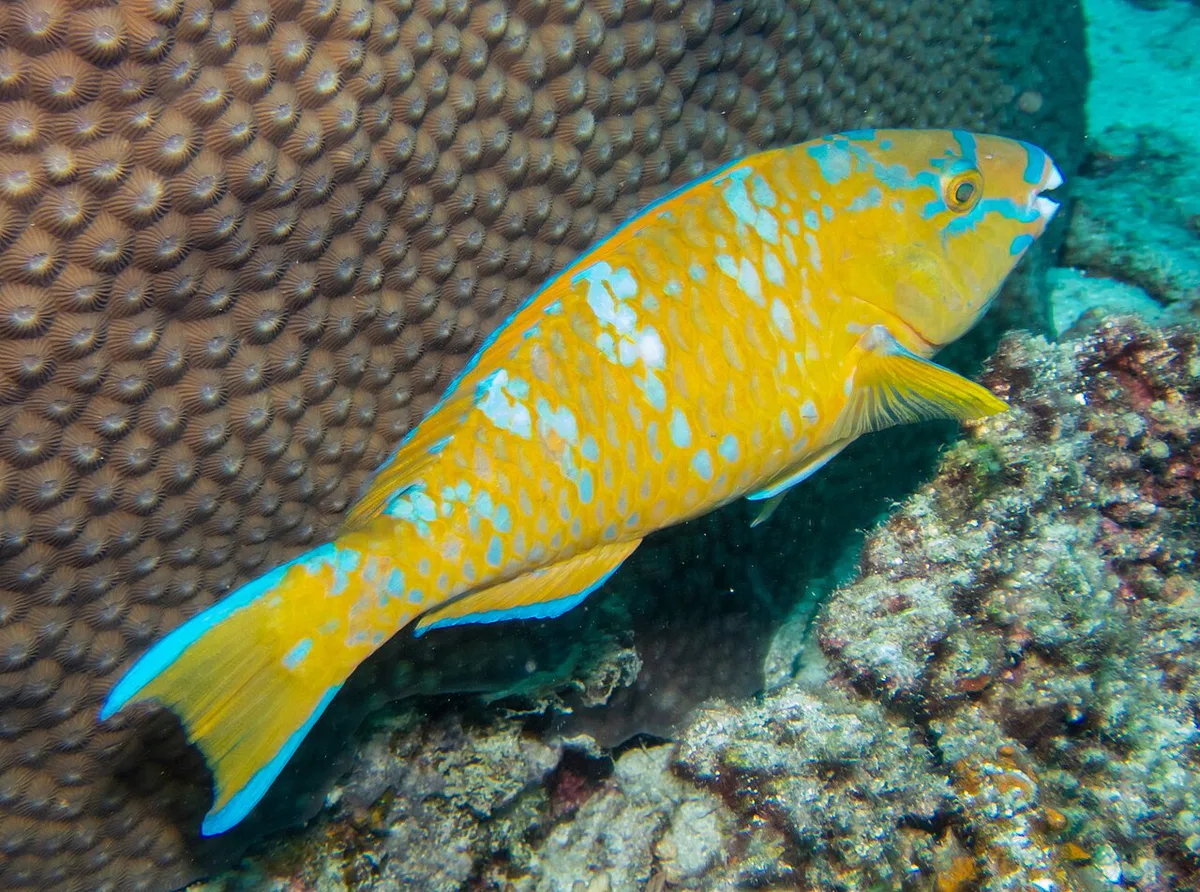
Watch for the bite-and-scrape routine. A feeding fish grazes rock or dead coral, then drifts on with a trail of fine white sand. Bite scars on coral mark where an excavator has been. Males defend harems of females, and a school of one size often feeds together. Most species are sequential hermaphrodites that start as females, usually the dull red, brown or gray initial phase, and become males in the vivid green or blue terminal phase. Parrotfish can live to 40 years, and bumpheads do not mature until 5 to 8 years old. After dark, some species secrete a mucus cocoon from a gland near the mouth. It likely masks their scent and gives early warning of a predator such as a moray eel. A fish can make only one cocoon a night. A light or a touch can break it and force the fish to flee in the dark.
Why Parrotfish Matter for Thai Reefs
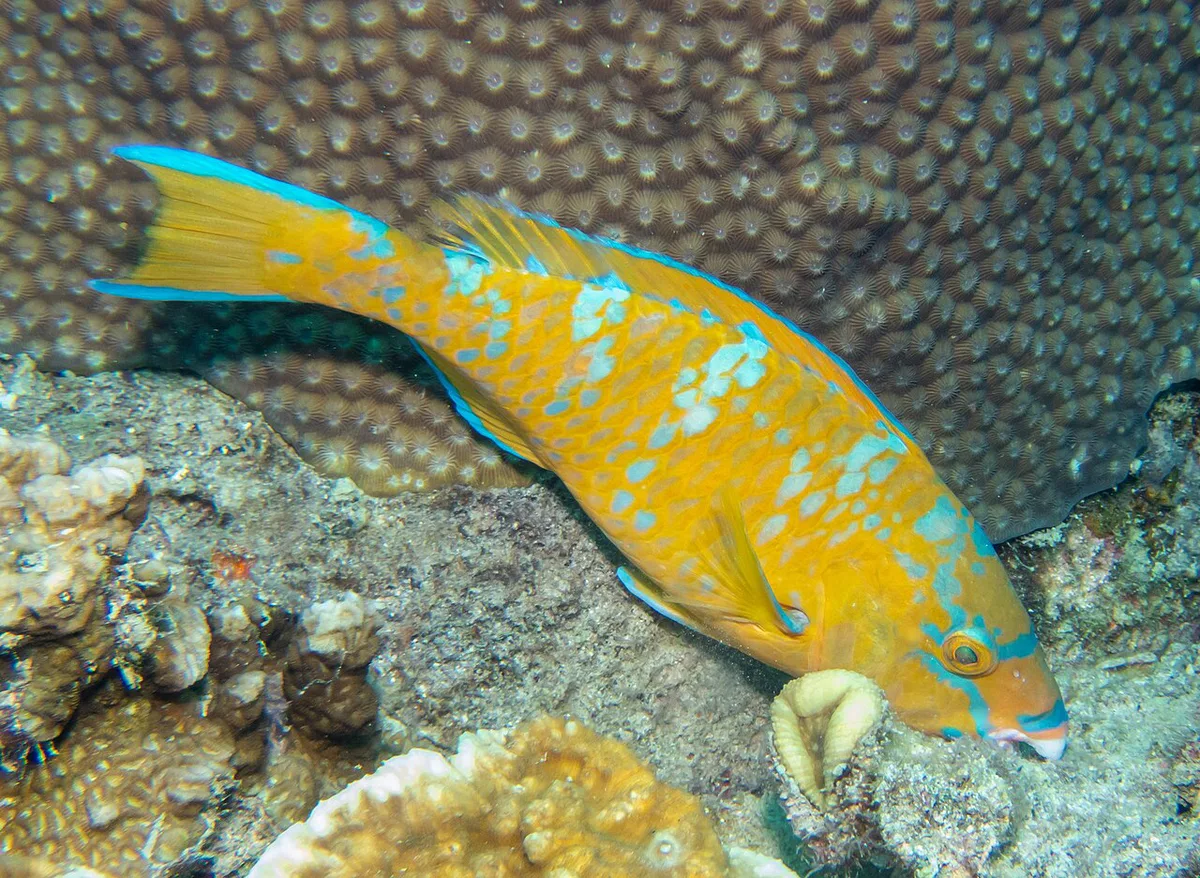
Parrotfish keep algae from overgrowing reef-building coral, which gives young coral room to settle. Their grinding teeth turn rock into sand. Estimates differ: a Phuket dive operator cites about 90 kg a year per humphead, while NOAA scientists report that a single bumphead can remove more than 5 tons of calcium carbonate from the reef each year. NOAA's bumphead parrotfish survey at Wake Atoll explains why these fish matter for reef shape. Treat the numbers as a range, not a single fact. Parrotfish poop is one source of sand, not the only one, so do not credit it with every beach. Bumpheads are also vulnerable. They aggregate in shallow water and sleep at night, which made whole schools easy to net or spear after scuba arrived in the 1960s and 1970s. Check the current conservation status of each species on the IUCN Red List. The same reefs host giant clams and clownfish.
Fish that can live to 40 years keep grazing rock for decades, so their role on a reef is a long-term one.
Responsible Viewing: Do's and Don'ts
Parrotfish are harmless to people, but the reef around them is fragile. Keep fins off the coral and keep your distance from grazing fish. Reef-walking and careless kicking can also mean stepping on sea urchins or, worse, a camouflaged stonefish. Look at the list below for the habits that matter most. On night dives, treat a sleeping parrotfish like a closed door.
- Do hover above the reef and let fish graze undisturbed.
- Do keep torch beams off sleeping fish and never touch a cocoon.
- Do not feed, chase or corner parrotfish.
- Do not stand on or break coral to get a closer look.
- Do ask your dive operator about park rules and sunscreen policies before you go.
Other Fish Sharing the Parrotfish Reef
A reef busy with parrotfish usually holds other grazers and predators. Scan the open water for a barracuda and the shaded ledges for a lionfish. Look over the sand edge for a batfish. Near rubble, Titan Triggerfish in Thailand: Where to See Them, Stay Safe guard nests aggressively, so give them space.
Frequently Asked Questions
Is parrotfish tasty?
Parrotfish meat is a delicacy in many parts of the world. In Polynesia it was once served raw as royal food. Large, long-lived species are vulnerable to overfishing, so ask about local rules before ordering.
Why is it called a parrotfish?
The name comes from the teeth. Numerous teeth fuse into a tight mosaic that forms a parrot-like beak. Fish use it to rasp algae from coral and rock.
Notes for your next dive trip
Optional updates to our Thai diving guides.
You might also like

Continue reading
More guides you'll find useful