Barracuda in Thailand: Where to See Them and How Safe
Where to see barracuda in Thailand, which types to expect, how dangerous they are, and the Phuket beach club name mix-up.
On this page
Last updated November 2026. Barracuda thailand searches split two ways: the fish, and a beach club in Patong. This guide covers the fish, where divers report schools, and how to behave around them, as part of our Thailand marine life guide.
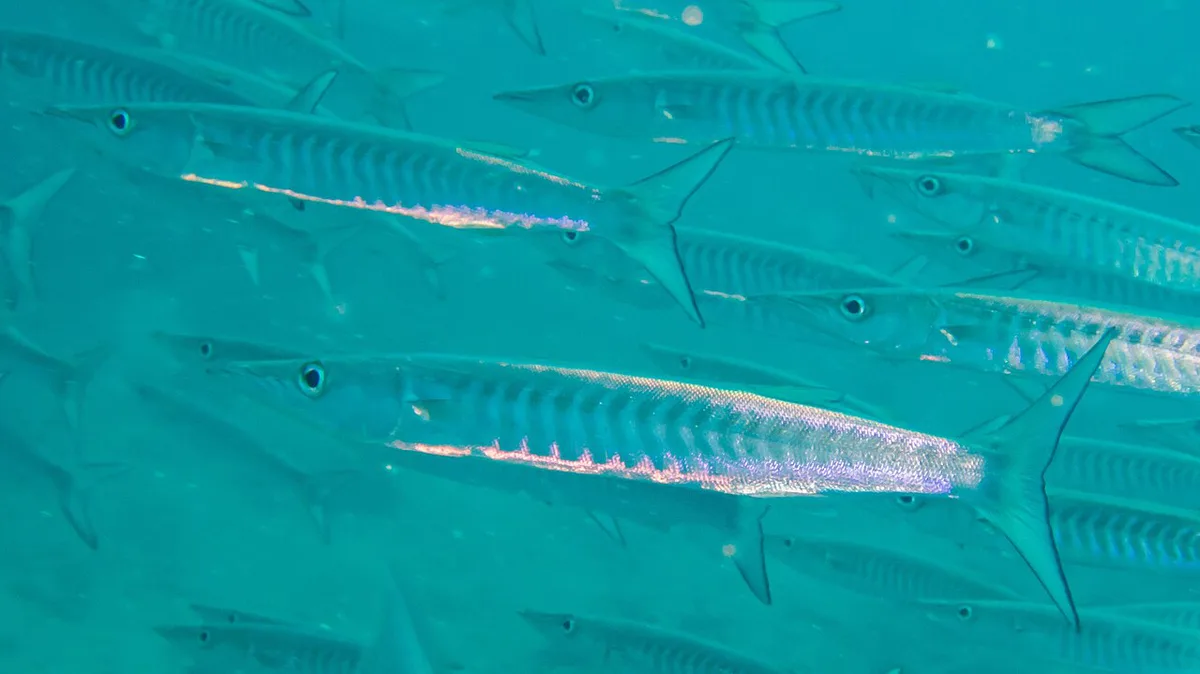
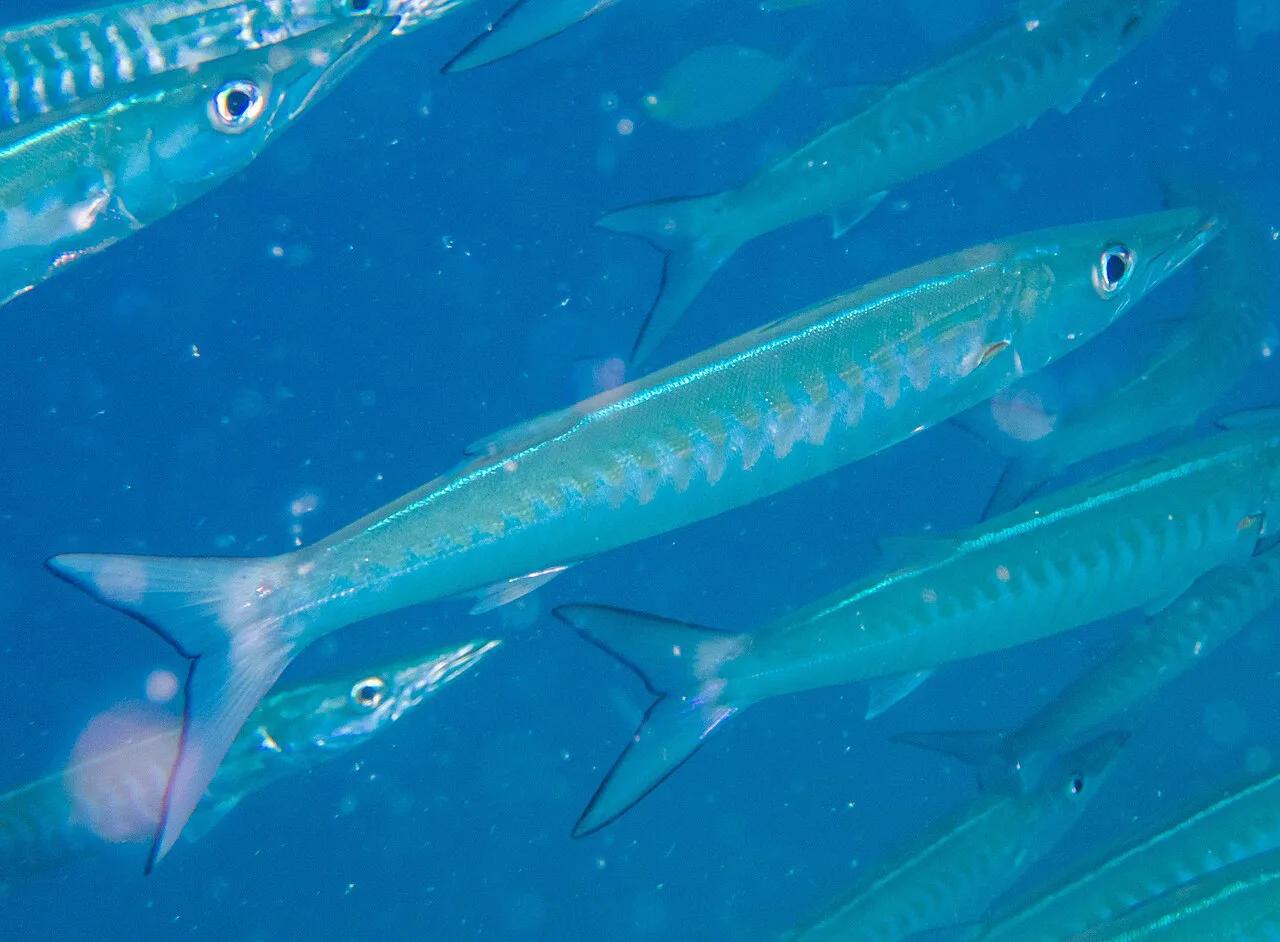
Featured image: portioid, CC BY-SA 4.0, via Wikimedia Commons.
Barracuda in Thailand: the short answer
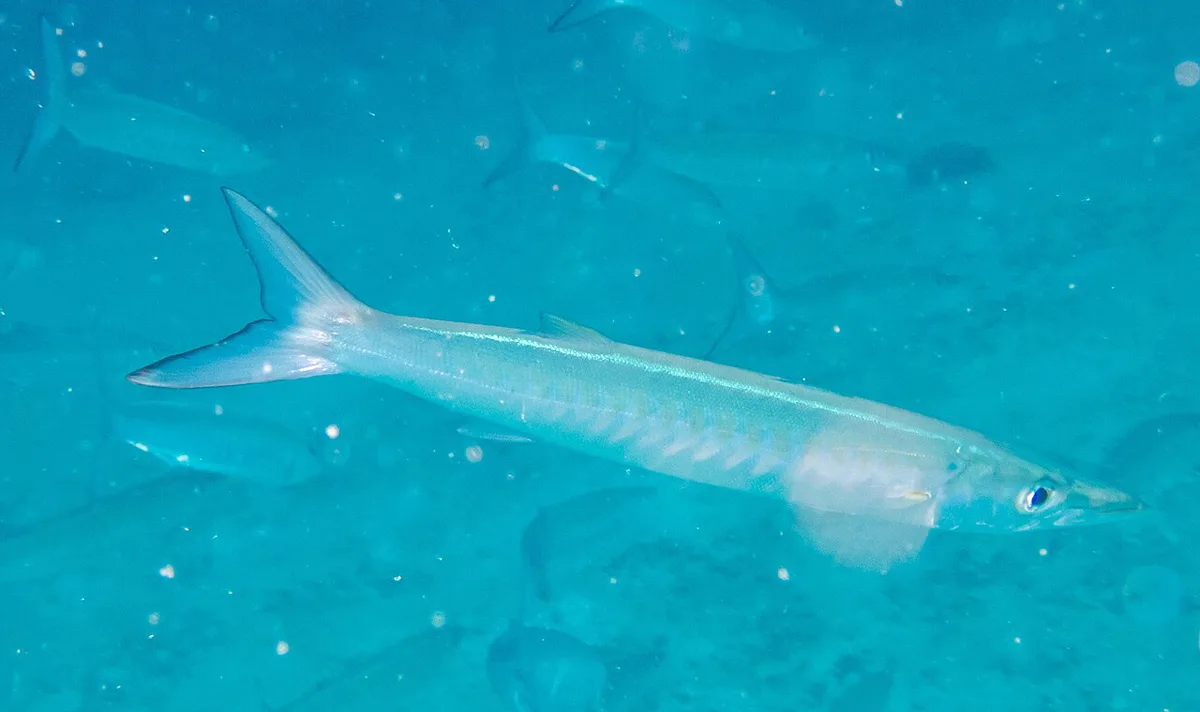
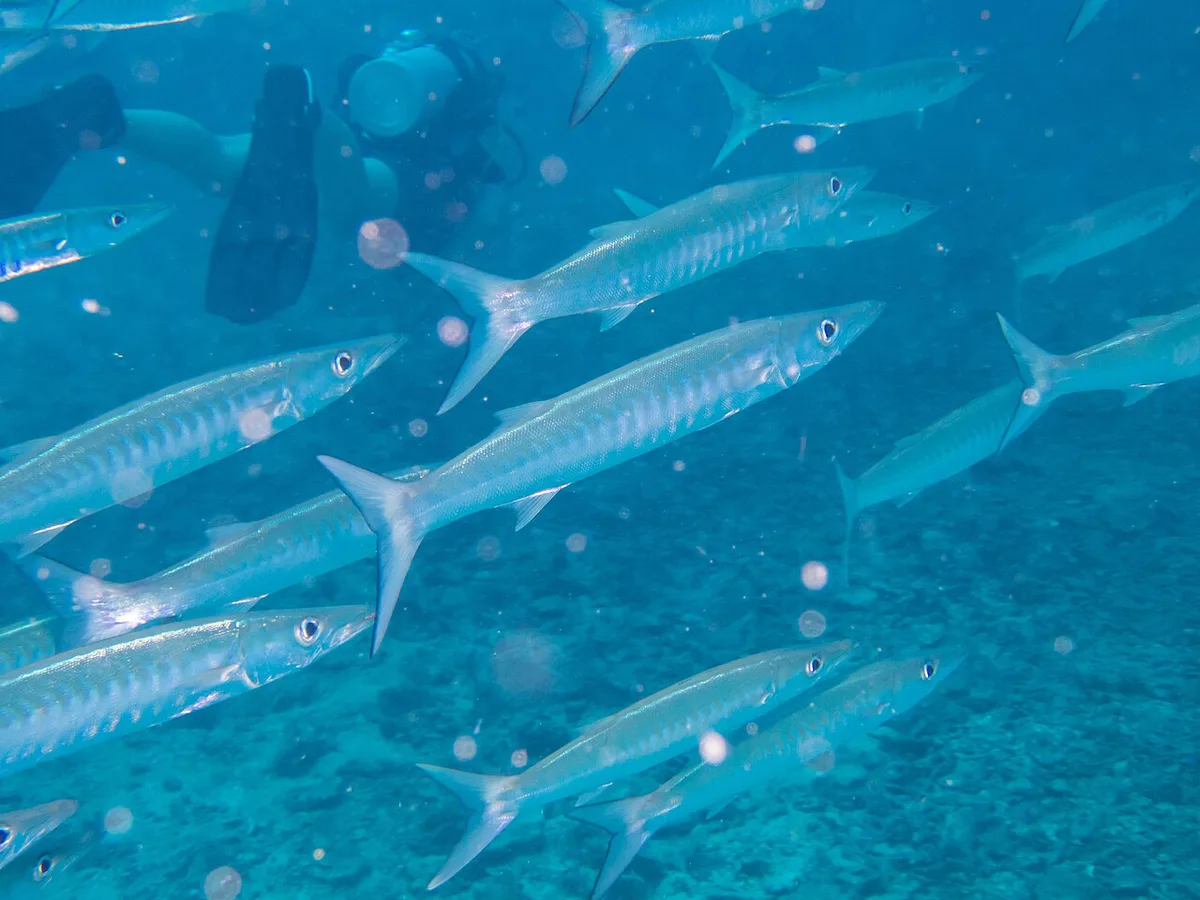
Barracuda are long, silver, torpedo-shaped predators with a lower jaw that juts out and sharp teeth. Divers meet them around pinnacles, wrecks and reefs in both the Andaman Sea and the Gulf of Thailand. Healthy fish are curious, not aggressive, and incidents with divers are rare when you keep calm and keep your hands to yourself. Looking for Barra Cuda Beach Club at 43 Thaweewong Road, Patong, Phuket? It is unrelated to the fish. Its own site lists daily hours of 12 PM to 12 AM and a minimum age of 20.
Which barracuda you can see in Thai waters
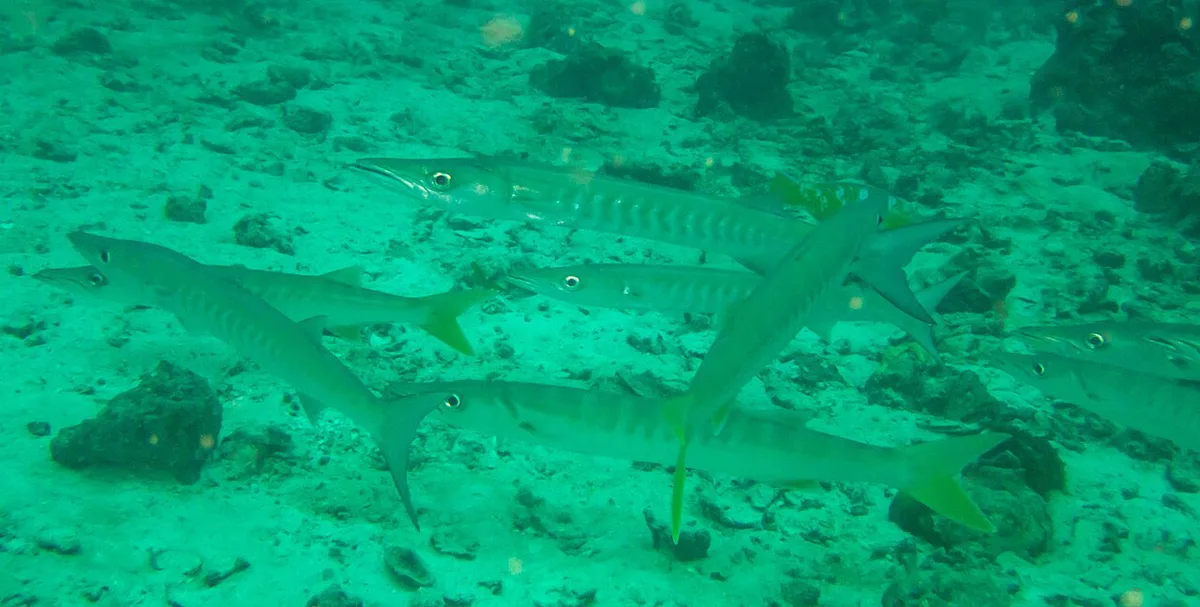
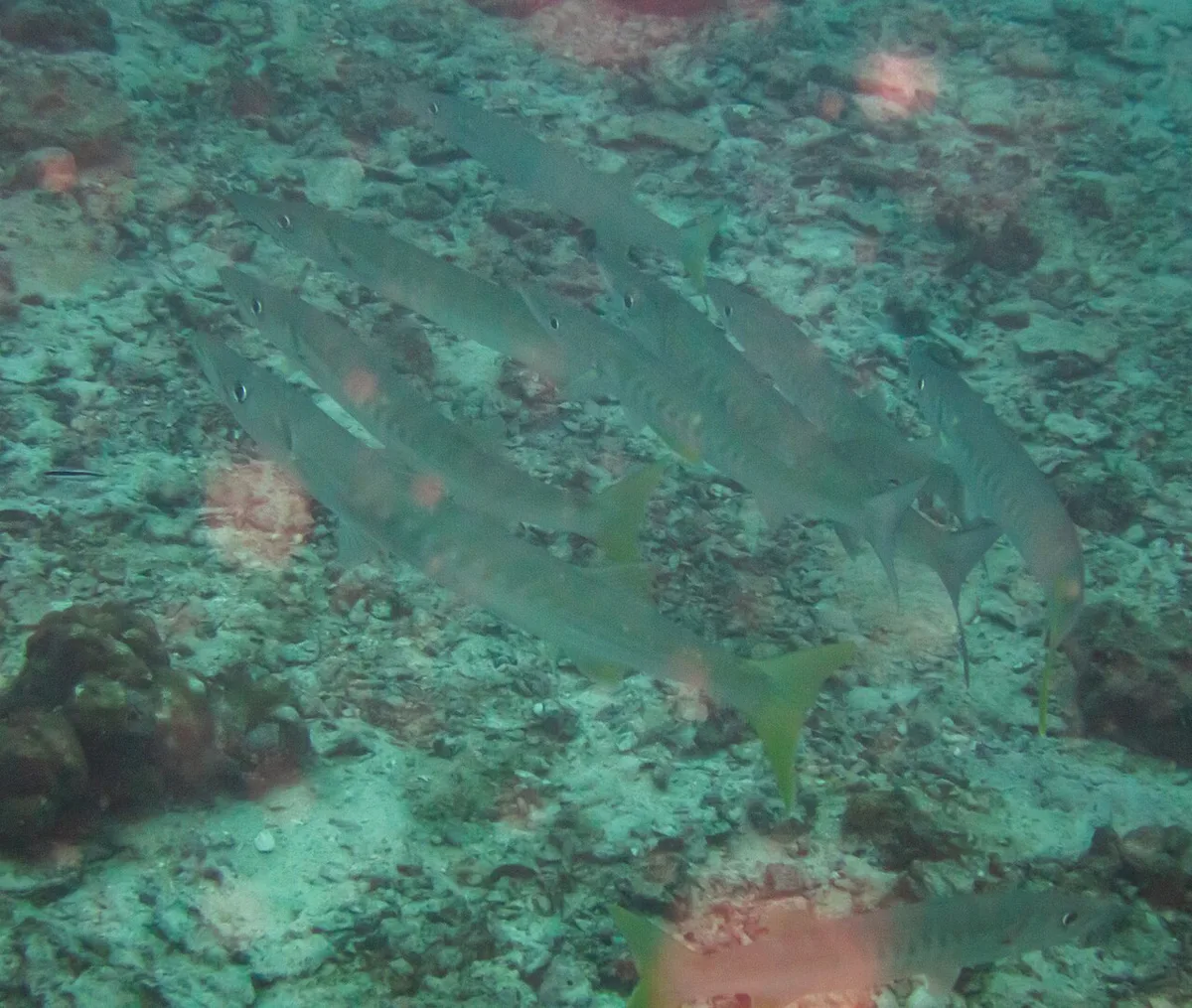
Two types come up most in dive reports. Schooling chevron barracuda form tight, slow-turning columns, often hanging in current off a reef edge. Great barracuda are usually solitary, longer and more heavily built, and they sit motionless near a wreck or pinnacle. Species lists and size ranges are published by the IUCN Red List, which is worth checking before you name a fish you saw. Tell the two apart by behavior first. A glittering wall of dozens is almost certainly a school, while a lone fish with a hard stare is a great barracuda.
Where and when to see barracuda
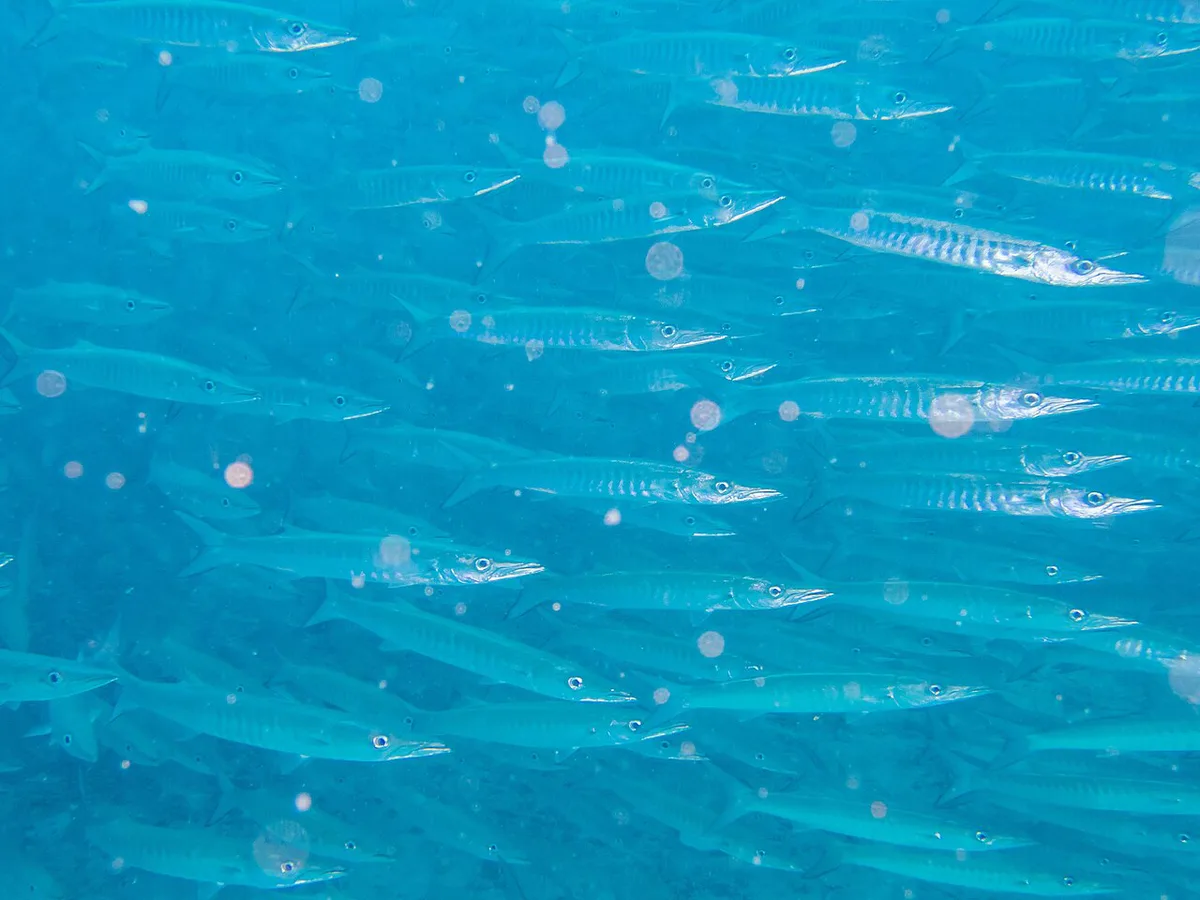
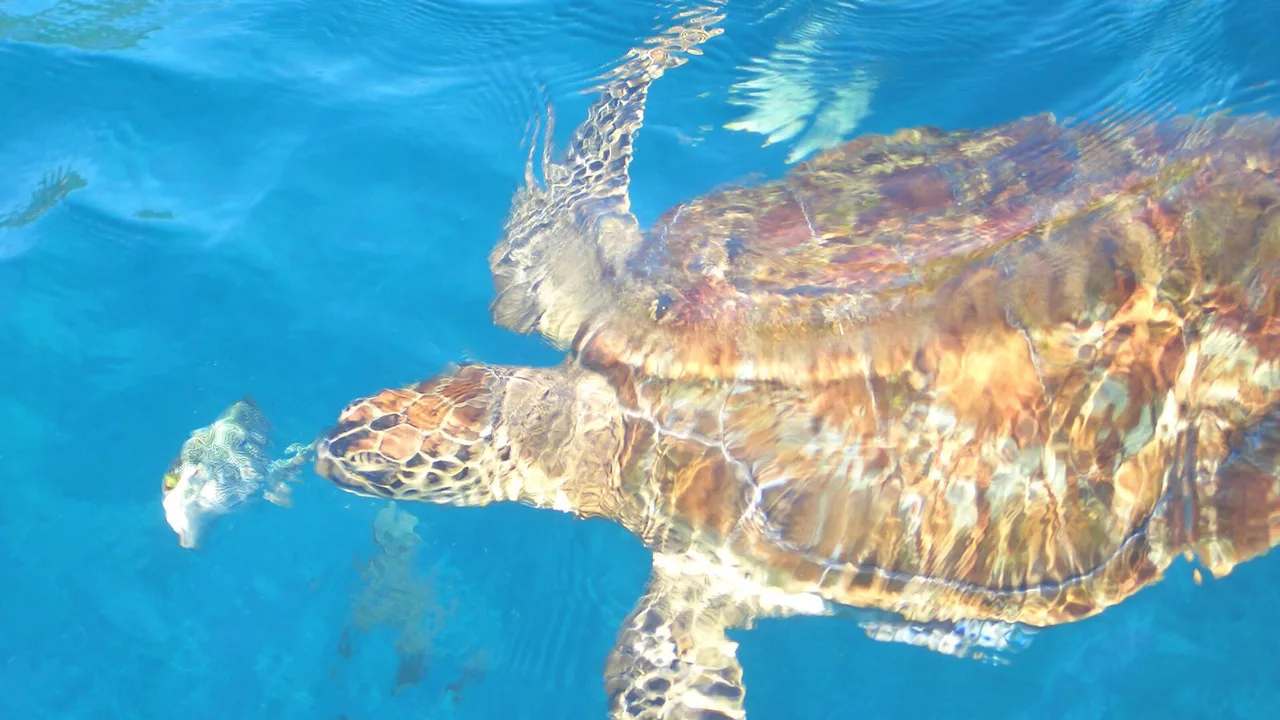
Divers report schooling barracuda at Koh Tao's Chumphon Pinnacle in the Gulf of Thailand. Richelieu Rock is another pinnacle where reports of barracuda come up regularly. Pinnacles work because current brings plankton and baitfish, and predators follow. Visibility and sea state change by season and by coast, so ask your operator which side of the country is diving best on your dates. Sightings are never guaranteed. You may also pass manta rays or sea turtles on the same dives.
| Andaman Sea | Gulf of Thailand | |
|---|---|---|
| Reported spots | Richelieu Rock | Chumphon Pinnacle, Koh Tao |
| Typical sighting | Varies by site and day | Schools near the pinnacle |
| Best season | Varies; ask your operator | Varies; ask your operator |
| Access | Day trip or liveaboard | Day trip from Koh Tao |
Diving versus snorkeling for barracuda
Most good encounters happen on dives, because pinnacles and wrecks sit offshore and below surface chop. Snorkelers can still spot barracuda on shallow reef edges, but sightings are less reliable. Day trips cost less and suit a single site. Liveaboards cost more but reach distant pinnacles with fewer boats around. Fares differ by operator and season, so compare written quotes before booking. Beginners can see barracuda at shallower depths with a guide, since the fish often hover in the upper water column.
Are barracuda dangerous?
Barracuda are fast, toothy hunters, but they rarely target people. Most reported bites involve spearfishing, bait, or murky water where a flash of metal is mistaken for prey. Stay calm, avoid shiny dangling gear, and never grab or corner one. Other animals pose more practical risk. Compare the sting of a lionfish or the camouflage of a stonefish. Check moray eels in crevices before reaching in, and give a sea snake room. For any injury, follow guidance from Divers Alert Network and seek medical care.
- Barracuda: bites rare, usually provoked or bait-related
- Lionfish and stonefish: venomous spines if touched
- Moray eel: bites when hands enter its hole
- Sea snake: venomous but typically avoids divers
Ciguatera: barracuda on the plate
Large reef predators, barracuda included, can carry ciguatera toxin from the reef food chain. Cooking does not remove it. Symptoms can include nausea and tingling, and sufferers should see a doctor. If a restaurant offers big barracuda, choose another fish. For fishing and marine-protection rules, see the Department of Marine and Coastal Resources.
Responsible encounter checklist
Good etiquette keeps barracuda relaxed and your dive safer. Park rules differ by marine area, so read the briefing and the national park notices from the Department of National Parks. Mistakes to avoid:
- Chasing or circling a school to get a closer photo
- Feeding fish, which changes behavior around divers
- Wearing shiny jewelry or dangling bright gear
- Blocking a lone fish's exit from a wreck or pinnacle
- Touching or grabbing any marine animal
- Diving beyond your training to reach a pinnacle
Frequently Asked Questions
Are there BarraCuda in Thailand?
Yes, barracuda fish live in Thai waters. Divers report schools at pinnacles such as Koh Tao's Chumphon Pinnacle. If you mean the venue, Barra Cuda Beach Club is in Patong, Phuket.
Is there an entrance fee for Barra Cuda Beach Club?
The club's own FAQ says there is an entrance fee, and some areas need a food and beverage credit. Guests must be 20 or older. Check its booking page for current amounts.
Notes for your next dive trip
Optional updates to our Thai diving guides.
You might also like

Continue reading
More guides you'll find useful