Manta Rays in Thailand: Where, When and How to See Them
Where to see manta rays in Thailand: Andaman dive sites, best months, who it suits, liveaboard vs day trip, and honest odds.
On this page
Last updated November 2026. Manta rays in Thailand are a seasonal, not guaranteed, sighting, and most reports come from offshore Andaman dive sites. Snorkelers and beach visitors have a much lower chance than certified divers on a Similan or Surin trip. Here is where mantas turn up, when to go, and what to do if none appear.
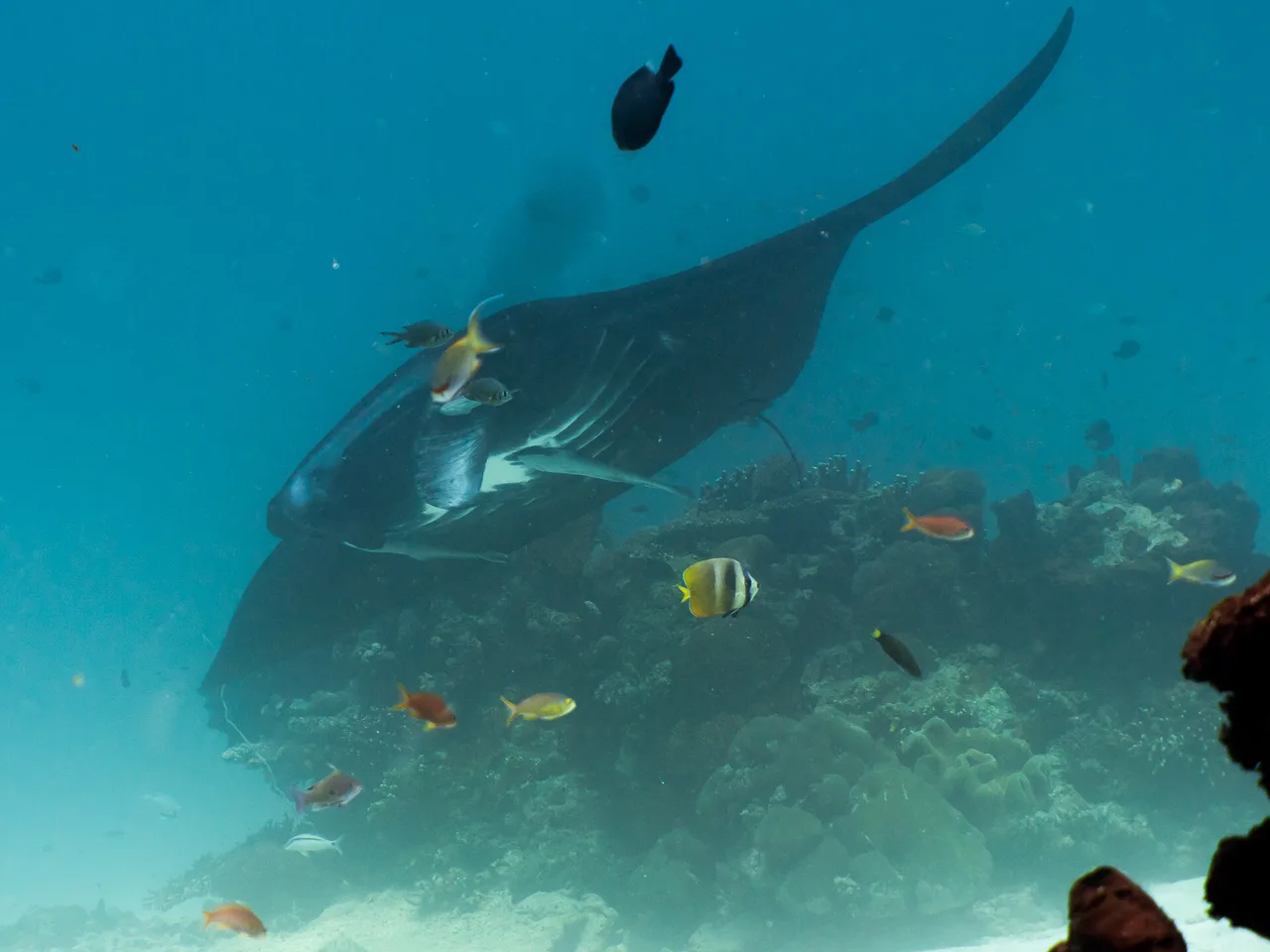
Featured image: Rickard Zerpe, CC BY 2.0, via Wikimedia Commons.
Can you see manta rays in Thailand?
Yes, but plan for a possibility rather than a promise. Mantas are reported at Koh Bon and Koh Tachai in the Similan area, and operators also mention Richelieu Rock in the Surin area. Nearly all of those sightings happen on scuba dives, 10 to 50 m down. Koh Samui, Koh Phi Phi and the beaches around Phuket are not manta territory. Our Thailand marine life guide covers the wider cast of animals you can realistically expect. Sightings swing with season, current, plankton and plain luck. One published liveaboard account from 2013 made several dives at Koh Bon and Koh Tachai and saw no mantas at all. Treat any trip as a chance, and judge it on the rest of the diving too.
Reef manta or oceanic manta: what Thai dives report
Two manta species matter for travelers. The reef manta is the smaller of the two and tends to patrol a favored area. The oceanic manta is larger and roams open water, so it is harder to predict. Divers in the Andaman Sea may meet either. The Manta Trust runs the Thailand Manta Project, which studies mantas in the Andaman and relies on diver photos for identification. Each manta carries a unique belly spot pattern, so your photos can help. Ask your guide which species they believe they saw. Mantas are also easy to confuse with stingrays, and our stingray guide shows the difference. Mantas have wide, forward-facing mouths and flat, wing-like fins that they flap like a bird.
Where to see manta rays in Thailand: Andaman sites compared
Depths and levels below come from liveaboard operator listings, so treat them as typical ranges. Metric depths are the standard on Thai dive boats, with feet added here.
| Site | Area | Typical depth | Level | Also seen | Notes |
|---|---|---|---|---|---|
| Koh Bon | Similan National Marine Park | 10–40 m (33–131 ft) | Intermediate/Advanced | Large pelagic fish, leopard shark | Western ridge slope; strong currents attract big fish |
| Koh Tachai | Similan area | 12–40 m (39–131 ft) | Intermediate/Advanced | Barracuda, whale shark, leopard shark | Granite boulder dive known as The Dome |
| Hin Luang | Koh Bon pinnacle | 18–50 m (59–164 ft) | Advanced | Leopard shark, marble ray | Top starts at 18 m; negative entry in strong current |
| Richelieu Rock | Surin Islands | 5–40 m (16–131 ft) | Intermediate/Advanced | Whale shark, seahorse | Isolated pinnacle; different species mix |
- Koh Bon is the site operators name most often for mantas, thanks to its currents.
- Koh Tachai pairs mantas with barracuda and occasional whale sharks.
- Hin Luang is for advanced divers only because of depth and current.
- Richelieu Rock is a stronger bet for whale sharks and macro life than for mantas.
- Hin Daeng in the southern Andaman is also named by some operators, so ask whether your trip includes it.
Best time to go for manta rays in Thailand
The Andaman diving season runs from October to May, according to Similan operators. Those operators say mantas peak from February to April. That claim is operator-reported rather than a guarantee, so use it as a guide for odds. Rougher seas and closures outside October to May limit your options, so check the national park dates with the Department of National Parks. February to April usually means better odds but more boats and divers. November and December bring a quieter start to the season. Mantas feed on plankton, so water conditions on the day can matter more than the calendar. Our plankton guide explains the tiny organisms behind that food chain.
Liveaboard vs day trip: which fits you?
The offshore sites sit a long way from the mainland. A liveaboard can reach Koh Bon and Koh Tachai early and fit several dives into a stay of 3 to 4 nights. Day trips cost less but spend more hours in transit and offer fewer dives at manta sites. Liveaboards generally cost more per trip, so check current rates with operators in Phuket and Khao Lak.
| Factor | Liveaboard | Day trip |
|---|---|---|
| Time at sea | Multi-night, sleep near the sites | One long day out and back |
| Dives at manta sites | More chances across several days | Fewer, often one or two sites |
| Cost tier | Higher | Lower |
| Seasickness risk | Longer exposure, but you adapt | Shorter, but repeated transits |
| Best for | Divers chasing mantas | Divers short on time or budget |
- Skip a manta-only trip if you cannot accept a no-show.
- Skip it if you dislike boat sleeping or strong current.
- Skip it if you hold only a beginner qualification, as most manta sites are rated Intermediate or Advanced.
Do you need to be a diver?
For realistic odds, yes. Koh Bon, Koh Tachai and Richelieu Rock are rated Intermediate/Advanced, and Hin Luang is Advanced. Open water divers may find the currents and depths beyond their comfort. An Advanced Open Water course helps if you hold only the entry level. Snorkelers have a much lower chance, because mantas favor deeper water at these offshore sites. Non-divers can still enjoy the Andaman wildlife. Our sea turtle guide lists easier sightings near shore.
Planning, cost and booking logistics
Book peak-season trips early, since February to April dates fill first. Departures are commonly from the Phuket and Khao Lak areas, so ask your operator which port they use. Park fees and trip prices change, so get the current fee from the operator and the national park authority. Make sure your insurance covers diving, and ask about evacuation cover. After your last dive, wait 18 to 24 hours before flying, which is the common guideline. Check current advice from Divers Alert Network. Build a spare day into your plan before your flight home.
Before you book, check whether the operator's sites reach the 10 to 50 m band where nearly all manta sightings happen.
Responsible manta etiquette
Mantas are curious but easily disturbed. Never touch or chase them, and never block their path. Keep your distance and stay low and still, letting the animal come to you. Avoid flash photography at close range. Follow your guide and the park rules at all times. The IUCN Red List assesses manta species, so check their current conservation status there. Report your sightings and photos to the Manta Trust for identification.
If you don't see a manta
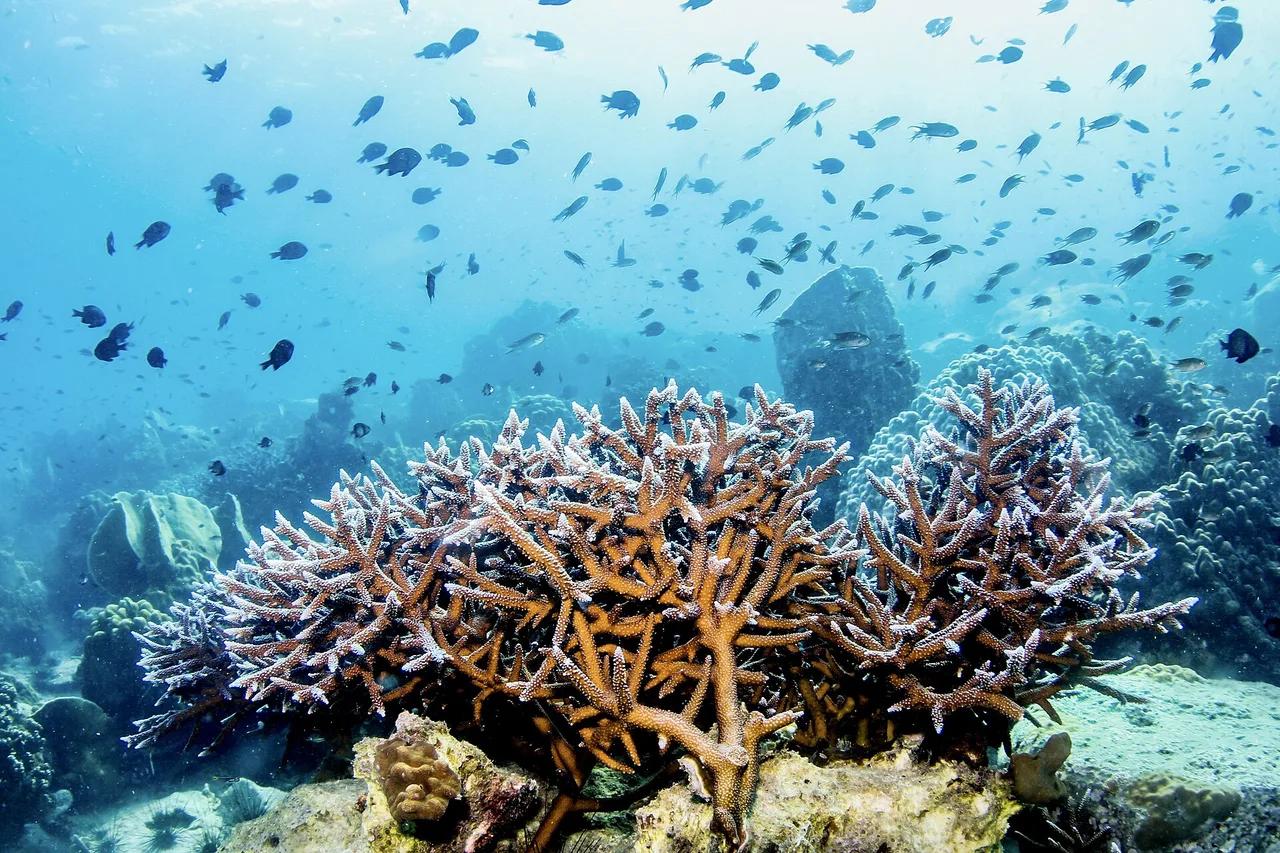
A missed manta rarely means an empty dive. Koh Bon and Koh Tachai offer leopard sharks and barracuda, and Richelieu Rock offers whale sharks and macro life. Learn what to look for before you go. Our barracuda guide covers the schools at Koh Tachai. Moray eels and octopus hide in the reefs, and the moray eel guide and octopus guide explain how to spot them. Sea snakes drift past at Koh Bon, which our sea snake guide covers. For small critters, try the nudibranch guide, the seahorse guide and the clownfish guide. Return to the marine life hub to plan your next sighting.
On a liveaboard, a missed manta matters less when a stay of 3 to 4 nights adds more dive days for barracuda and leopard sharks.
Notes for your next dive trip
Optional updates to our Thai diving guides.
You might also like

Continue reading
More guides you'll find useful