Stingrays in Thailand: Where to See Them and Staying Safe
Where stingrays live in Thailand, from reef species to the giant freshwater ray, how to see them responsibly, and how to avoid and treat a sting.
On this page
Last updated November 2026. Stingray Thailand searches usually come down to two animals: small reef rays on sand, and the giant freshwater ray that few visitors ever see. Reef rays are the realistic encounter, and our one safety rule is to shuffle your feet in shallow sand. Both fit into the wider story of Thailand's marine life.
Featured image: Unknown author, Public domain, via Wikimedia Commons.
Quick answer: stingrays you can meet in Thailand
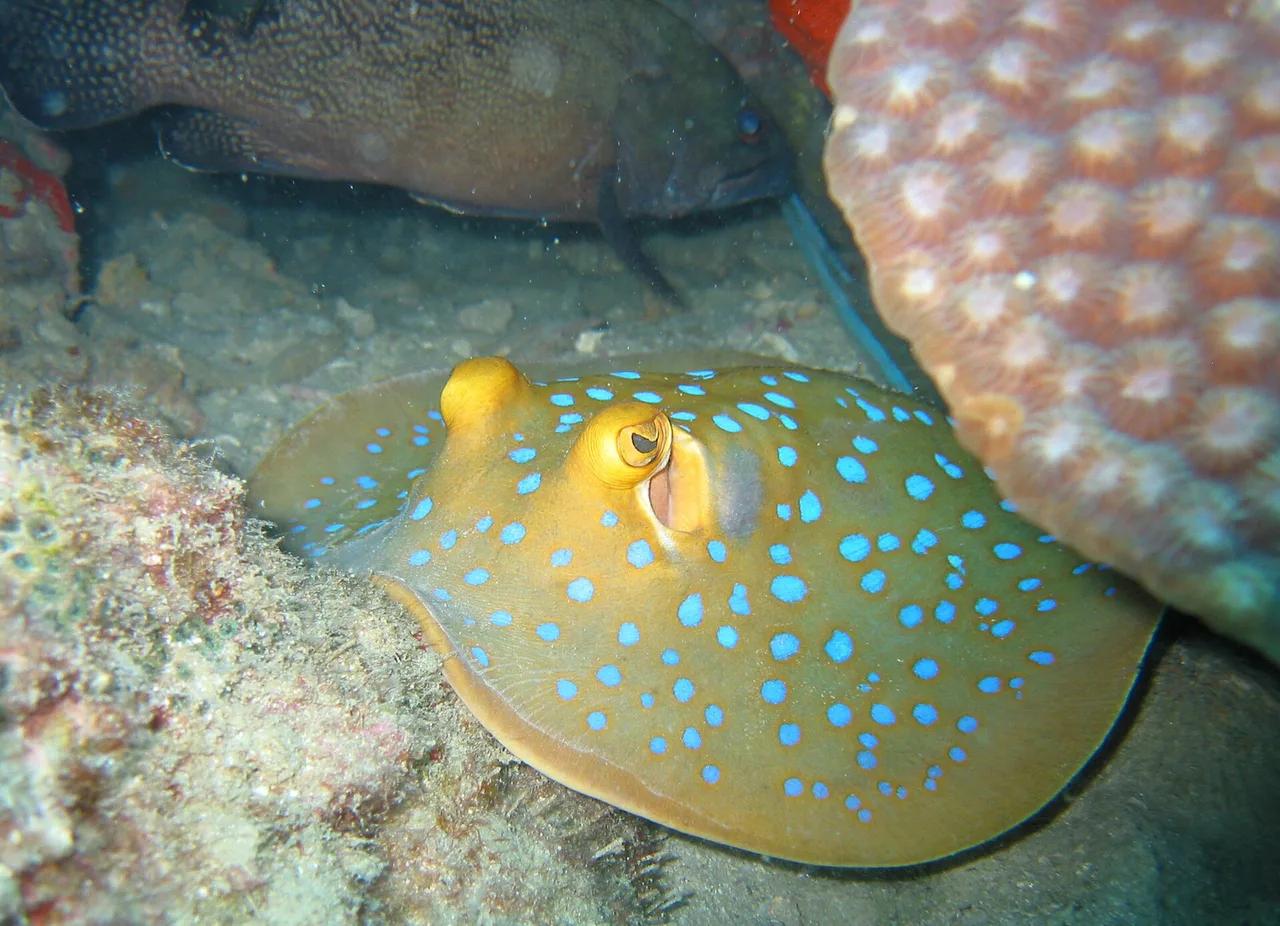
Two groups matter for travelers. Reef and sand-flat rays are reported at Koh Tao, Phi Phi and Koh Lanta, often resting on sandy bottoms beside coral. Bluespotted ribbontail rays are the species most often mentioned there. The giant freshwater stingray lives in rivers such as the Mae Klong, and it is not a tourist sighting. We'd plan a trip around the first group and treat the second as a story worth knowing.
| Type | Habitat | Realistic visitor chance | Safety note |
|---|---|---|---|
| Bluespotted ribbontail and other reef rays | Sandy patches near reefs at Koh Tao, Phi Phi, Koh Lanta | Reported by snorkelers and divers; not guaranteed | Shuffle your feet; never touch |
| Giant freshwater stingray | Rivers such as the Mae Klong | Very low; mostly researchers | Do not book any tour promising to hook or handle one |
| Rays in aquarium exhibits | Indoor tanks | Depends on the venue | Ask the venue about its welfare and touch policy |
Where and how to see stingrays in Thailand
Snorkeling and diving are the best routes. Rays tend to lie half-buried on sand, so you spot them by scanning the sandy edges of a reef rather than the coral itself. Koh Tao sits in the Gulf of Thailand. Phi Phi and Koh Lanta sit on the Andaman Sea side. Season and visibility differ by coast, so ask your operator which side is clearer on your dates. For a bigger, open-water ray, read our guide to manta rays in Thailand. Aquarium exhibits are the only no-water option, and venues vary, so check each one's current ray displays and touch rules directly.

- Snorkeler: sandy reef edges at Koh Tao, Phi Phi or Koh Lanta; stay horizontal and keep fins off the bottom.
- Diver: ask the dive guide to point out resting rays; buoyancy control matters most.
- Non-swimmer or short on time: an aquarium visit, with a welfare question for staff first.
- Family with kids: calm, shallow snorkel sites with a guide, and a clear no-touch briefing.
The giant freshwater stingray: facts, status and why you probably won't see one
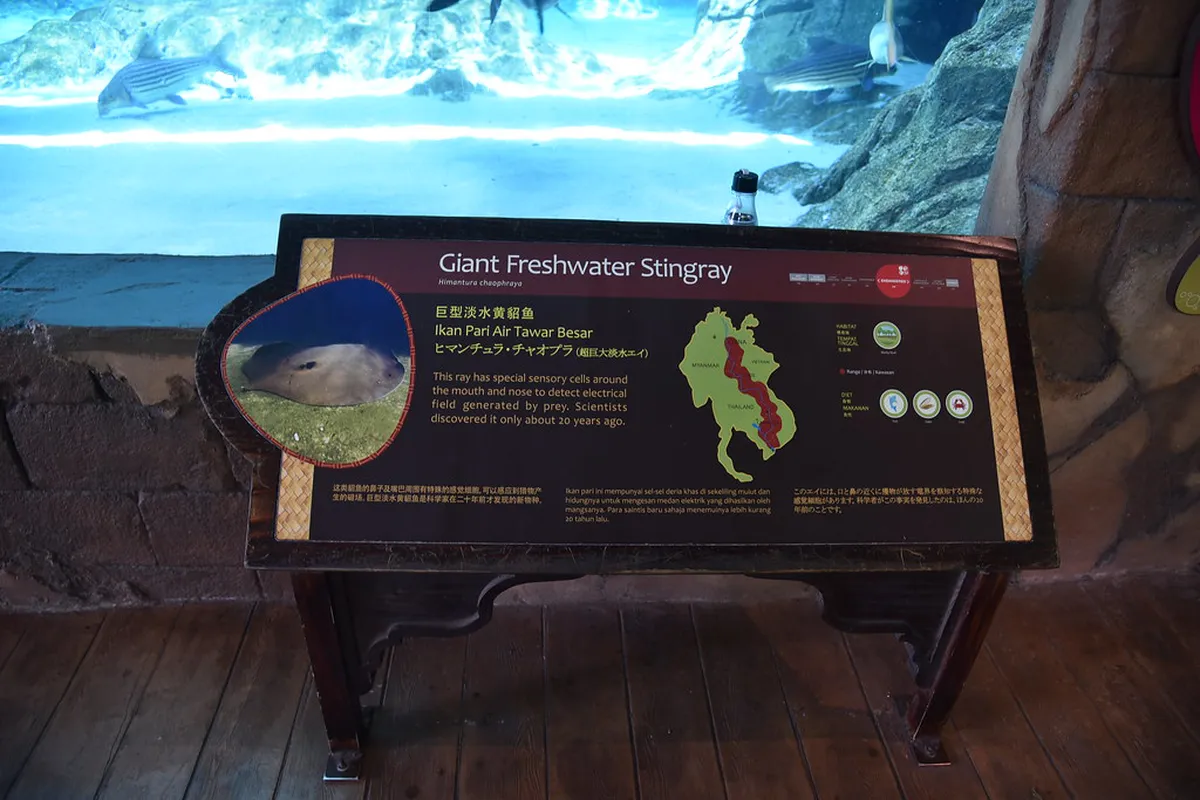
Giant freshwater stingrays live in Southeast Asian rivers, including Thailand's Mae Klong. In one reported catch, researchers and fishermen spent about five hours landing a ray estimated at 600 to 800 lb. It measured about 14 ft long and 8 ft wide. Veterinarian Nantarika Chansue found it was the same fish she had tagged in 2009. Zeb Hogan of the Megafishes Project, a University of Nevada, Reno professor, said so little is known about the species that even its maximum size is unclear. Researchers describe it as endangered because of pollution, dams and overfishing of young fish. Check the current listing on the IUCN Red List. Size claims for giant rays conflict across reports, so we won't quote a record. These were scientific catch-and-release projects, not tourist activities. Treat any tour that sells a "giant stingray" encounter with suspicion and ask hard questions about welfare and licensing.
Treat the 600 to 800 lb giant as background, since the trip you can book centers on reef rays at Koh Tao, Phi Phi or Koh Lanta.
Safety: avoiding and treating stingray stings
Are stingrays dangerous? They are defensive, not aggressive. Most stings happen when someone steps on a ray hidden in sand. In shallow water, shuffle your feet so the ray feels the vibration and swims off. Don't wade barefoot over murky sand, and never grab or chase a ray. If you are stung, get medical help rather than improvising treatment. The Divers Alert Network publishes marine-injury guidance, and your dive or tour operator should know the nearest clinic. Rays are not the only hazard underfoot. Our guides to the stonefish, sea urchins and box jellyfish cover other stinging animals. Lionfish are covered in a separate profile.
Responsible encounters
Don't touch, chase, ride or feed rays. Feeding changes behavior and draws animals toward boats. Ask your operator for its ray policy before you book. Marine park rules apply in protected areas, and the Department of National Parks and the Department of Marine and Coastal Resources are the official sources for current regulations. Our pick is an operator that briefs you on distance and fin control before anyone enters the water. We'd skip one that promises you can pet a ray.
Costs, time and access trade-offs
We can't quote reliable baht figures for ray-focused trips. Prices change by operator and season, so compare quotes directly. Relative cost is easy to rank. A shared snorkel trip from an island hub costs least, a dive trip with certification costs more, and a private boat costs most. Most reef trips leave from island hubs such as Koh Tao, Phi Phi and Koh Lanta, so allow time for boat transfers. A half-day trip fits a tight schedule. A full day gives more stops and more chances to spot rays, but ray sightings are never guaranteed. For more wildlife, see our guides to sea turtles in Thailand.
Frequently Asked Questions
What to do if I see a stingray?
Keep your distance and stay calm. Don't touch, chase or feed it. If you're wading, shuffle your feet so the ray can move away.
How many types of stingrays are there?
Many species exist worldwide, in both sea and freshwater. In Thailand, visitors mostly meet reef rays such as the bluespotted ribbontail. Rivers hold the giant freshwater stingray, which tourists rarely see.
Notes for your next dive trip
Optional updates to our Thai diving guides.
You might also like

Continue reading
More guides you'll find useful