Palong Wall, Phi Phi: Dive Site Guide, Depth, Level & Access
Palong Wall dive site off Phi Phi Leh near Palong Bay: what it is, who it suits, how trips reach it, and how it compares with nearby Phi Phi sites.
On this page
Last updated November 2026: Palong Wall is a wall dive off the Phi Phi Leh side, near Palong Bay. Operators set the depth range and the required certification trip by trip, so get both from your shop before you pay. If you are still choosing sites, start with our Phi Phi diving guide.
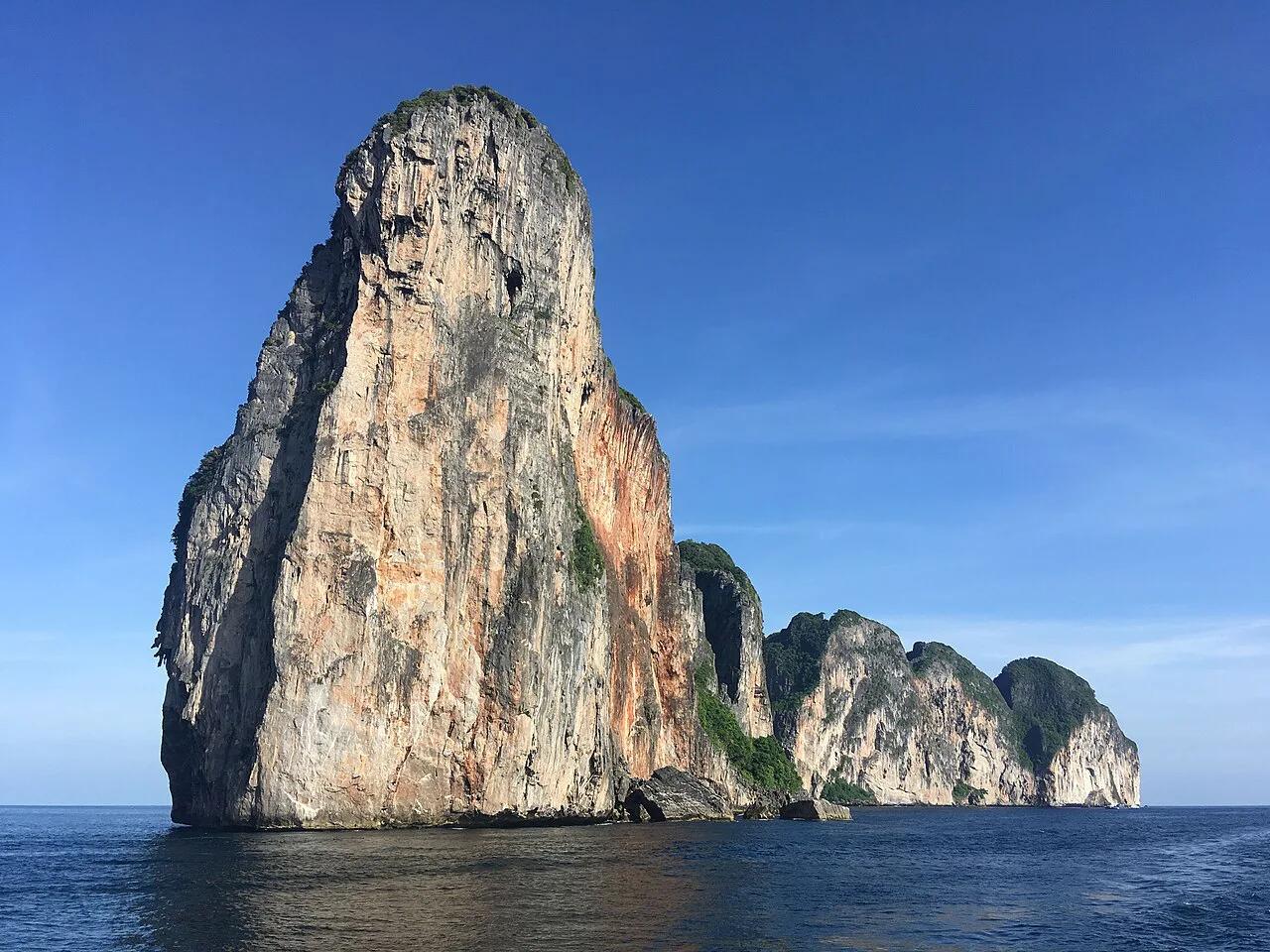
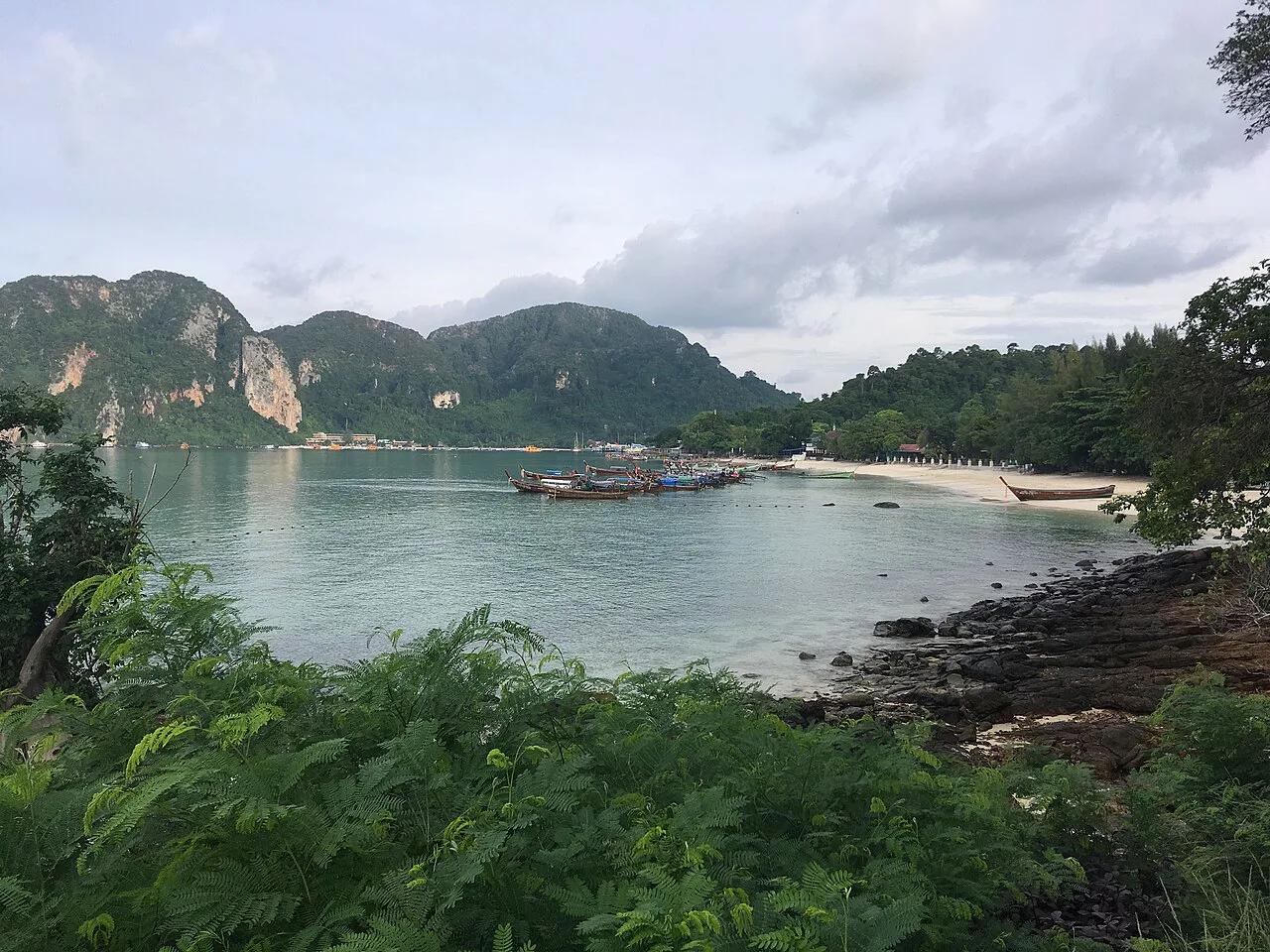
Featured image: Christophe95, CC BY-SA 4.0, via Wikimedia Commons.

What Palong Wall Is and Where It Is
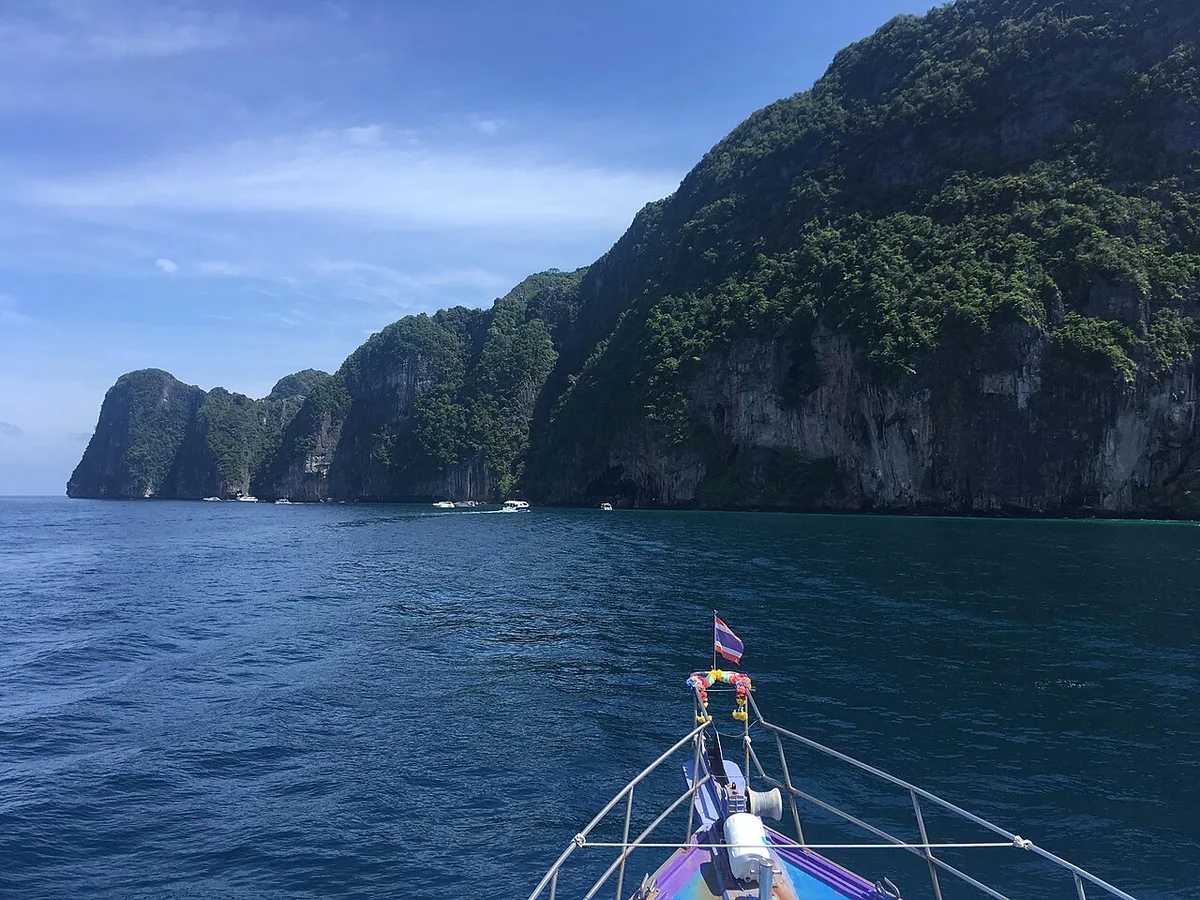
Palong Wall is a wall dive on the Phi Phi Leh side of the Phi Phi Islands, close to Palong Bay. A wall dive follows a near-vertical rock or coral face instead of a gently sloping reef. Phi Phi Leh is the smaller, uninhabited island, so trips here start from the Phi Phi Don side by boat. Our Phi Phi dive site overview places the other named sites around the islands. Palong Wall is a site that local shops schedule at their own discretion, so it is not a fixed stop on every itinerary.

Palong Wall at a Glance
Published depth, current and visibility figures for this site vary between operators. The table shows what to expect and what to ask your dive shop.

| Detail | What to know |
|---|---|
| Site type | Wall dive along a near-vertical face |
| Location | Phi Phi Leh side, near Palong Bay |
| Entry | Boat dive from Phi Phi |
| Depth range | Set by your operator's briefing; ask for the planned maximum |
| Level | Ask which certification the shop requires on the day |
| Current | Changes with tide and weather; ask for the briefing |
| Visibility | Changes with season and sea state |
What You'll See Underwater
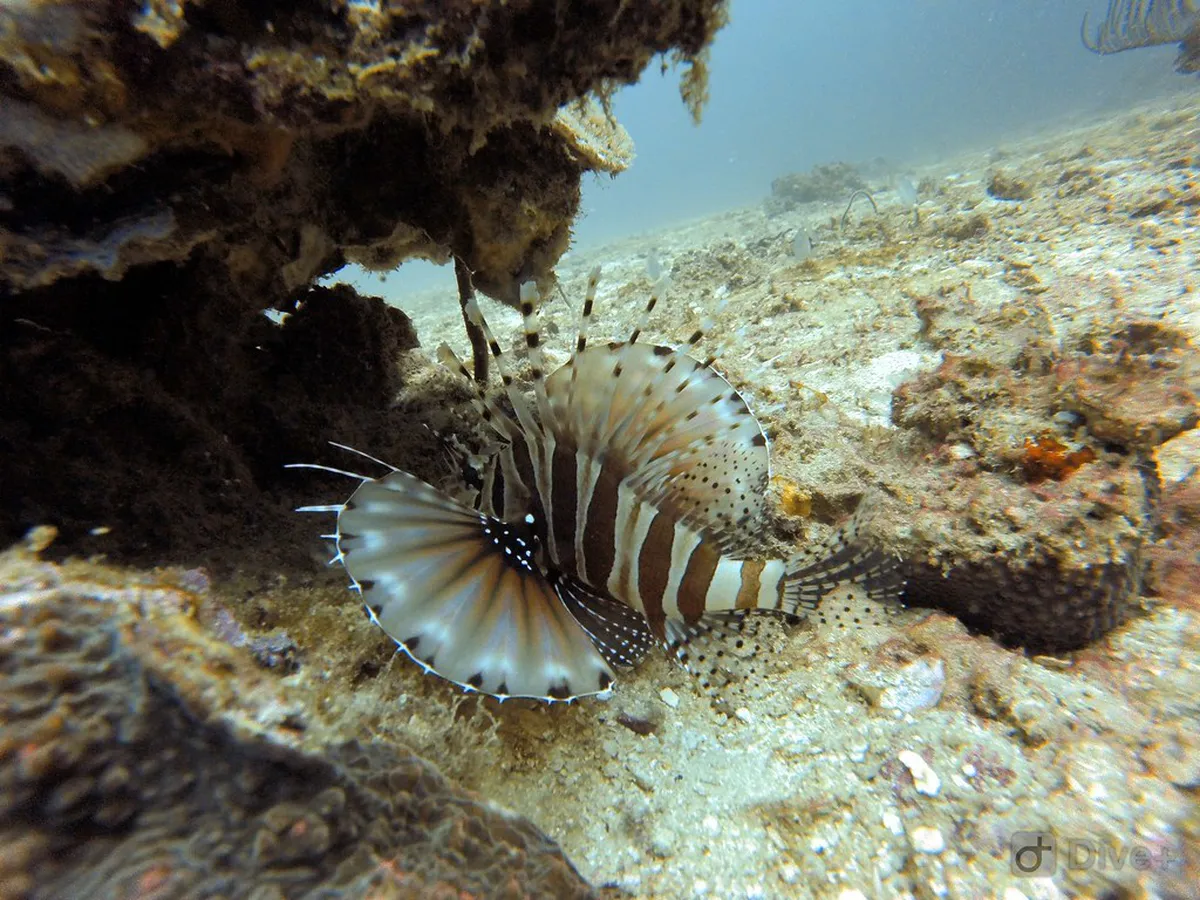
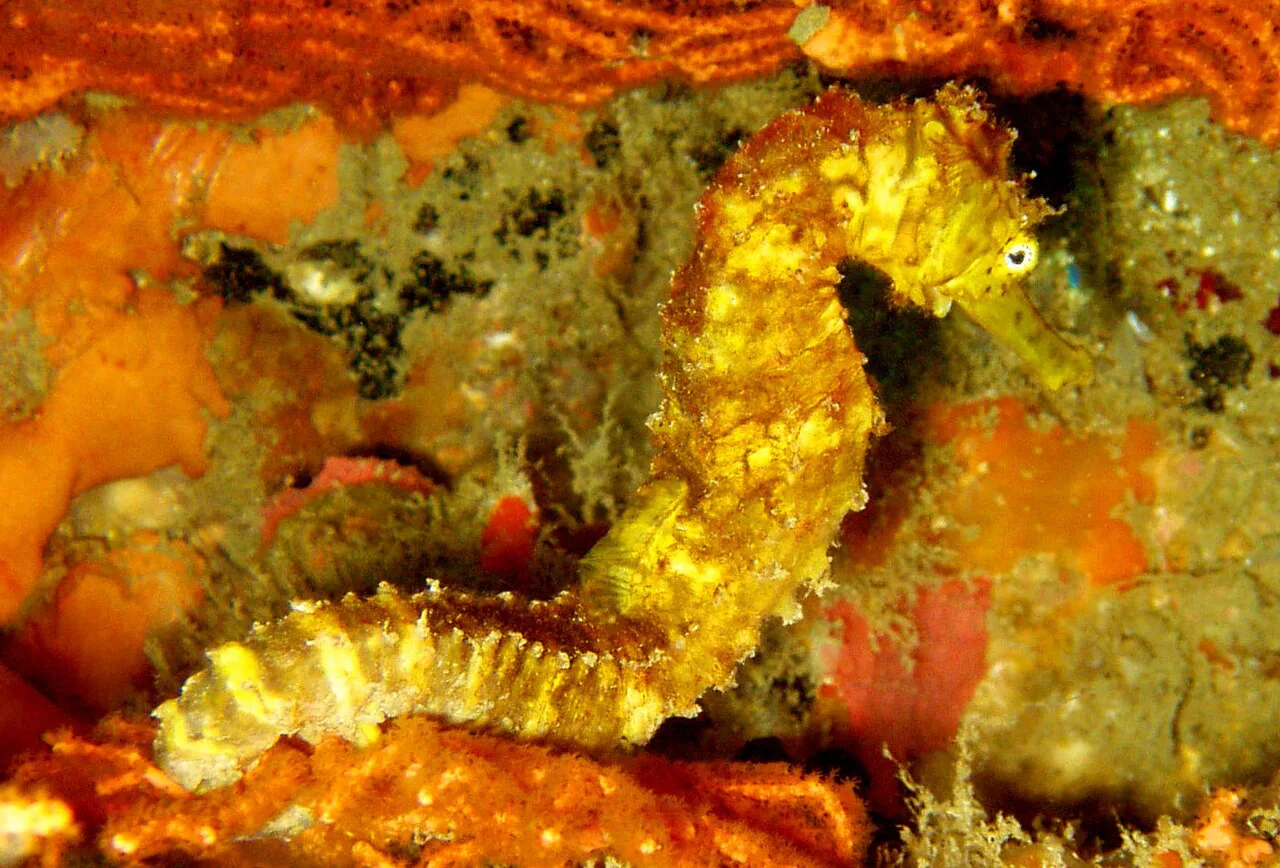
A wall gives you a fixed vertical reference. Rock and coral faces often hold ledges, overhangs and crevices where reef fish shelter. Open water beside the wall is where passing fish tend to appear. Your guide will name what is being seen on the day, and sightings change with season and current. Treat any species list you read online as a possibility, not a promise.
Who Should Dive Palong Wall (and Who Should Skip It)

General wall-diving guidance says no special certification is required. Good buoyancy control is what matters, because a wall has no bottom to stop an accidental descent. Certified divers who hover comfortably and watch their gauge will do best. Beginners should ask the shop directly whether they accept your certification level at this site.
| Diver profile | Fit |
|---|---|
| Advanced Open Water, steady buoyancy | Good fit if the shop confirms the plan |
| Open Water, recent dives | Ask the shop about the day's depth and current |
| Discover Scuba, no certification | Usually better on a shallower, sheltered site |
| Rusty or anxious in current | Pick a gentler site or take a refresher first |

- Not certified yet? Read our Discover Scuba guide for a first dive.
- Want a full license? See the PADI courses on Phi Phi for the next step.
How to Get There From Phi Phi
Reach Palong Wall by dive boat from Phi Phi. Boat time and departure depend on your shop and that day's sea state. Phi Phi Leh sites often sit on a shop's morning or afternoon run along with other sites, so the schedule decides whether Palong Wall is included. Ask which dives are planned for your departure and in what order. Boats can change the plan at the dock if swell or current is poor.

Best Time to Dive Palong Wall
Conditions at a wall depend on swell and current, which shift with the monsoon. Our Phi Phi diving season guide covers the calendar month by month. Water warmth and wetsuit choice are in our water temperature guide. Forecasts from the Thai Meteorological Department help you read the sea the week you travel.
Cost and Time: What to Budget
Palong Wall is normally dived as one stop within a standard boat trip, so you pay the trip price, not a separate site fee. Park and marine fees can apply on top, depending on the operator. Our Phi Phi diving price guide breaks down what trips cost in baht. Prices and hours change by operator and season, so ask for a written all-in quote.
Wall-Diving Safety: Buoyancy, Depth and Current
Walls carry one characteristic hazard. Without a bottom, a diver can drift deeper than planned without noticing. Check your computer often and set your depth alarm if you have one. Currents can run along or up and down a wall, so follow the guide's briefing on direction and exit. Avoid grabbing the wall, because much of the life on it is fragile. The Divers Alert Network publishes general dive-safety and insurance information.
Nearby Phi Phi Dive Sites

Compare Palong Wall with other named sites before choosing a trip. Bida Nok Diving Guide: Depth, Level, Trips (Phi Phi) is a separate Phi Phi site with its own profile. Hin Klang (Hin Klai) Phi Phi: Diving, Snorkeling & Access is another, and many divers choose it as a different style of reef. Pick Palong Wall if you want a wall and have the buoyancy for it. Pick a gentler site if you want an easier first outing.
Choosing a Dive Shop and Booking
Shortlist operators from our Phi Phi dive shop listings. Look for a PADI or SSI affiliation; the PADI site and the SSI Dive Center Locator both let you check a center. Then ask four direct questions before booking.
- Is Palong Wall on today's itinerary?
- What is the planned maximum depth?
- What certification and logged dives do you require?
- What is the current forecast and the exit plan?
Notes for your next dive trip
Optional updates to our Thai diving guides.
You might also like


Continue reading
More guides you'll find useful