Phi Phi Diving Season: Best Months, Monsoon Reality & Dive Planning
When to dive Phi Phi: the October–May window, what changes in shoulder months, and whether monsoon-season diving is worth it.
On this page
Last updated November 2026. The Phi Phi diving season runs roughly October to May, with December to February the busiest stretch. Dive shops stay open from June to September, but trips depend on the weather. Use this guide with our Phi Phi diving overview to pick a month that matches your skills, budget and tolerance for rough seas.
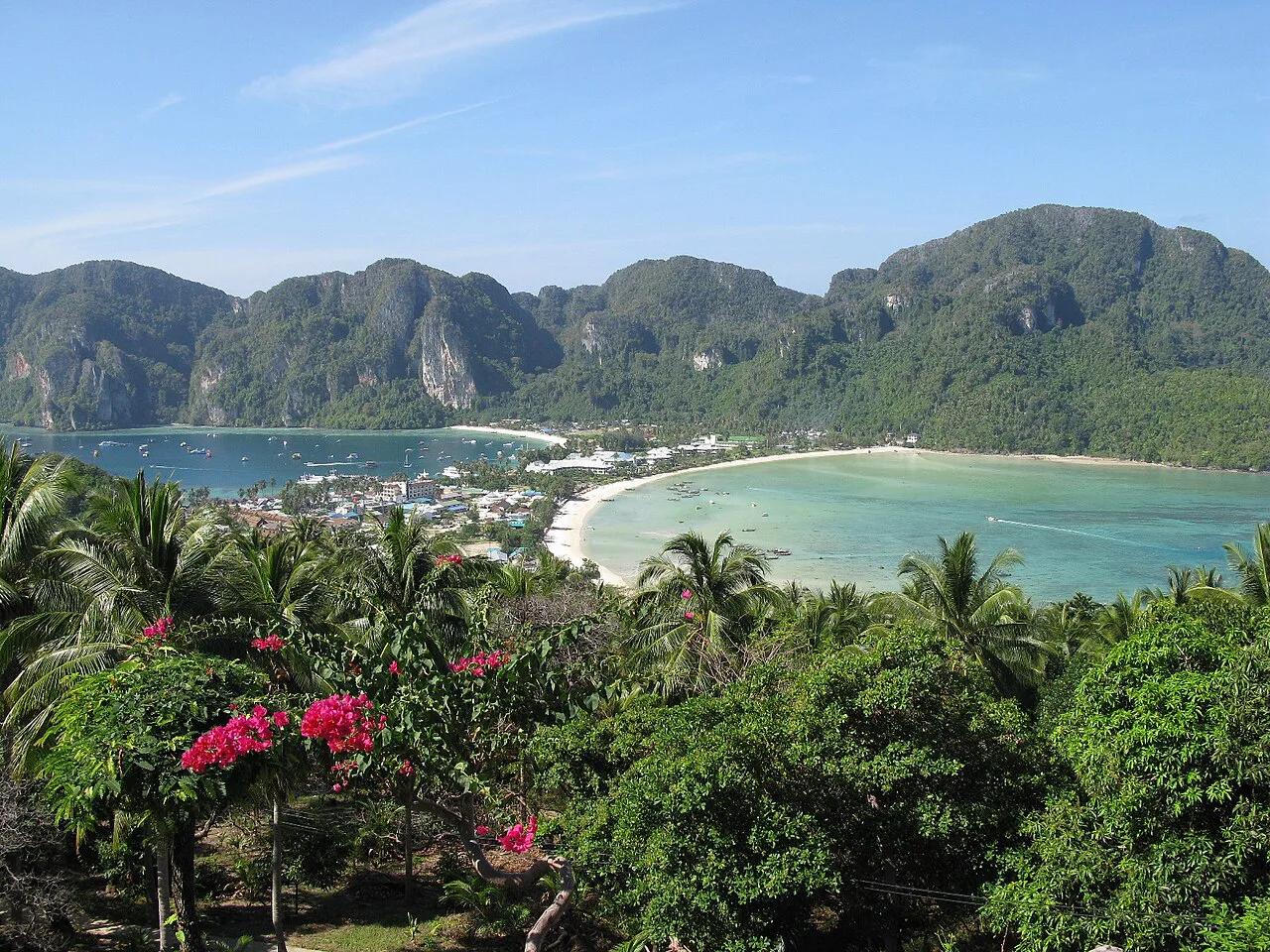
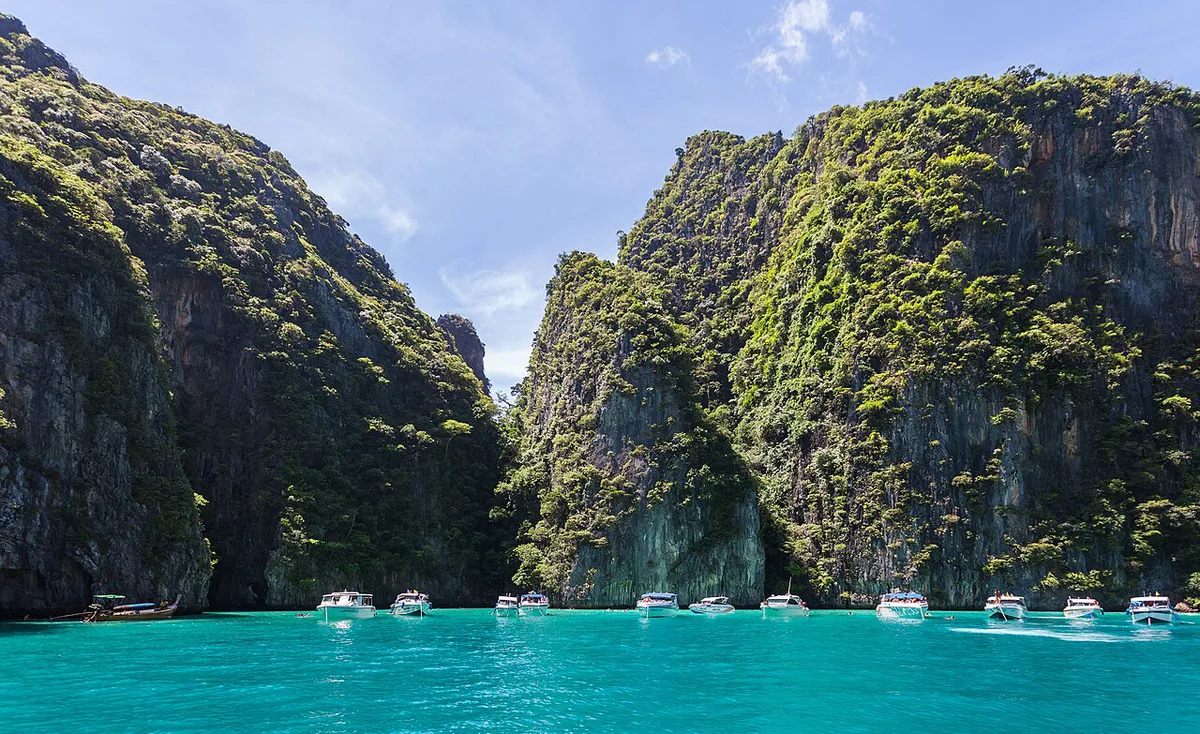
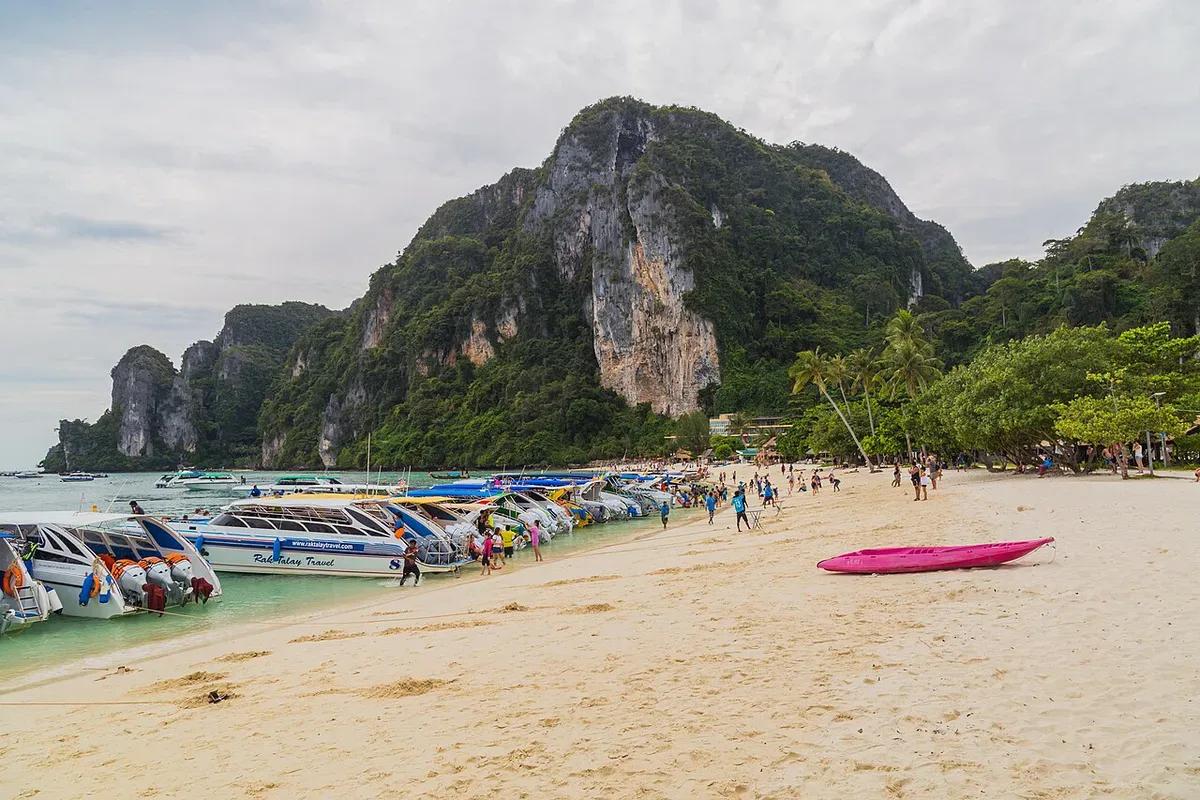
Featured image: Diego Delso, CC BY-SA 3.0, via Wikimedia Commons.
Short answer: when is Phi Phi diving season?
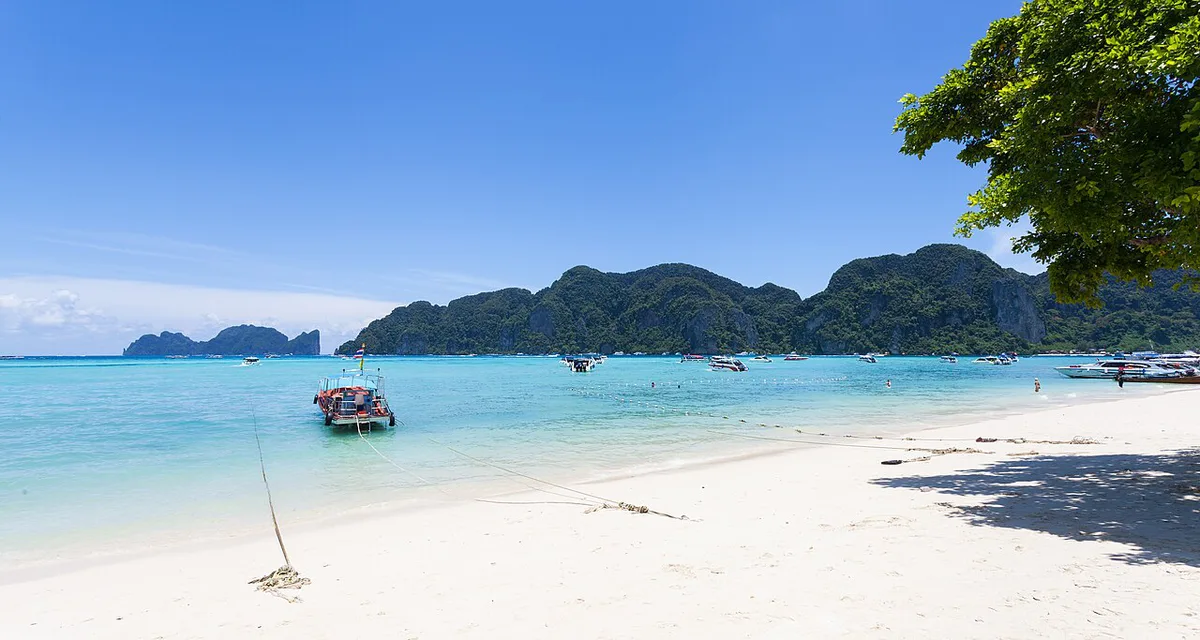
Aim for October to May on Thailand's Andaman coast. PADI's Thailand guide names that window as best for west-coast destinations, including Phi Phi, Phuket, Krabi and Lanta. June to September is monsoon season there. Some days are still good, and dive shops around Phi Phi stay open. Boundaries are approximate, so ask your operator about the week you plan to travel. Dive shop details are on our Phi Phi Dive Shops: How to Choose the Right One page.
Month-by-month: Phi Phi diving conditions
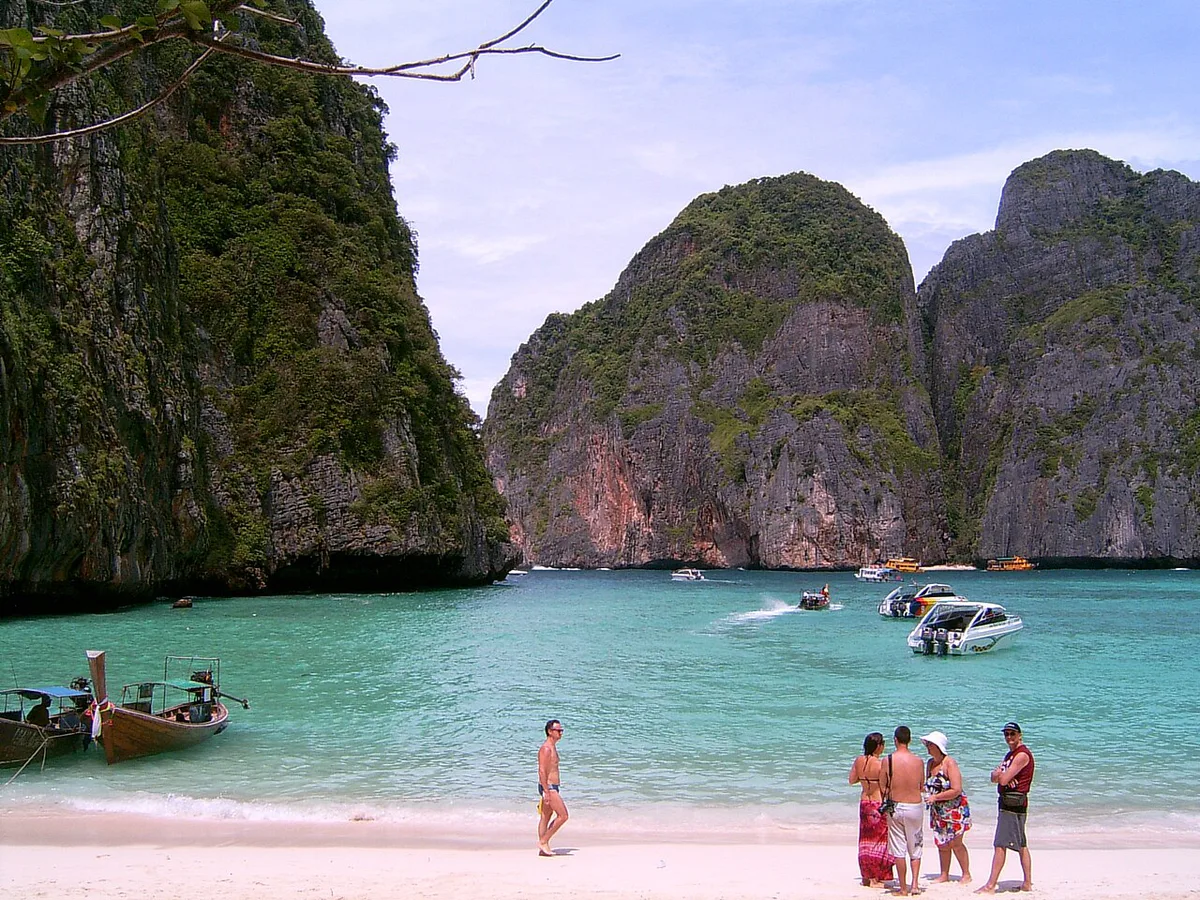
Conditions below are tendencies, not guarantees. Prices and hours checked November 2026. One tourism excerpt reports visibility of 30 m or more in January and February. March and April stay strong, and May is when the southwest monsoon arrives. October is the recovery month. Shoulder months can bring choppy seas and reduced visibility but quiet sites. Warm water suits most divers, and Andaman surface water typically sits around 28°C (82°F) to 30°C (86°F). Our Phi Phi water temperature guide covers exposure suits.
| Months | Sea state | Visibility tendency | Crowds | Best fit |
|---|---|---|---|---|
| Oct–Nov | Calming after monsoon; can be choppy | Improving, variable | Quiet to moderate | Flexible, budget-minded divers |
| Dec–Feb | Calmest | Best reported, 30 m or more | Busiest | Divers who want calm, clear water |
| Mar–Apr | Mostly calm | Still strong | Moderate | Late-season trips, courses |
| May | Monsoon arriving | Falling | Quiet | Divers who accept weather risk |
| Jun–Sep | Rough on many days | Variable | Quietest | Flexible, experienced divers |
High season vs best conditions: what the trade-off costs
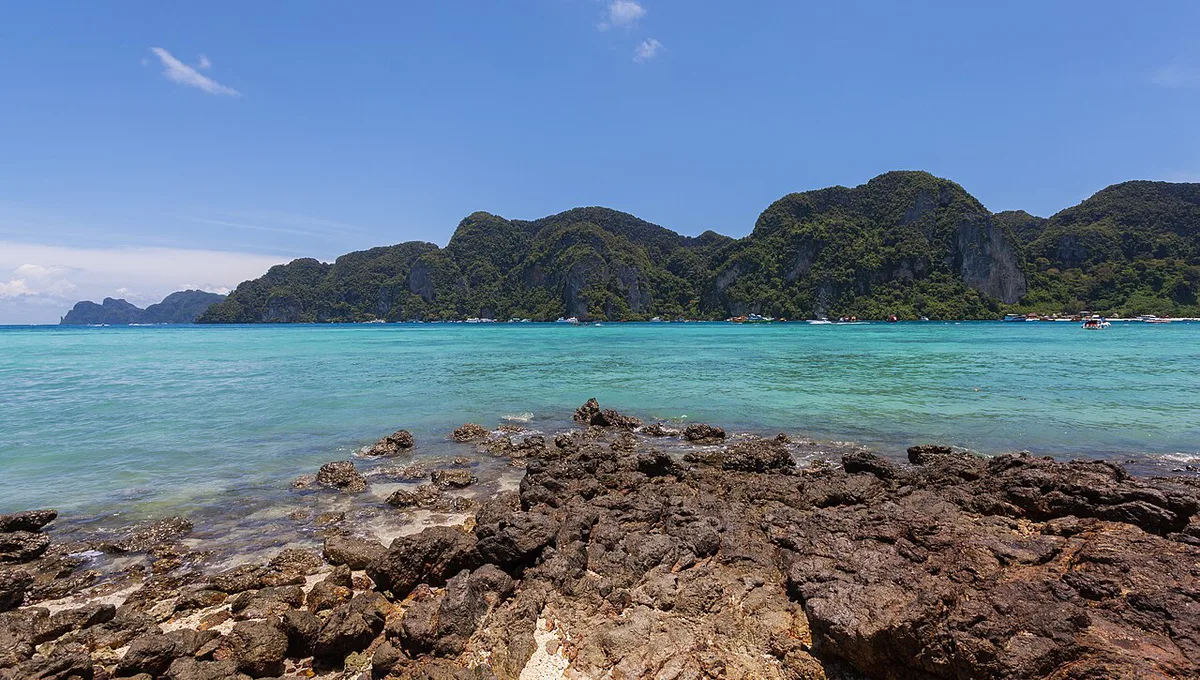
Agents use "high season" to mean busiest, not best underwater. December to February is crowded for good reasons, so book boats and rooms early. Shoulder months trade some calm for space. As a planning example, a two-dive day trip might list near ฿3,200 in January and near ฿2,500 in June. Treat those figures as indicative only, because rates vary by operator. See Phi Phi diving prices for current ranges. Cheaper months also mean more cancellation risk, so weigh the saving against a lost day.
Budget near ฿2,500 in June only if you can absorb a cancelled boat day, since monsoon trips get rerouted.
Diving Phi Phi in monsoon season (June–September): is it worth it?
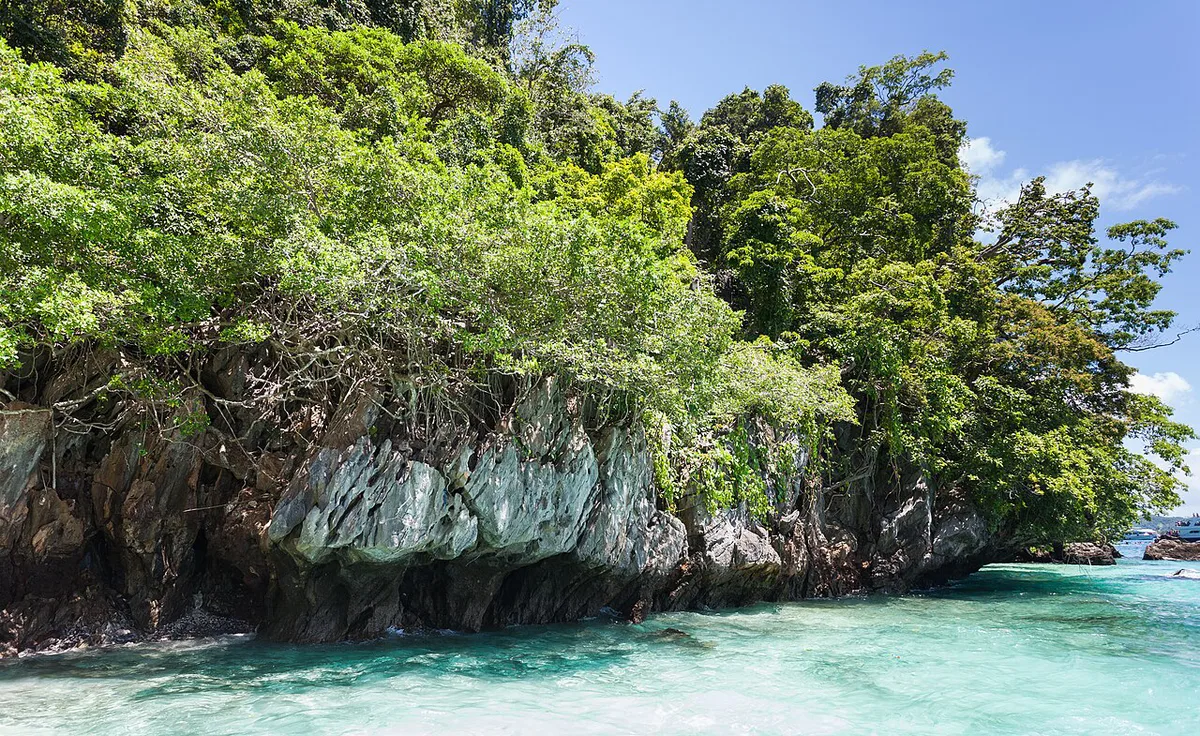
Monsoon does not mean zero diving. PADI notes good days and even great days on the west coast. Flexible travelers can find quiet sites and lower prices. Expect trips to be cancelled or rerouted when seas build. Some sites sit more sheltered than others, but no site is always diveable. Ask the operator which sites ran last week. Skip these months if your dates are fixed, if you need a certificate by a deadline, or if you dislike boat crossings in swell. Check the weather-refund policy before paying a deposit. For marine forecasts, use the Thai Meteorological Department.
Which Phi Phi dive sites fit which part of the season
Sea Bees, one local operator, lists maximum depths of 10 to 25 m across Phi Phi sites. It describes Bida Nok Diving Guide: Depth, Level, Trips (Phi Phi) as all levels at 5–30 m, a good choice when seas are calm. It lists Hin Klang (Hin Klai) Phi Phi: Diving, Snorkeling & Access as beginner level at 3–15 m, and Palong Wall, Phi Phi: Dive Site Guide, Depth, Level & Access as all levels at 5–18 m. Laem Tong Home Reef, at 2–12 m, is its beginner pick. Use the full Phi Phi dive site guide to compare options. Which sites run on a given day depends on wind and swell, so the boat captain decides.
Newer divers can pair Laem Tong Home Reef, a 2–12 m site, with spare days in case seas shift a course session.
Season and your plans: courses, day trips, liveaboards
Learners should book with buffer days, since a rough morning can shift a session. Our Discover Scuba on Phi Phi page covers first dives. Certification options are listed under PADI courses on Phi Phi. Sea Bees runs a morning trip with 2 dives and an afternoon trip with 1. Liveaboards are the other seasonal factor. PADI says the Similan and Surin parks are off-limits outside October to May. One tourism excerpt puts the Similan closure in mid-May. Confirm opening dates with the Department of National Parks. Hin Daeng and Hin Muang lie within day-trip reach of Phi Phi and Lanta, and PADI points to them for manta rays and whale sharks.
How to choose your month
Match the month to your priority. Cold-water habits matter little here, but comfort does. In Bali, by contrast, the thermocline can fall to 18°C (64°F) to 20°C (68°F), which shows why local temperature checks matter.
- Calm, clear water: choose December to February and book early.
- Cheaper and quieter: choose October, November, March or April, and accept some chop.
- Fixed-date certification: pick sheltered sites and add 1–2 buffer days.
- Monsoon bargain: travel June to September only with flexible dates and a refund policy.
Booking and logistics checklist
Before paying, ask each shop the same questions. DAN lists emergency and insurance resources at Divers Alert Network. Ask about the departure point, because Sea Bees boats leave from SAii Phi Phi Island Village Resort. Ask how transfers from Phuket or Krabi work when seas are rough.
- What is the weather cancellation and refund policy?
- Which sites do you use when seas are rough?
- What is the maximum group size per guide?
- Where does the boat depart, and how do I get there?
- Do you offer rebooking if a course day is cancelled?
Mistakes to avoid
Four errors cause most disappointment.
- Booking by the "high season" label instead of sea conditions.
- Assuming monsoon means no diving at all.
- Skipping the weather-refund terms.
- Scheduling a course with no buffer days.
Frequently Asked Questions
Which month is best for Phi Phi Island?
December to February is reported as calmest, with visibility of 30 m or more. It is also the busiest period, so book early. March and April remain strong and are somewhat quieter.
Which season is best for scuba diving?
On Thailand's west coast, October to May is best. The Gulf of Thailand is roughly the reverse, with calmer water from June to September.
Notes for your next dive trip
Optional updates to our Thai diving guides.
You might also like
Continue reading
More guides you'll find useful