Phi Phi Water Temperature by Month: Swim & Dive Guide
Phi Phi sea temperature is warm all year. See month-by-month conditions, visibility, wetsuit advice and when sea state matters more.
On this page
Last updated November 2026. Phi Phi water temperature sits at roughly 29-30°C (84-86°F) all year, based on climate averages for the Andaman Sea. Warmth rarely changes your plans, because sea state, visibility and monsoon timing do. Use the month table below, then read our Phi Phi diving season guide to pick dates.
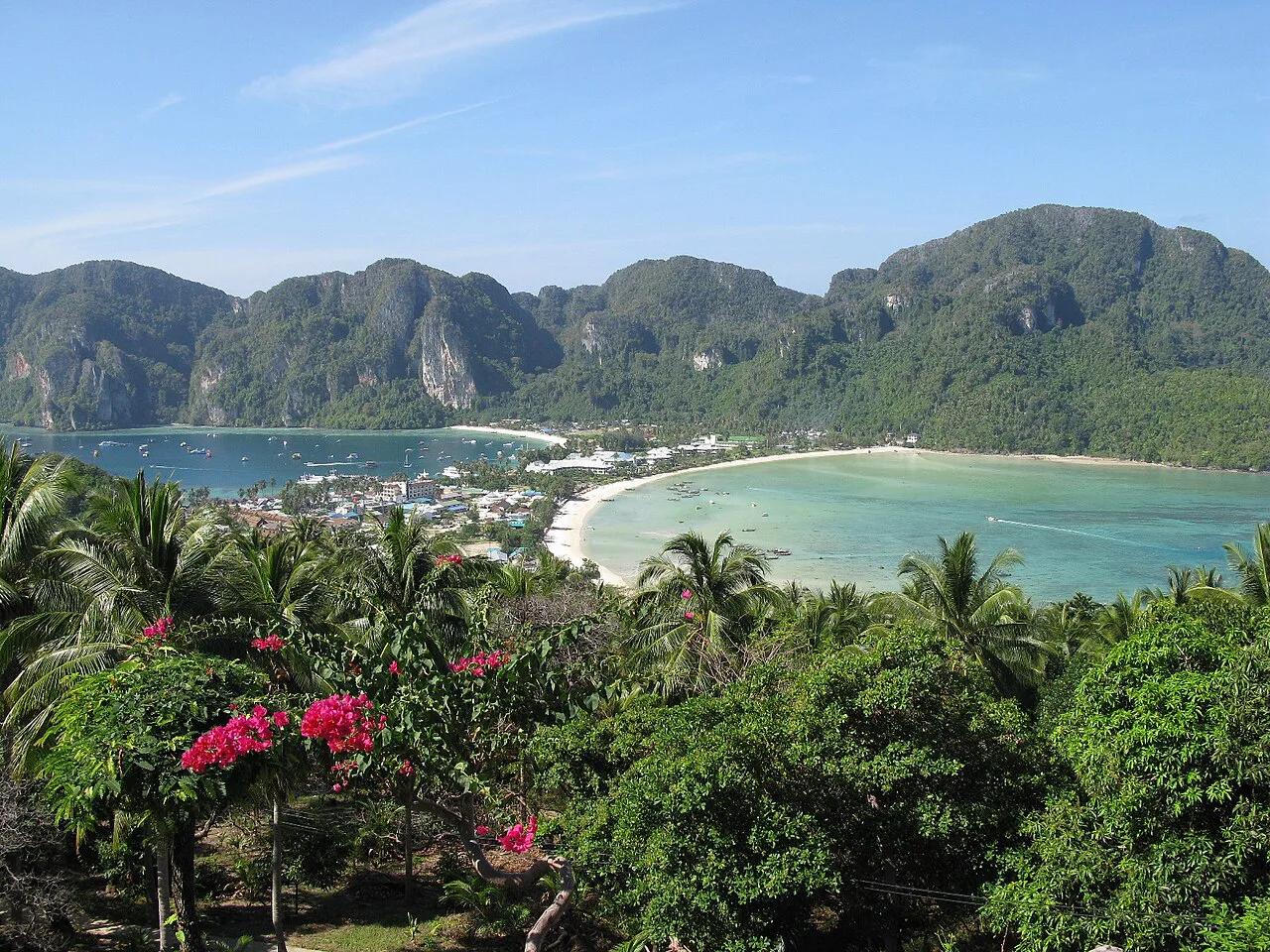
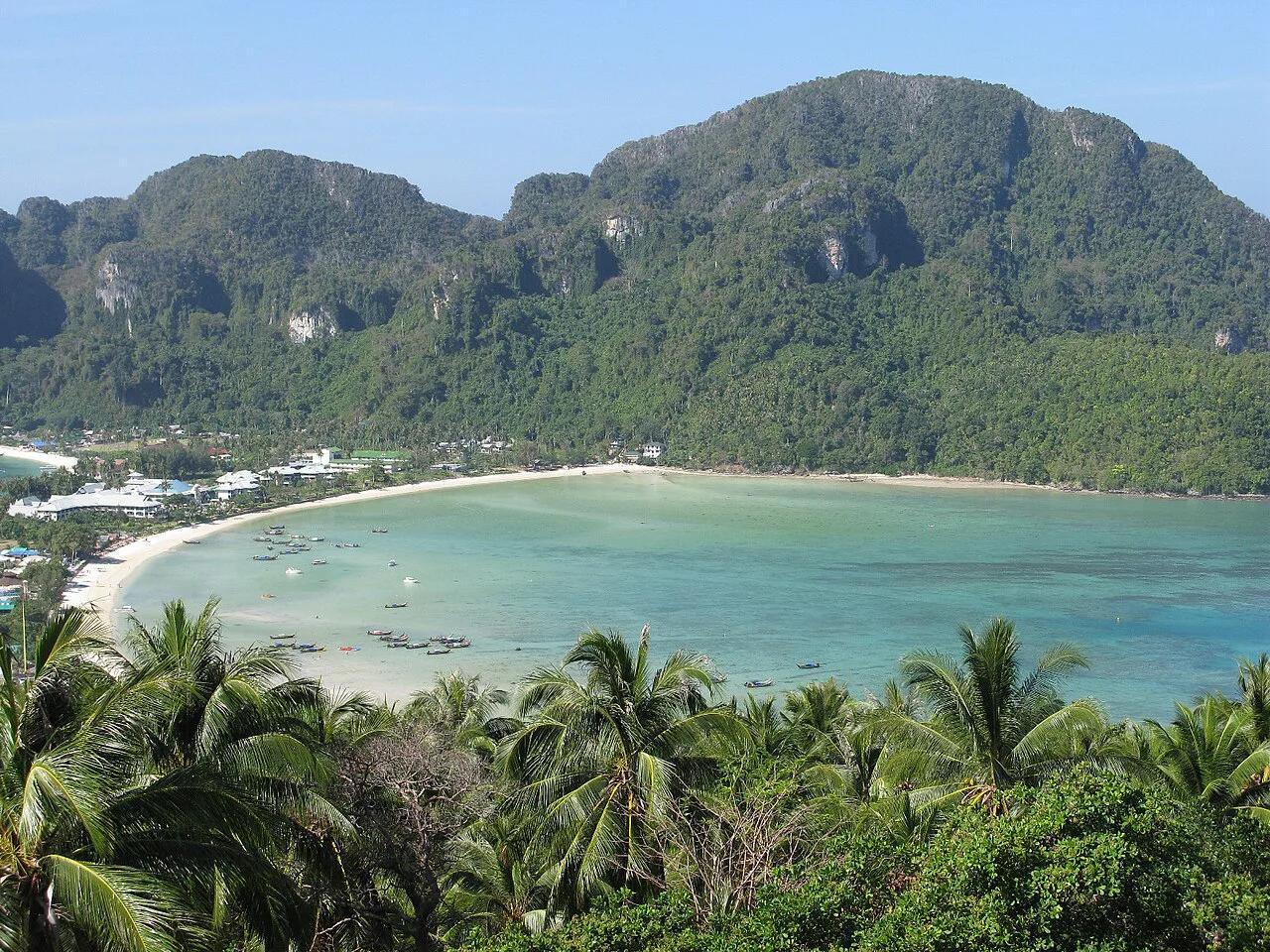
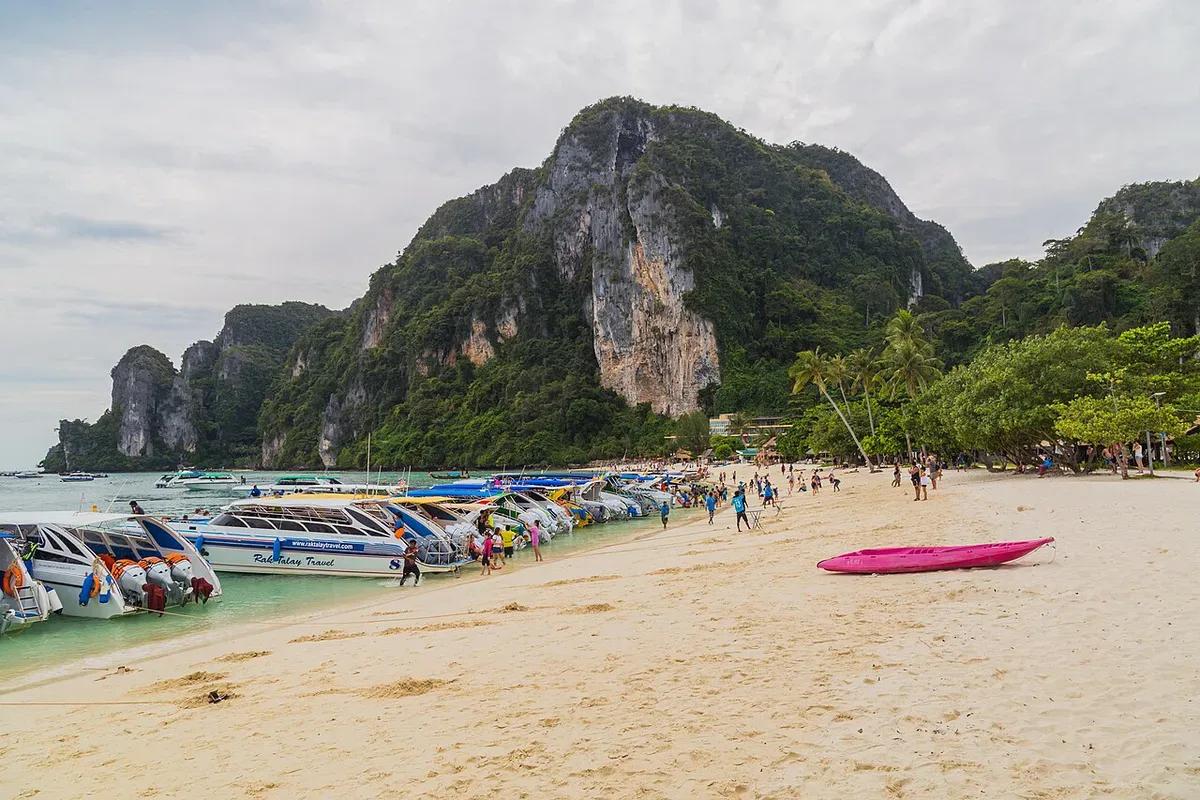
Featured image: Caitriana Nicholson from 北京 ~ Beijing, 中国 ~ China, CC BY-SA 2.0, via Wikimedia Commons.
Phi Phi Water Temperature: The Short Answer
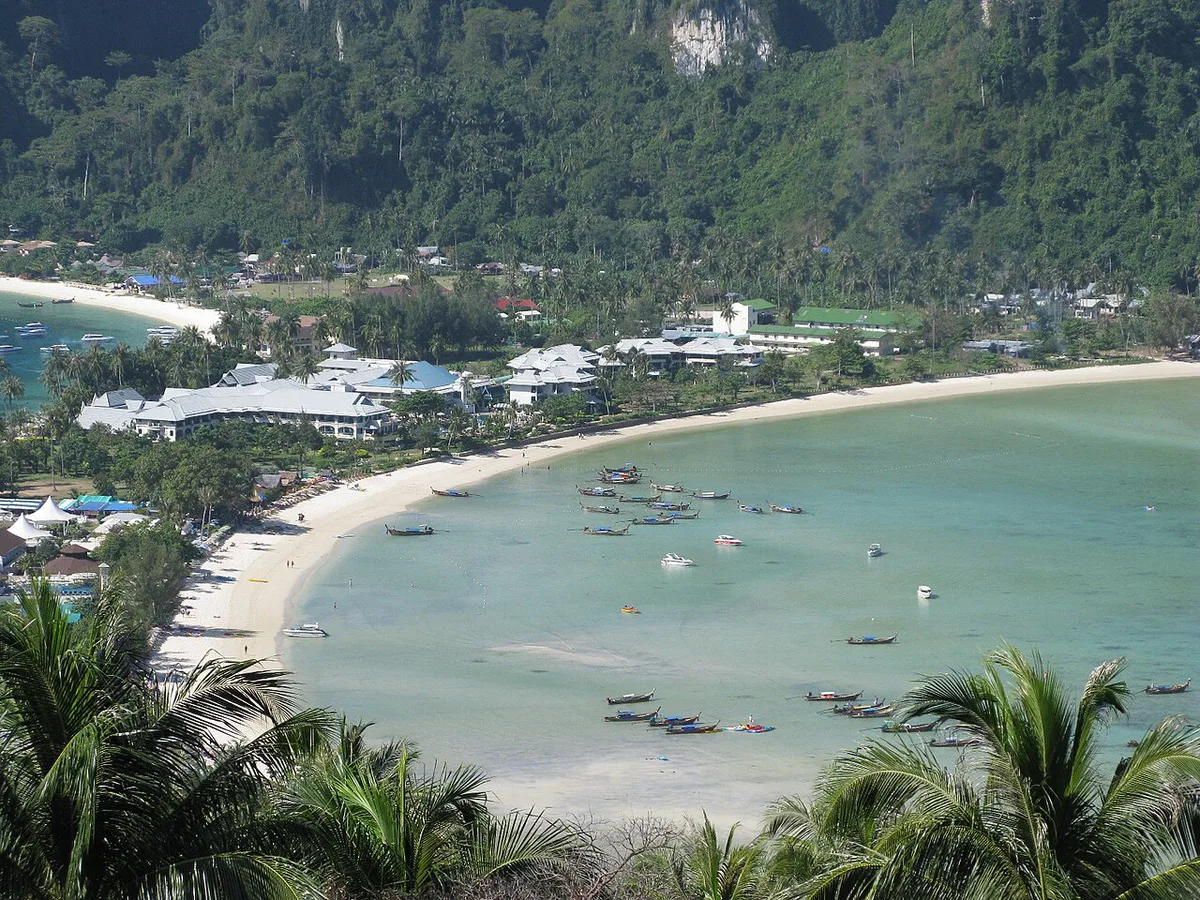
Climate averages put the sea around Phi Phi at about 29°C (84°F) year-round. April is usually the warmest month, at roughly 30°C (86°F). Those are surface figures from buoys, ships and satellites, so treat them as approximate. Even the coolest months stay warm enough to swim without protection. Divers planning a full trip can start at the Phi Phi diving hub. Prices and hours mentioned across this page were checked in November 2026.
Sea Temperature by Month
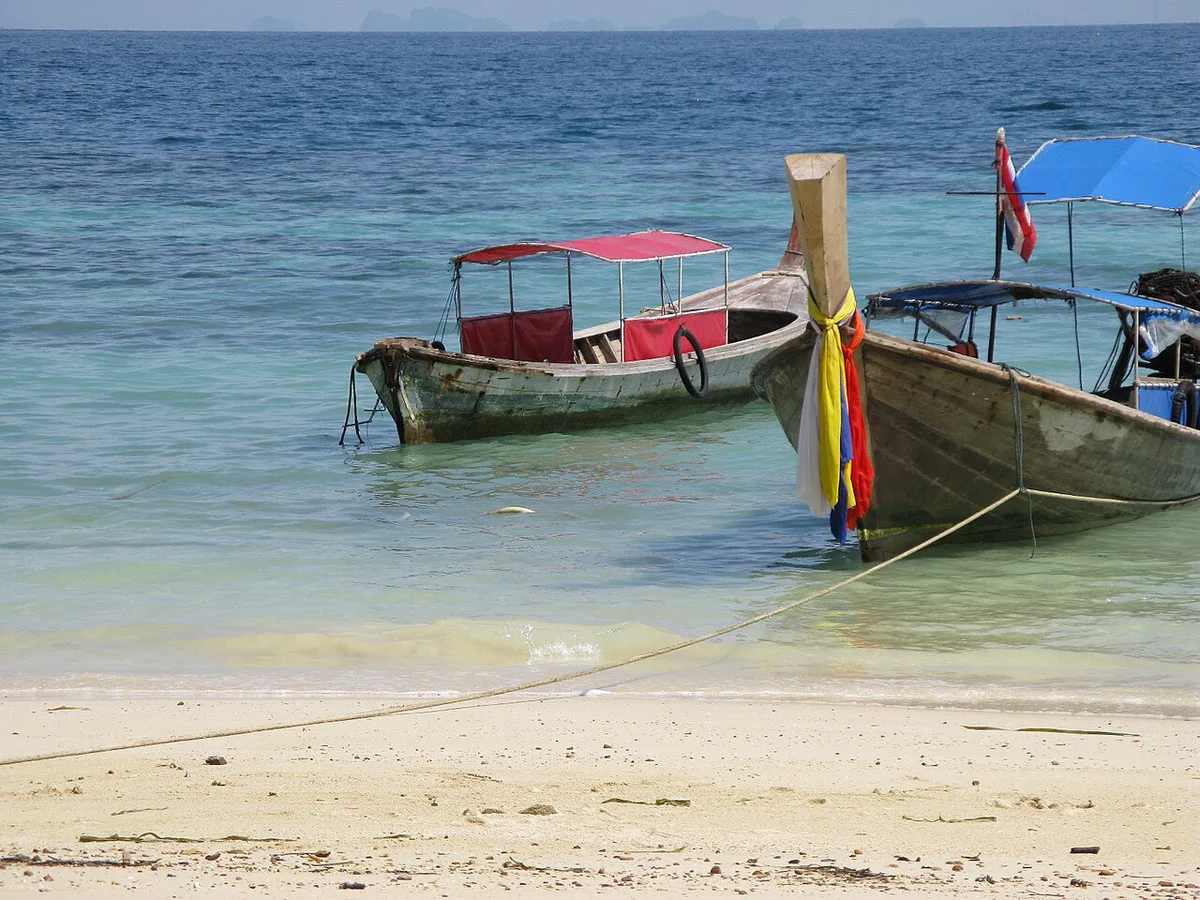
Month-to-month changes in surface temperature are small. Season labels follow local tourism guidance, which sets high season from 1 November to 30 April. Rain is the clearer signal: September averages about 400 mm, the wettest month on climate records. Our month-by-month diving season page covers dive timing in more detail.
| Months | Sea temperature | Sea state tendency | Suits |
|---|---|---|---|
| Nov-Feb | About 29-30°C, typical, varies | Usually flat with mainland or northeast wind | Swimming, snorkeling, diving, tours |
| Mar-Apr | About 30°C, April warmest | Usually calm, hot and sunny | Swimming, diving, island boat trips |
| May | About 29-30°C, typical, varies | Mixed, can resemble high season | Flexible travelers |
| Jun | About 29-30°C, typical, varies | More monsoonal, wet and windy | Sheltered swims, short stays with spare days |
| Jul-Aug | About 29-30°C, typical, varies | Mixed, some days feel like high season | Flexible travelers |
| Sep | About 29-30°C, typical, varies | Wettest month, often windy | Plan spare days for tours |
| Oct | About 29-30°C, typical, varies | Mixed, can resemble high season | Flexible travelers |
Do You Need a Wetsuit at Phi Phi?
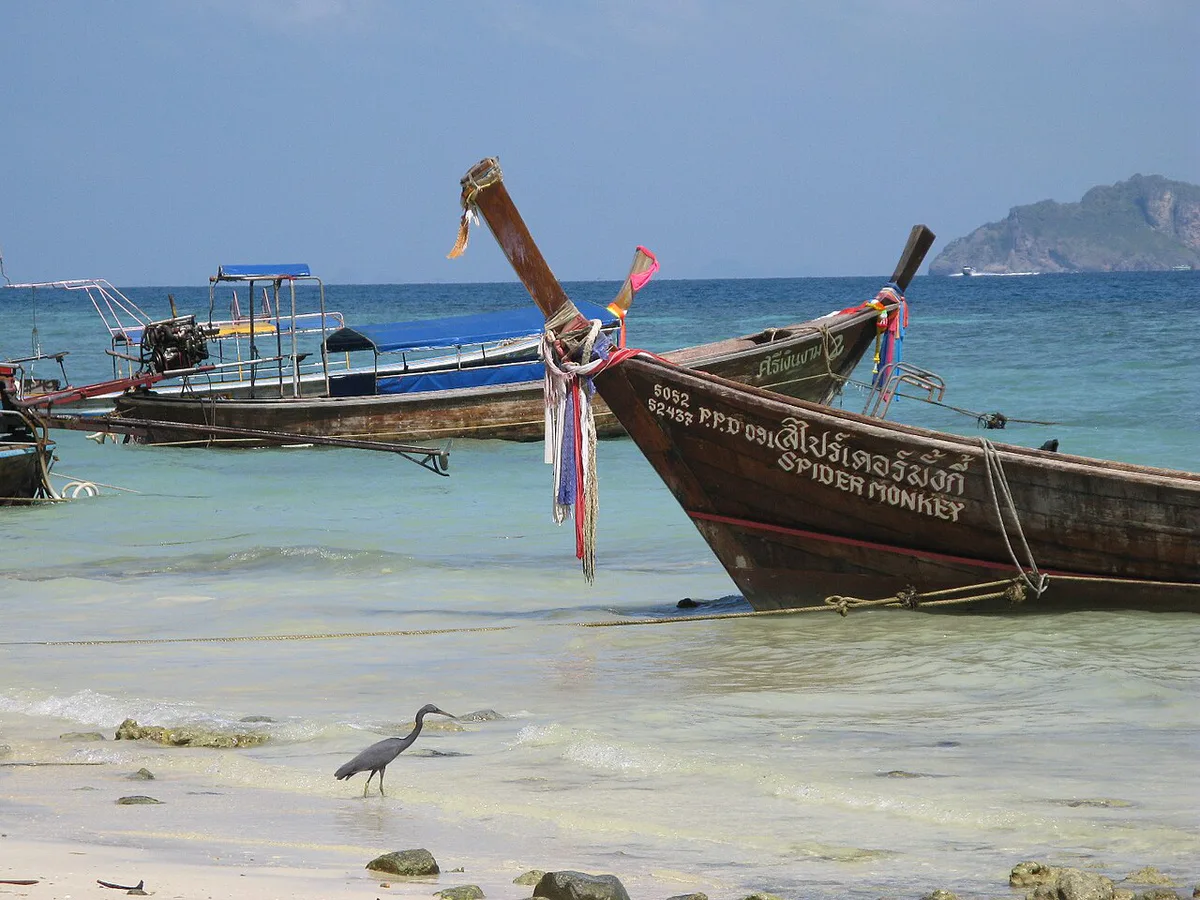
With surface water near 29-30°C, a wetsuit is about comfort and protection, not warmth. A thin suit can help if you get cold easily. It also helps on three or more dives a day or on deeper dives. Depth-specific temperatures vary, so ask your operator what divers are reporting. Snorkelers and swimmers can usually skip one. First-timers can read about the discover scuba diving experience before booking. Course students should see what PADI courses at Phi Phi include. Agency guidance is on the PADI site.
- Cold-sensitive or planning 3+ dives a day: consider a thin suit.
- Snorkeling or one short dive: a rash vest or none is typical.
- Photographers on long, still dives: pack a thin layer.
- Unsure: ask your dive shop what it recommends for that day's site.
Temperature vs. Sea Conditions: What Changes Through the Year
High season, from 1 November to 30 April, usually brings flat water with wind from the mainland or northeast. In low season, wet wind arrives from the Indian Ocean. That open fetch allows larger waves. Local guidance notes that May, July, August and October can feel like high season. June and September tend to be the most monsoonal, wet and windy. Rain mostly changes waves and visibility, and no source we reviewed shows it shifting surface temperature much. For official rain and monsoon outlooks, see the Thai Meteorological Department.
Visibility, Tides and Algae: What Affects the Dive More Than Warmth
Visibility often runs 12-15 m around Phi Phi and reaches 20 m on good days. Remote pinnacles are clearer, often 40 m or more, because they sit far from land runoff. Hin Daeng needs a 45-minute speedboat run south and calm seas to go ahead. Tides about 3 m range stir more sediment around full moon. Diving away from the full moon and away from headlands usually helps. Algae blooms often follow rain and can cut visibility by 30-50%. Compare nearby and remote options on our Phi Phi dive sites page. Sheltered spots such as Bida Nok Diving Guide: Depth, Level, Trips (Phi Phi) and Hin Klang (Hin Klai) Phi Phi: Diving, Snorkeling & Access suit varied conditions. Wall dives such as Palong Wall, Phi Phi: Dive Site Guide, Depth, Level & Access reward the clearer days.
Best Months by Activity
Activity matters more than the thermometer. Match your plans to sea state, then use visibility and tide timing to fine-tune. A 30°C reading on a forecast widget does not mean good diving.
| Activity | Best fit | What to watch |
|---|---|---|
| Swimming | Any month | Wind and swell on exposed beaches |
| Snorkeling | Nov-Apr for flat water | Runoff after heavy rain |
| Diving | Nov-Apr typically | Visibility, full-moon tides, algae |
| Boat tours | Calm months, or lee-side routes | Rough crossings from the mainland |
| Ferries | Any month, with direction in mind | West to east is usually smoother |
Rough-Weather Tips: Ferries, Tours and Sheltered Spots
On windy days, water is typically flat under the cliffs of Tonsai Bay and on the eastern side of Phi Phi Ley. Tall cliffs leave about half the islands in the lee, so tours still run in most conditions. Mainland crossings can feel rough in low season. Local advice is to travel west to east: Phuket to Phi Phi, then Phi Phi to Krabi. Seasick-prone travelers should pick calmer months and sheltered routes. Keep one spare day if your Hin Daeng trip is a priority. Compare operators and rates on our Phi Phi dive shops page. For costs, see Phi Phi diving prices.
Hin Daeng is a 45-minute speedboat run south, so keep a spare day for it if rough seas hit.
How to Check Conditions Before You Go
Forecast sites show model water temperature, waves and wind for a grid point. Nearby weather stations and tide buoys can sit about 36-40 km from Phi Phi, so numbers are approximate. Numbers also differ between tools because each uses its own model, satellite or buoy. Check wave height and wind direction the morning of your trip, and ask your shop about visibility. The Thai Meteorological Department publishes official weather warnings. Mistakes to avoid: booking Hin Daeng without checking sea state, and reading a warm-water figure as a sign of clear water.
Weather stations and tide buoys can sit 36-40 km from Phi Phi, so a forecast widget reading is only a rough guide.
Frequently Asked Questions
What is the current water temperature in Thailand?
Live readings change daily, so check a current forecast or the Thai Meteorological Department. Around Phi Phi, the Andaman Sea typically sits near 29-30°C all year. Expect warm water in any month.
Notes for your next dive trip
Optional updates to our Thai diving guides.
You might also like
Continue reading
More guides you'll find useful