Dive Resorts in Thailand: Best Bases by Coast and Season
Compare dive resorts in Thailand by coast, season, boat transit and diver level. See how resorts, dive shops and liveaboards differ, with costs and logistics.
On this page
Last updated November 2026: the right dive resorts in Thailand depend on coast, month, certification level and whether you want big fish, easy training or a quiet island. Andaman Sea bases such as Phuket, Khao Lak and Koh Lanta reach the Similan Islands and Richelieu Rock, while Gulf bases such as Koh Tao suit learners. Start with the quick-picks table, then use our Thailand diving hub for the wider country picture.
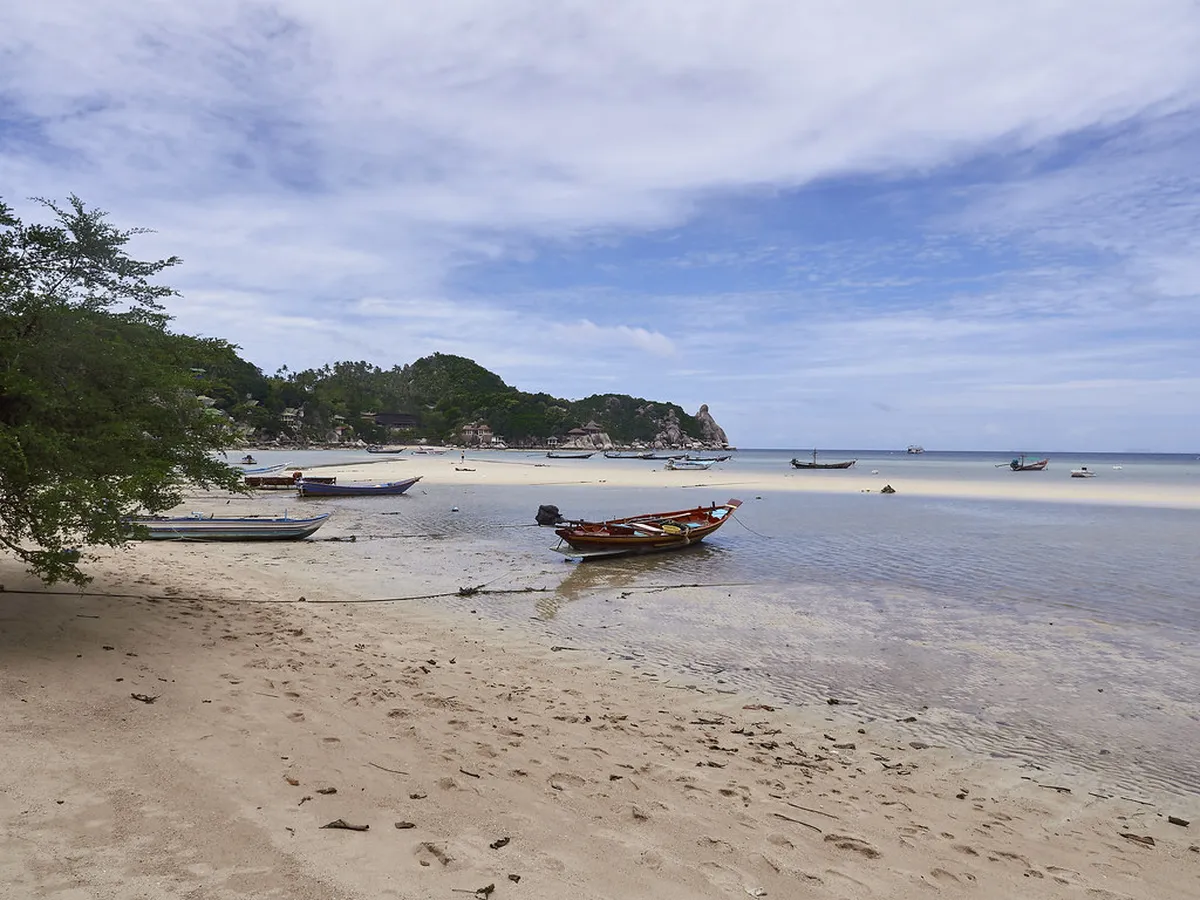
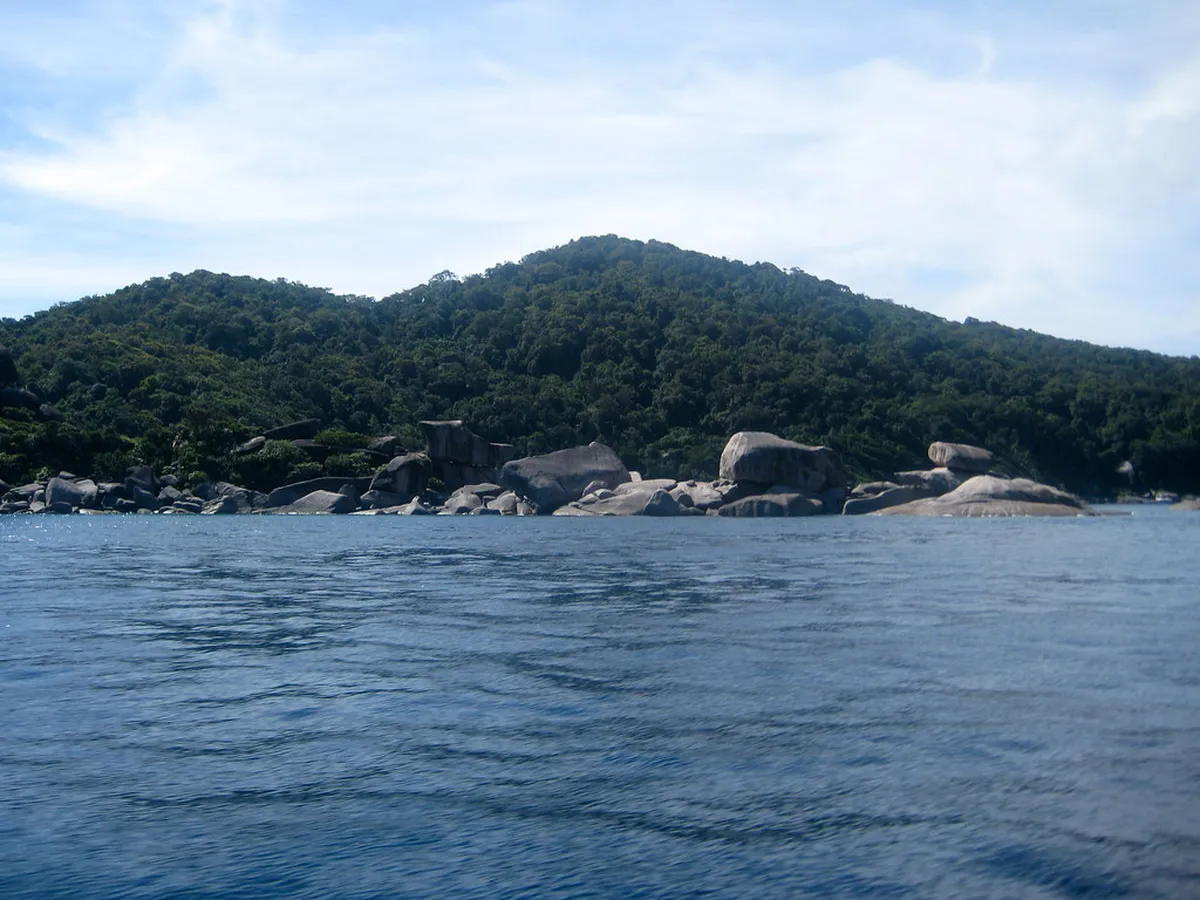
Featured image: Edgardo W. Olivera, CC BY 2.0, via Flickr.
Quick Picks: Best Dive Resort Base by Diver Type
Match the base to your priority before comparing individual resorts. Offshore islands such as the Similans sit on the Andaman side, so big-fish trips and learner-friendly bases usually point to different coasts. For a destination-level overview of sites rather than bases, see our guide to the Best Diving in Thailand: 6 Top Regions, Seasons & Who Each Suits.
| Diver type | Base to shortlist | Why |
|---|---|---|
| First-timer or learner | Koh Tao | Many schools on one island and a Gulf coast less hit by the southwest monsoon |
| Certified diver wanting big fish | Phuket or Khao Lak | Day boats and liveaboards reach the Similans and Richelieu Rock |
| Quiet, small-group diving | Koh Lanta | Quieter island with Koh Haa and Hin Daeng in range |
| Budget, high-volume training | Koh Tao | Reviewers describe cheap, student-heavy diving |
| Resort-style stay | Khao Lak or Phuket | Hotels with dive desks; check how the dive operation is run |
| Short add-on to a Bangkok trip | Hua Hin or Chumphon | Shorter hop from the capital with fewer crowds |
Dive Resort vs. Dive Shop plus Hotel vs. Liveaboard
Three setups cover most Thailand dive holidays. The right one depends on how far you want to travel to the sites and how much flexibility you need. Our Thailand dive trip planner goes deeper on liveaboards. Cost differences are broken down in the Cost of Diving in Thailand: Dives, Courses and Trips.
- Dive resort: on-site school, short walk to the boat, easy for courses and non-diving partners. Some resorts book space on larger shared vessels instead of running their own boat.
- Dive shop plus hotel: more choice of accommodation and operators. Confirm pickup and who handles gear, tanks and nitrox.
- Liveaboard: the most dives per day and the only practical way to reach far offshore sites such as Richelieu Rock. You give up flexibility and face rough-sea days with no hotel to retreat to.
- Transfer time matters most for day-boat setups. A base 25–30 minutes from its nearest sites feels very different from one with a two-hour run.
Andaman Sea Bases: Phuket, Khao Lak, Phi Phi, Krabi, Koh Lanta and Koh Lipe
Andaman bases give access to the country's best-known offshore diving. Our Andaman Sea diving guide covers the coast in detail. Browse site profiles in the 8 Best Dive Sites in Thailand by Coast and Season list.
Hin Daeng sits 60–70 minutes from Koh Lanta, but that run means little when Andaman offshore islands close roughly May to October.
- Phuket: day trips run to Phi Phi, the King Cruiser wreck, Anemone Reef and Shark Point, often combined into a three-site day. Chalong Pier is a common boarding point for liveaboards.
- Khao Lak: the usual mainland gateway for the Similan and Surin Islands. One reviewer described a roughly two-hour boat ride from the Khao Lak jetty that can be rough.
- Phi Phi and Krabi: a reviewer reported that most Krabi-based diving takes place at Koh Phi Phi, about an hour by boat.
- Koh Lanta: a quieter island. Dive & Relax, a local operator, lists about 25–30 minutes to Koh Haa and 60–70 minutes to Hin Daeng and Hin Muang, with boats capped at 10 divers.
- Koh Lipe: reviewers describe relaxed diving from Sunrise Beach operators. Check which sites your operator reaches and whether it runs in your month.
Gulf of Thailand Bases: Koh Tao, Koh Samui, Chumphon and Hua Hin
Gulf bases are strongest for training volume and calm conditions. Our Gulf of Thailand diving guide compares them in more depth. Koh Tao is the main training hub, and Sail Rock is the signature site for divers based on Koh Tao or Koh Samui. One reviewer called Koh Tao cheap and student-heavy, and said boats can feel crowded. Another reported that Ban's Dive Resort runs mainly on diver training. Learners get a wide choice of schools and languages in return. For a quieter mainland option, read about Chumphon Diving: Sites, Season, Costs & Pinnacle Guide. A short trip from Bangkok is easier on Hua Hin dive options. Divers combining the Andaman coast with the Myanmar border can also look at Ranong dive trips.
Season Matrix: Which Coast, Which Month
Season drives the whole decision. Popular Andaman offshore islands close roughly May to October, when the southwest monsoon brings rain and rougher seas. The Similan and Surin liveaboard season runs roughly October to May. Whale sharks at Richelieu Rock are mostly reported from February to May. Gulf diving is largely unaffected by the southwest monsoon, but the northeast monsoon makes November the wettest month around Samui. Park closure dates shift by year, so check the Department of National Parks before booking.
| Period | Andaman (Phuket, Khao Lak, Lanta) | Gulf (Koh Tao, Samui) |
|---|---|---|
| Nov–Jan | Offshore season under way; clear skies | Northeast monsoon; November wettest around Samui |
| Feb–May | Whale shark window at Richelieu Rock; offshore trips running | Generally workable |
| May–Oct | Offshore islands largely closed; rougher seas | Least affected by the southwest monsoon |
Beginner and Course-Friendly Resorts
Learners should judge the school, not the pool. A Discover Scuba dive is normally depth-limited. One Koh Lanta operator caps it at 12 m (about 40 ft). The same operator keeps Open Water groups to 2 or 3 students per instructor. Use that as a benchmark when comparing schools. Ask about student-to-instructor ratio, boat size and certifying agency. You can search accredited centers through the SSI dive center locator. PADI also lists dive centers and resorts for its own network.
Advanced, Wreck, Cave and Tech Options
Experienced divers should pick a base for the specialty. Phuket day trips pair the King Cruiser wreck with Anemone Reef and Shark Point. Start with our wreck diving in Thailand guide. Overhead environments need different training, so read cave diving in Thailand first. Technical divers can check technical diving options and the standards at TDI technical diving.
Costs and Value
Compare options per dive day, not per night. A resort night is the cheapest line item for a learner on a package. A day-boat package adds roughly two to three dives. Liveaboards cost more per day but include meals, accommodation and extra dives. Courses sit on top of everything else. Cost swings mostly with season, boat size and group size. Operators sometimes offer small online discounts. One Koh Lanta operator lists 10% off online bookings. Quoted rates go stale quickly, so get current baht prices from the operator. Our Thailand diving cost breakdown shows what each line typically includes.
How to Get There and Around
Transfers cause more trouble than dives. Reviewers have reported a Phuket pickup mix-up, a Koh Tao relay-transfer no-show and a long transfer to Tap Lamu pier. Get your transfer confirmed in writing, with pier name and time. Decide whether you land at a mainland airport or an island airport, then add ferry timing. Island ferries do not run on every sea day. Build in a spare night before any international flight home.
How to Vet a Dive Resort
Check the fundamentals before paying a deposit. Treat individual reviews as anecdotes, not verdicts.
Boats on Koh Tao can feel crowded, so ask whether a 10-diver limit applies before you commit to a school there.
- Boat size and diver cap: smaller boats mean less crowding, as some Koh Lanta operators advertise a 10-diver limit.
- Own boat or booked space on a larger vessel.
- Guide ratio and briefing quality.
- Equipment and air quality: one reviewer reported bad air on a Phuket liveaboard.
- Emergency oxygen on board and diver insurance coverage. Divers Alert Network offers dive insurance and safety guidance.
Common Mistakes to Avoid
Booking offshore islands in the closed season is the most common error. Picking a base for its site list while ignoring transit time comes second. Many divers assume the Similans are an easy day trip, when they are a long run from the mainland. Short stays with no weather buffer leave you stranded by one rough day. Finally, flying too soon after diving is dangerous. Follow your dive computer and the preflight guidance from DAN.
Frequently Asked Questions
Where's the best place to scuba dive in Thailand?
For big fish, base yourself on the Andaman side at Phuket or Khao Lak and book Similan or Richelieu Rock trips between roughly October and May. For learning, Koh Tao in the Gulf has the most schools. Koh Lanta suits quieter small-boat diving.
Notes for your next dive trip
Optional updates to our Thai diving guides.
You might also like

Continue reading
More guides you'll find useful