Diving Thailand in September: Where It Works & Where It Doesn't
Is September a good month to dive Thailand? See which Andaman and Gulf areas are diveable, what's closed, and how to plan around the rainy season.
On this page
Last updated November 2026: diving Thailand in September mostly means diving the Gulf, because the big Andaman marine parks are shut for the monsoon. Koh Tao and Koh Samui stay open to operators, and Phuket still runs day boats to sheltered sites. Start with our overview of the Best Time to Dive Thailand: Month-by-Month Guide, then use this page to decide where your September dates fit.
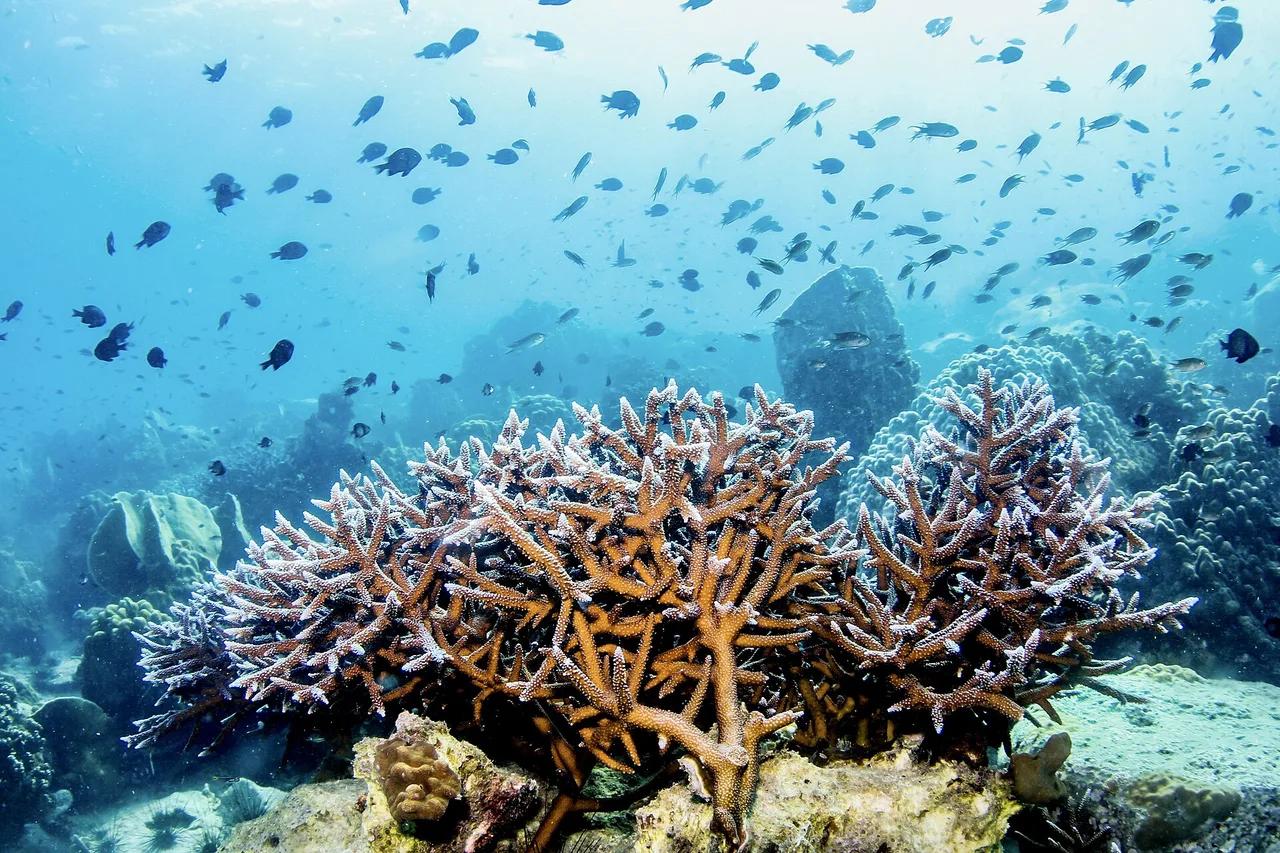
Featured image: Jukka from HELSINKI, Finland, CC BY 2.0, via Wikimedia Commons.
Is Diving Thailand in September Worth It?
Yes, if you choose the right coast and accept weather risk. September is part of the Andaman low season, and the southwest monsoon runs from May to October. Rain, swell and cancelled boats are all normal. Sites that need a long open-water crossing are the first to go.
The Gulf of Thailand is the usual fallback. Koh Tao, Koh Samui and Koh Phangan operators keep running, and Koh Tao is built around training dives. Divers chasing Similan or Richelieu Rock headlines should pick another month.
- Andaman: Similan and Surin parks closed to divers; Phuket day boats limited to sheltered sites
- Gulf: Koh Tao and Koh Samui operators open
- Weather: rain and rough seas are common on the Andaman side
- Best fit: course students, macro fans and flexible travelers
September Conditions: Rain, Swell and Visibility
On the Andaman coast, the southwest monsoon pushes wind and swell in from the Indian Ocean. Operators there describe the end of the rainy season, September and October, as the wettest stretch. Storms can cancel boats for a few days, though dry and sunny days still appear between the squalls.
Sheltered sites matter in this month. Operators describe the east sides of Racha Yai, Racha Noi and the Phi Phi Islands as protected from wind and waves. Water stays warm all year. Our Thailand water temperature guide covers the numbers by month.
Do not assume the Gulf is always flat. Its rough season typically starts around November, so September is usually the calmer side. Visibility changes with plankton and recent rain at any site.
Region-by-Region Verdict for September
Use this table to match your goals to a coast. Conditions are general, not forecasts.
| Area | September status | Best fit | How it is dived |
|---|---|---|---|
| Phuket, Phi Phi, Racha | Open on sheltered sites; cancellations likely in rough weather | Flexible divers, fun dives | Day boat |
| Similan, Surin, Richelieu Rock | Closed to divers | Pick another month | Liveaboard in season |
| Koh Lipe | Status unclear; ask operators directly | Divers who can adapt | Day boat |
| Koh Tao, Samui, Sail Rock | Open | Students, macro fans, pinnacle divers | Day boat or resort |
| Pattaya | Open; wrecks suit advanced divers | Short trips from Bangkok | Day boat |
What's Closed in September (and What Isn't)
Mu Ko Similan and Mu Ko Surin are national parks, and the Department of National Parks controls their seasons. Surin liveaboards mostly run from October to early May. Park access stays closed to divers for the rest of the year. Operators also report Koh Bon, Koh Tachai and Richelieu Rock as closed in the low season.
Exact opening dates shift by year, so ask your operator for the current notice before paying a deposit. Phuket diving itself continues year-round. Gulf operators at Koh Tao and Koh Phangan are not affected by the Andaman park closures.
Best Dive Sites to Target in September
On the Andaman side, aim for east-facing, sheltered sites near Phuket. Racha Yai, Racha Noi and Phi Phi dive sites fit that profile when the sea allows. Shark Point and Anemone Reef are reachable from Phuket by day boat, but a rough day can cancel them. Hin Daeng and Hin Muang need calm seas and suit advanced divers because of current.
In the Gulf, Chumphon Pinnacle off Koh Tao is covered in pink anemones. Sail Rock sits close to Koh Samui and has a vertical swim-through called the chimney. Experienced divers with good buoyancy control suit that one best.
Marine Life You Can Realistically Expect
Treat big animals as bonuses. Whale sharks turn up at Chumphon Pinnacle and Sail Rock when plankton lines up, but no sighting is guaranteed. Manta rays are mostly an Andaman high-season story, so September is a poor month for them.
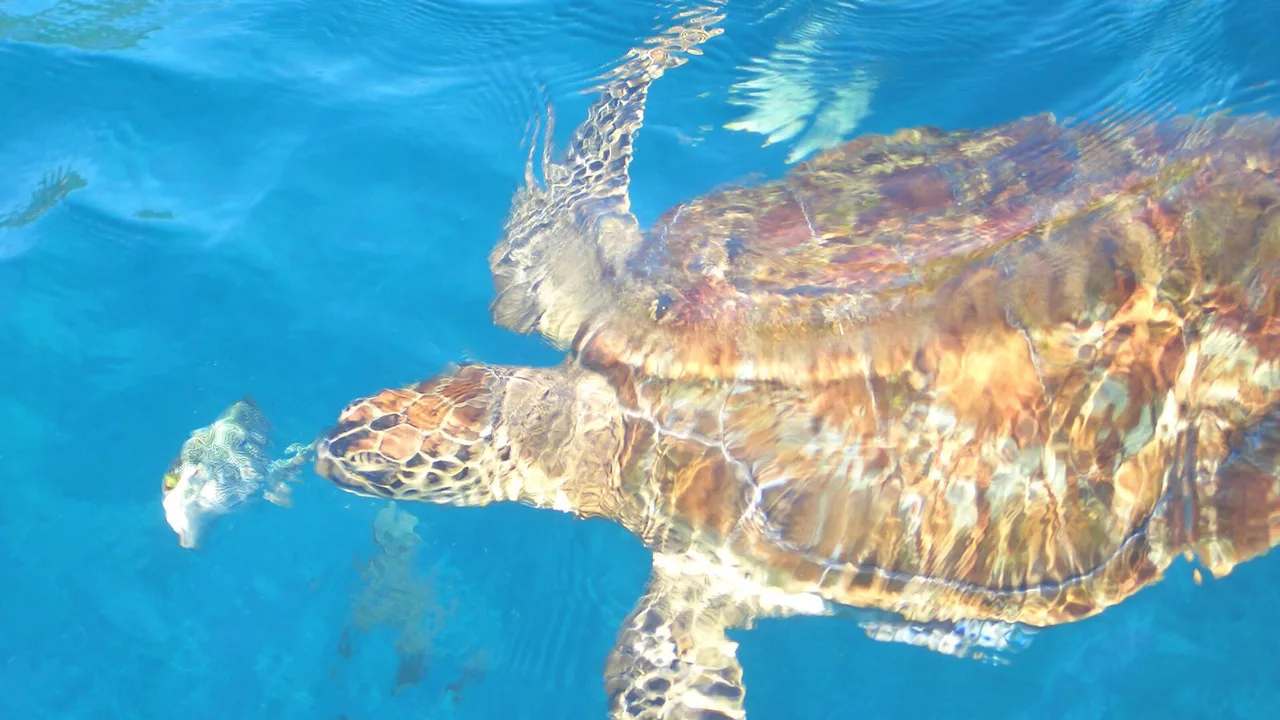
Leopard sharks are possible around Phuket and Phi Phi. Some operators say fewer divers in the water means shyer animals show themselves more often. Treat that as an operator claim. Koh Tao is better known for turtles, barracuda and macro life such as nudibranchs, shrimp and crabs.
Day Boat vs. Liveaboard vs. Resort in September
September narrows your options more than it does in peak season. Similan liveaboards are off the menu, so the real choice is between day boats and resort packages.
| Option | Cost level | Flexibility | Weather risk |
|---|---|---|---|
| Day boat from Phuket | Mid | High; swap sites daily | High on exposed sites |
| Resort or dive school on Koh Tao | Low to mid | High; many sites nearby | Lower than Andaman |
| Liveaboard | Varies | Low once at sea | High; few Andaman trips run |
Costs, Cancellations and Booking Strategy
Low season is cheaper and quieter. Phuket rooms, flights and dive trips are often discounted compared with peak months. Boats carry fewer divers, and dive sites feel less crowded. Prices and hours checked November 2026 are not listed here, so request a current quote from each operator.
Before paying a deposit, ask four questions.
- What happens if the boat cancels for weather?
- Is the deposit refundable or transferable to another date?
- Does the operator offer a backup site on the sheltered side?
- Does your dive and travel insurance cover weather cancellations?
Getting There and Around
No sourced ferry timetables or transfer times are available for this page. Check the ferry operator and your dive center for current September schedules, and avoid tight same-day flight connections.
Gear, Training and Safety Considerations
Koh Tao suits Open Water and Advanced courses in September. Sheltered reefs and easy conditions help new divers, and training schools dominate the island. A thin tropical wetsuit is enough in the warm water. Seasickness tablets are worth packing for boats on the Andaman side.
Carry a surface marker buoy and know how to use it. Choppy water makes surface skills matter more, so rehearse them before the trip. Confirm that your insurance covers diving.
Who Should Go (and Who Should Pick Another Month)
Go in September if your dates are fixed and you want Gulf diving or a course. Pick another month if Similan, Surin or Richelieu Rock is the point of the trip. Read about diving Thailand in August for the previous month's conditions.
Operators put the Andaman season from October to early May. Our October diving guide shows what that shift looks like. Return to the month-by-month dive planner if you can still move your dates.
Frequently Asked Questions
Is September a rainy season in Thailand?
Yes, on the Andaman side. The southwest monsoon runs from May to October, and operators describe September and October as the wettest months. The Gulf is typically calmer in September.
When not to visit Koh Tao?
Koh Tao's rough weather typically starts around November, when visibility drops and heavy rain can arrive. By December conditions usually settle again. September is generally a workable month for diving there.
Notes for your next dive trip
Optional updates to our Thai diving guides.
You might also like

Continue reading
More guides you'll find useful