Koh Lanta Whale Shark: Where, When & Realistic Odds
Can you see whale sharks from Koh Lanta? Compare Hin Daeng, Hin Muang and Koh Ha, the best months, costs, and how to improve your odds.
On this page
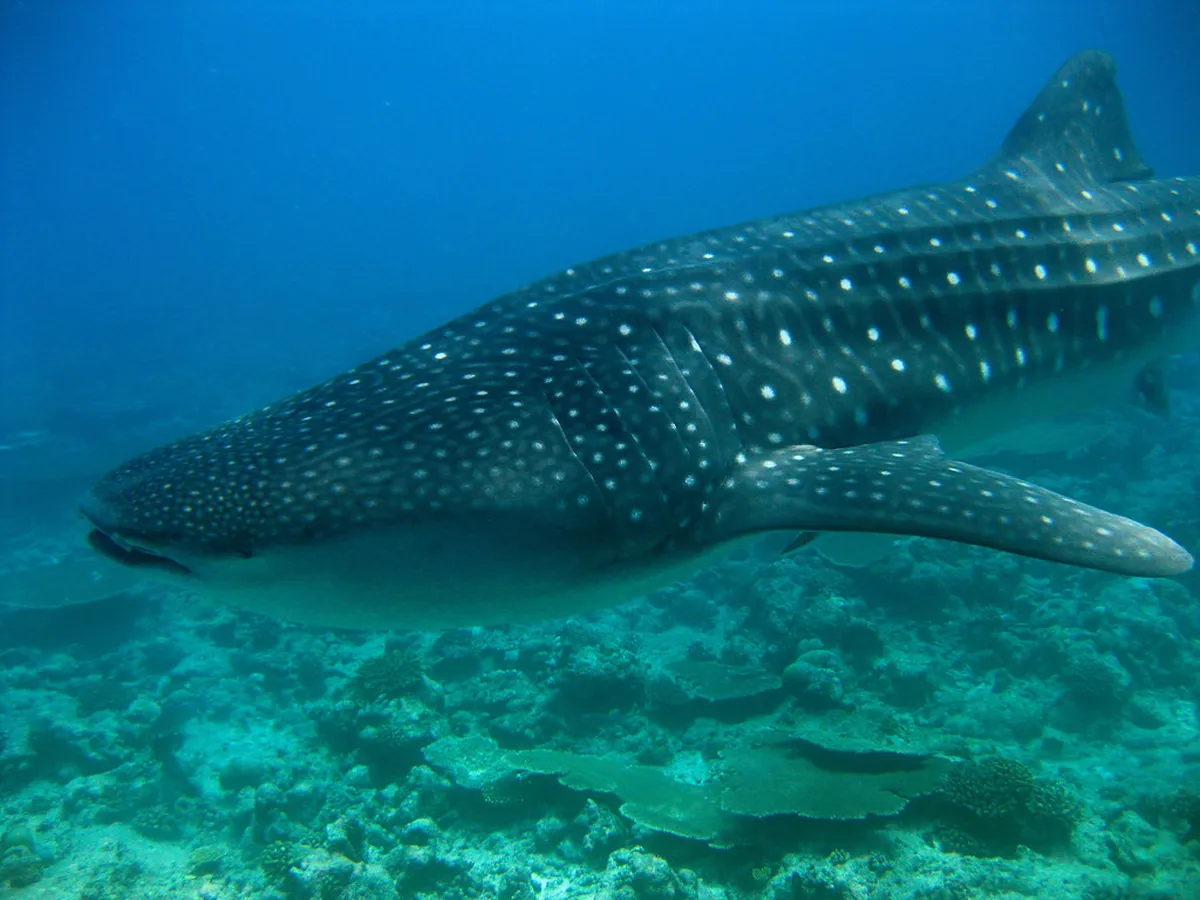
Last updated November 2026: a Koh Lanta whale shark sighting is possible, but no operator can promise one. Divers and dive centers name Koh Ha, Hin Muang and Hin Daeng as the offshore sites where one occasionally passes. Start with our Koh Lanta dive guide for the wider picture, then use this page to set realistic odds and budget.
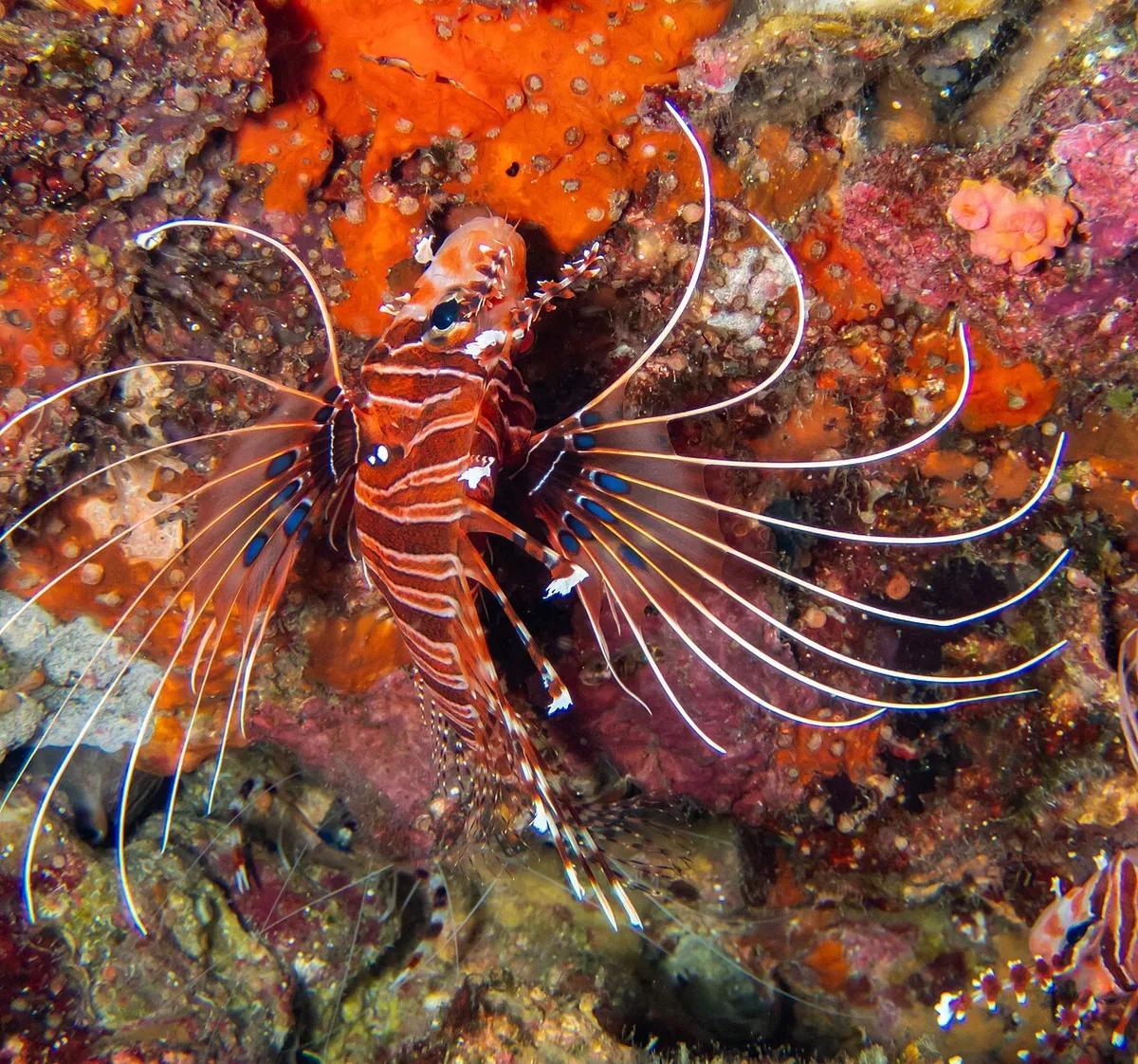
Featured image: Christian Steen, CC BY 2.0, via Flickr.
Can You See Whale Sharks From Koh Lanta?
Yes, but treat it as a lucky bonus, not a plan. No site off Lanta offers a dependable whale shark encounter. Hin Muang, Hin Daeng and Koh Ha are the three dive sites where sightings are reported. March and April carry the best reputation inside a dry season that runs from November to April. Ignore any trip that sells a guaranteed shark.
Where a Koh Lanta Whale Shark Is Reported
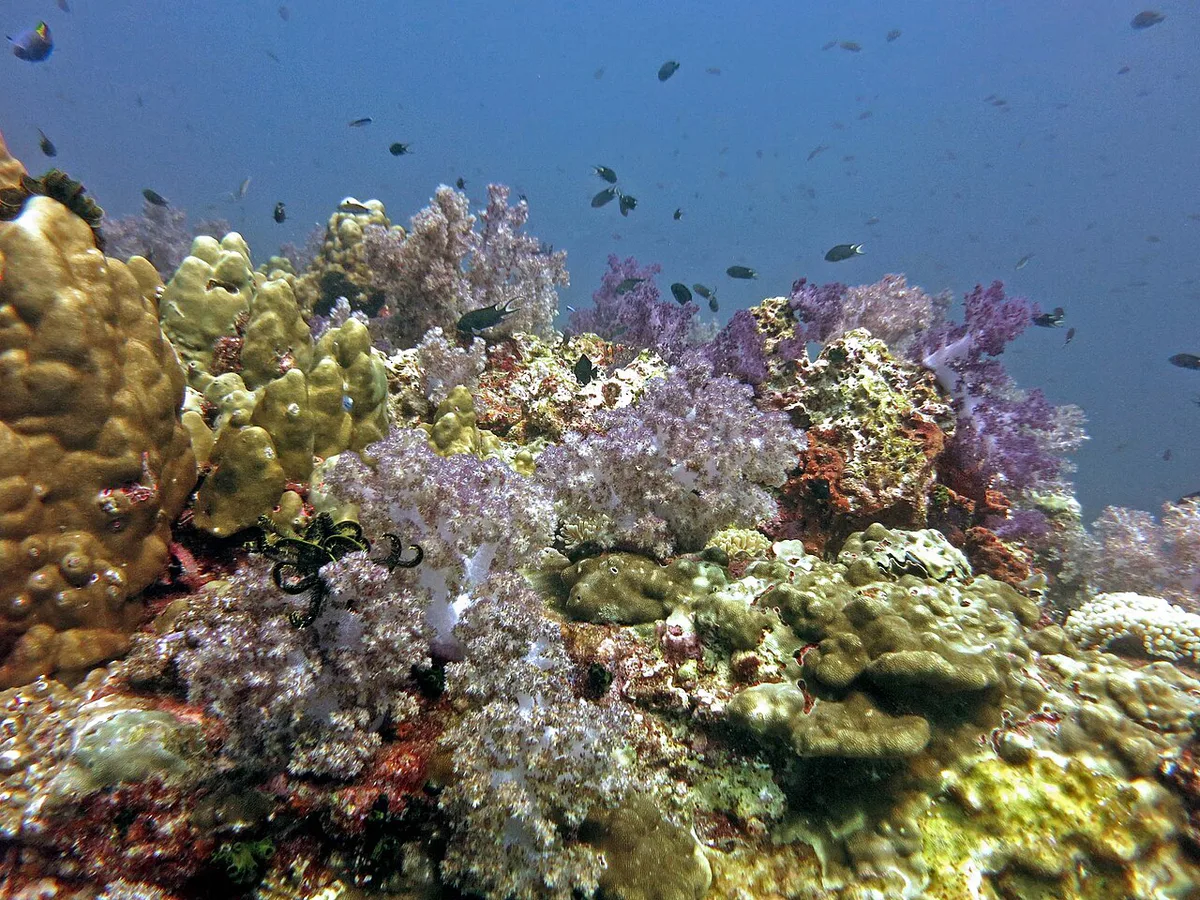
Hin Muang is a long pinnacle that drops from 8 m to about 70 m along a wall of purple soft coral. Divers describe it as one of the better Thai sites for pelagics, though sightings there are occasional. Hin Daeng reaches roughly 45 m and sits in the same open-water setting. Both have medium to strong current. Koh Ha is calmer and suits a wider range of divers. A Lanta dive center's 2020 post described one whale shark there, which is a single anecdote rather than a pattern. That post also noted guitar shark sightings at Koh Ha and Hin Bida. Compare all the boat destinations in our guide to Lanta's offshore dive sites. Read the full profile of the Hin Daeng pinnacle before you choose. The Hin Muang wall has its own page too. For the gentler option, see the Koh Haa lagoons.
| Site | Depth | Current | Minimum level | Fuel surcharge | Whale shark odds (editorial view) |
|---|---|---|---|---|---|
| Hin Muang | 8–70 m | Medium to strong | Advanced Open Water | ฿500–700 | Occasional; a top Thai site for pelagics but no pattern |
| Hin Daeng | About 45 m | Medium to strong | Advanced Open Water | ฿500–700 | Occasional; luck-dependent |
| Koh Ha | Ask your operator | Calmer | Suits a wider range of divers | ฿300–500 | One anecdotal report from 2020; treat as rare |
When to Go: Month-by-Month Odds
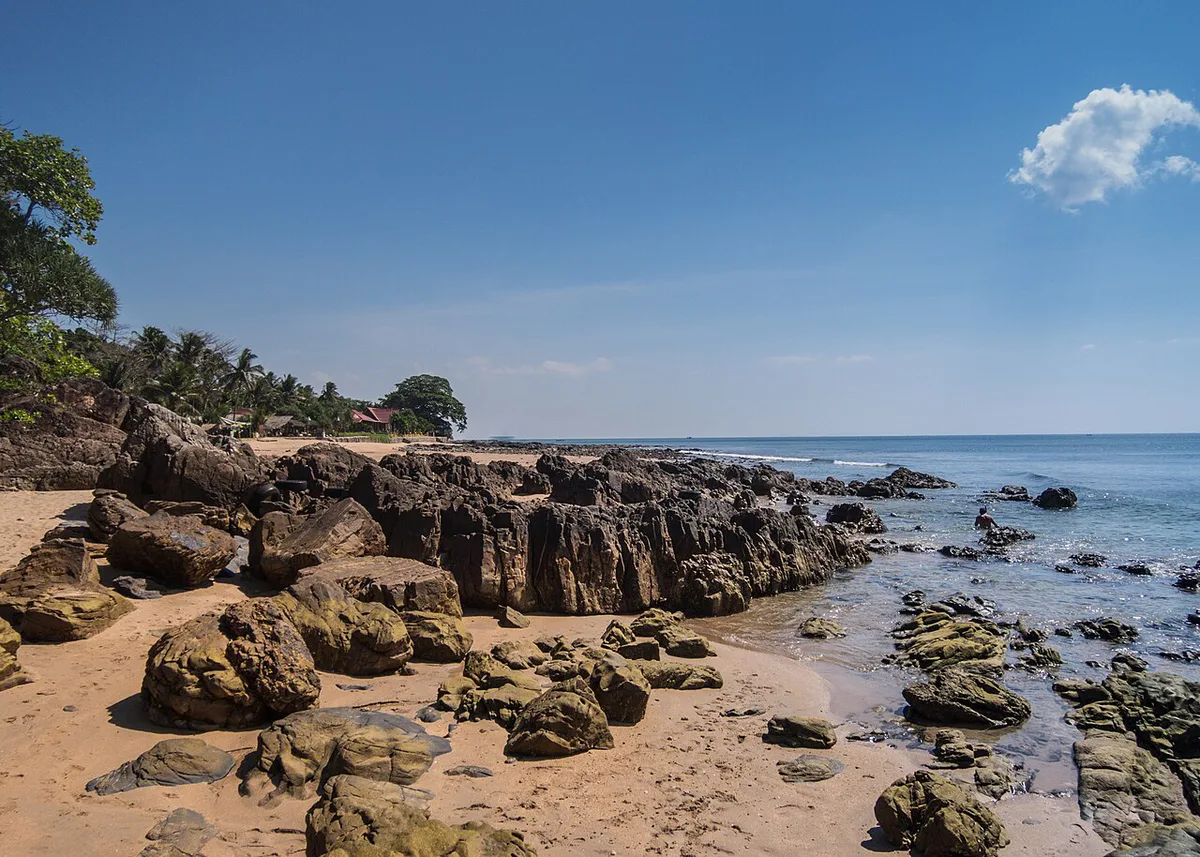
Prime season runs November to April. November to February brings calm seas and good visibility, which suits relaxed fun diving. March and April bring the warmest water of the year and the strongest reputation for whale sharks and manta rays. May to October is the southwest monsoon, with rougher seas and less predictable visibility. Closure dates matter more than any odds. One set of figures lists Ko Rok, Ko Ha and Hin Daeng as closed 1 July to 30 September. Another says Mu Ko Lanta National Park typically closes from mid-May to mid-October. Those windows overlap, so ask your operator and the national park authority for the exact dates in your travel year. Our page on the diving season month by month expands on this. For warmth and exposure suits, check seasonal water temperatures.
- November to February: calm seas, strong visibility, lowest chance of a rough crossing.
- March to April: warmest water and the best reputation for big marine life.
- May to October: southwest monsoon, rougher seas, shorter offshore season.
Who Can Realistically Go: Certification and Experience
Hin Muang and Hin Daeng are rated Advanced Open Water, mainly for depth and current. Koh Ha is the easier choice for newer divers. Many divers check the PADI Advanced Open Water requirements before booking the long boat days. You can upgrade on the island if you only hold Open Water. Compare options on PADI courses on Lanta. Certified divers who want a flexible day can look at fun diving trips. Check your dive insurance as well. Many divers use Divers Alert Network for accident cover.
| Your level | Realistic offshore options | Whale shark outlook |
|---|---|---|
| Open Water diver | Koh Ha; local sites | Possible but rare |
| Advanced Open Water diver | Hin Muang, Hin Daeng, Koh Ha | Best available odds, still luck |
| Non-diver | No sourced option | No evidence of dependable sightings |
Cost of a Whale Shark-Hopeful Day
Two fun dives from Lanta have been quoted at ฿3,300–3,600 in 2024/2025, including equipment, tanks, weights, guide and lunch. Hin Daeng and Hin Muang add a fuel surcharge of ฿500–700. Koh Ha and Ko Rok add ฿300–500. Local sites carry none. The national marine park fee is ฿600 per diver per day, paid in cash. You pay it whether or not a shark appears. Add those lines together and a Hin Muang or Hin Daeng day runs ฿4,400–4,900. Current quotes may differ, so ask for the full figure upfront. Compare shops with our notes on choosing a dive center. For one example operator, see Phoenix Divers' trip details.
- Hin Daeng or Hin Muang day: ฿3,300–3,600 dives + ฿500–700 surcharge + ฿600 park fee = ฿4,400–4,900.
- Koh Ha day: ฿3,300–3,600 + ฿300–500 + ฿600 = ฿4,200–4,700.
- Local sites day: ฿3,300–3,600 + ฿600 park fee = ฿3,900–4,200.
- Three offshore days at Hin Daeng or Hin Muang: ฿13,200–14,700.
How to Improve Your Odds (and What to Avoid)
Odds improve by exposure, not by trick. Ask each shop what its boats saw in the past two weeks. Aim for March or April. Book several offshore days instead of one, because three dives at Hin Muang or Hin Daeng give three chances. Choose a shop that runs these sites regularly, since a dive guide who knows the current and the usual pelagic routes will place you better. Never accept a guarantee in writing or verbally. Sharks do not follow schedules, and a trip that finds none is still a normal day of diving with a park fee.
Booking several offshore days multiplies the spend, so three Hin Daeng or Hin Muang days total ฿13,200–14,700 before any shark appears.
- Mistake: booking one offshore day and expecting a shark on cue.
- Mistake: treating a single 2020 Koh Ha anecdote as a seasonal pattern.
- Mistake: ignoring closure dates and booking into the monsoon window.
Snorkeling or No Certification?
The evidence here is for divers only. Hin Muang and Hin Daeng are deep, current-swept pinnacles far offshore, and no source shows dependable snorkel sightings from Lanta. Non-divers should plan for other marine life instead, and put any whale shark hope on the diving days only.
Responsible Encounters
Stay neutrally buoyant so you never touch coral or the bottom. Do not touch, chase or block the shark's path. Let the animal choose its direction and keep a respectful gap. Follow every briefing from your guide and the national park rules. Use reef-safe sunscreen or UV clothing, and pick up small debris when it is safe to do so.
Getting to Koh Lanta and Where to Base Yourself
The usual route is a flight from Bangkok to Krabi, about 1.5 hours. Klong Jilad Pier is around 15 km from the airport. A ferry from there to Lanta takes 1–2 hours depending on sea conditions. An overnight bus or minivan from Bangkok takes 10–12 hours. Combination tickets bundle the legs. Base yourself near your dive shop's pier or pickup point, because offshore boats leave early and a long morning transfer eats into rest before deep dives.
Check the 1–2 hours depending on sea conditions against the May to October monsoon, when seas run rougher.
Notes for your next dive trip
Optional updates to our Thai diving guides.
You might also like
Continue reading
More guides you'll find useful