Krabi Bioluminescent Plankton: Where, When and How
Where and when to see bioluminescent plankton in Krabi, how to choose between a boat tour and a beach, and how to check the moon, weather and safety first.
On this page
Last updated November 2026: Krabi bioluminescent plankton sightings are possible on dark nights but never guaranteed. Season, moon phase, weather, light pollution and your access route decide whether the water glows. Boat tours suit most travelers, while confident swimmers who want a quieter evening may prefer a small-group night swim.
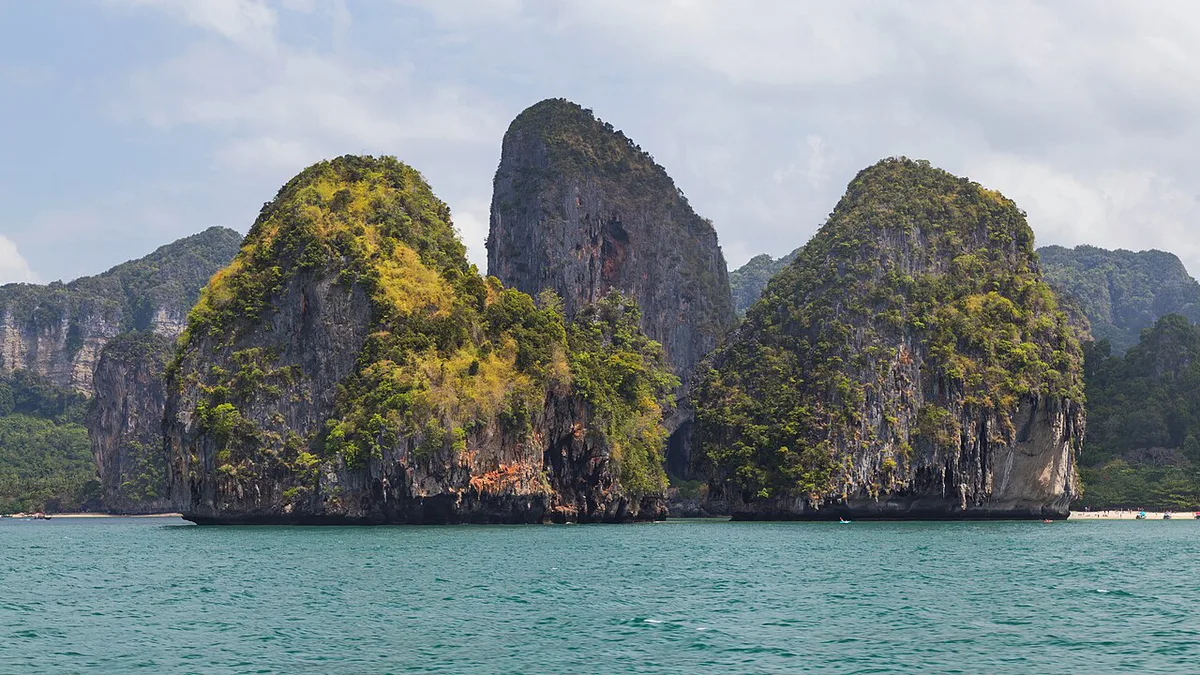
Featured image: Marcin Konsek, CC BY-SA 4.0, via Wikimedia Commons.
Krabi bioluminescent plankton: what you can realistically expect
Dinoflagellates in the Andaman Sea flash blue when the water is disturbed. Around Krabi, tour operators run night trips near Ao Nang, Railay and Phra Nang. Sightings are reported on some nights and missed on others. Nobody can promise a glow at a named beach. Broader context sits in our guide to bioluminescent plankton across Thailand. Wider wildlife context lives in the Thailand marine life hub. Treat the glow as a bonus on a good evening, not the whole plan.
When to go: season, moon phase and weather
Many guides name November to April as the typical window, with calmer and clearer weather. Sources vary on exact months, so use that as a rule of thumb. Glow can appear outside those months. Rough seas and rain make faint light harder to read in any month. Moon phase matters most. Bright moonlight washes out faint light, so aim for a dark, moonless night. Even sunset-cruise operators admit that a full moon reduces visibility. Wait for full dark before judging the water. One operator example places Phra Nang swims at about 7 PM to 9 PM, which shows the evening window. Look up moon phase on a national observatory page and sea state on the Thai Meteorological Department forecast before you book.
Where operators run plankton trips around Krabi
Ao Nang is the base for most trips. Railay and Phra Nang need a boat. Hong Islands and Bamboo Island are tour or longboat trips. No beach glows reliably, so ask any operator about recent sightings. Phi Phi has its own option in our guide to night plankton trips around Phi Phi.
- Ao Nang: base town where tours depart, so it is the simplest start.
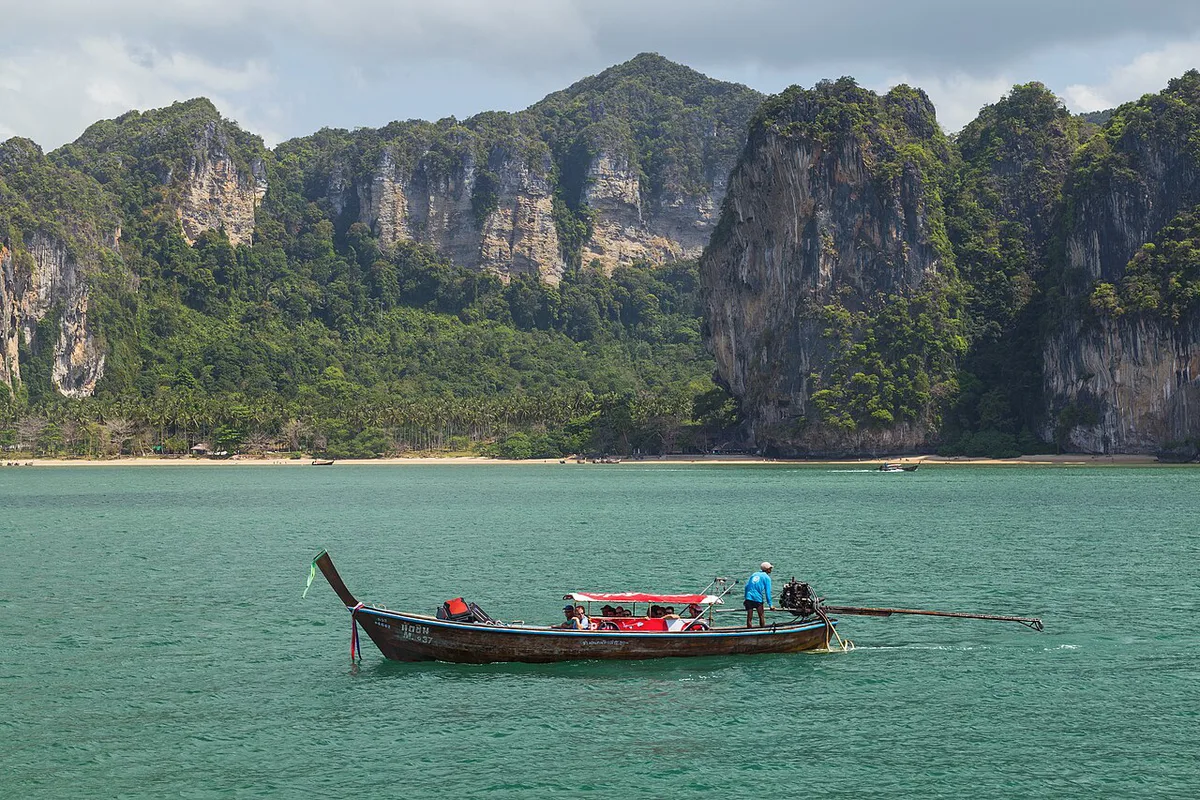
- Railay and Phra Nang: reached by boat from Ao Nang. One operator ends its sunset cruise near Phra Nang Beach.
- Hong Islands: tour or longboat trip, farther from town lights.
- Bamboo Island: boat trip, so confirm the return plan with the operator.
- Phi Phi: separate trip with its own guide.
Boat tour, DIY beach or night swim
Sunset cruises often finish near Phra Nang Beach, with a swim among plankton when conditions allow. Crews on such cruises help less confident swimmers get in the water. Dedicated night tours usually give the darkest water. DIY from a beach costs least but depends on how far you are from lights. Non-swimmers can still watch the glow by stirring the water with a hand from a boat. Cost labels below are relative, because operators set and change their own rates. Prices and hours checked November 2026; there are no opening hours, since the glow follows darkness.
| Option | Access | Darkness | Swimmer confidence | Cost level | Reliability | Best fit |
|---|---|---|---|---|---|---|
| Sunset cruise with night swim | Boat from Ao Nang area | Medium to high | Low to medium, crew assists | Mid | Variable | Couples, families, mixed swimmers |
| Dedicated night plankton tour | Boat | High | Medium | Mid to premium | Variable, ask about recent sightings | Couples, solo travelers |
| DIY from a beach | Walk or short boat | Low to medium, depends on lights | Medium to high | Budget | Lowest | Confident swimmers, small groups |
| Kayak night trip | Only if an operator offers it | High | Low to medium | Mid | Variable | Non-swimmers who can paddle |
How to improve your odds
Run this routine on the day of your trip.
- Check the moon phase and pick a dark night.
- Check the weather and sea state.
- Get away from street and resort lights.
- Let your eyes adjust for a while before judging the water.
- Move the water by hand or by swimming.
- Ask the operator about recent sightings.
Mistakes to avoid
Most failed sightings trace back to a short list of errors.
- Going on a full-moon night.
- Expecting a glow under street lights.
- Leaving after a short wait.
- Booking with no cancellation or rebooking policy.
- Swimming alone at night.
- Taking the last boat back with no plan.
Getting back after dark: boats, last departures and where to stay
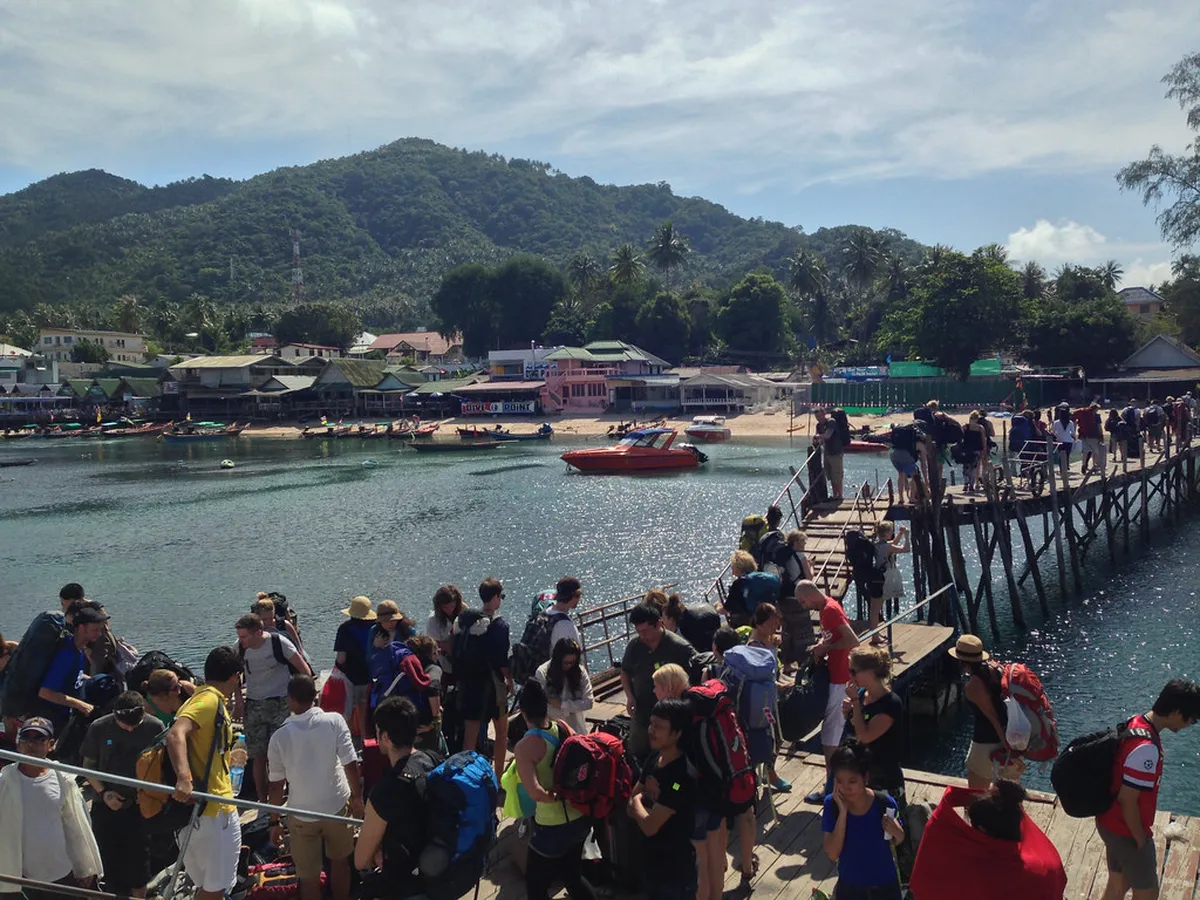
Return boats depend on the operator and the sea state. Ask where the boat lands and when it leaves before you pay. Ao Nang is the easiest base, since tours depart from there. Staying on the Railay peninsula shortens the trip home, though weather can still change plans. Agree a return plan before sunset, especially for Phra Nang. Carry a small headlamp for the walk, and keep it off at the water.
Phra Nang swims run about 7 PM to 9 PM, so settle the return plan well before that window opens.
Safety and responsible viewing at night
Swim with the guide, never alone. Darkness hides what is in the water. Read our notes on box jellyfish before any night swim. General jellyfish guidance applies on every Andaman beach. Rocky edges can hold sea urchins. Sandy shallows may hide a stingray, so shuffle your feet. A glow says nothing about water safety. Keep lights and flash off, and do not touch or collect anything. Take rubbish back with you. Many operators ask guests to limit sunscreen residue in the water, so ask yours. Marine park rules come from Thailand's national park authority.
Krabi vs Phuket vs Phi Phi for plankton
Sightings depend on night conditions more than province. Choose the base that fits the rest of your trip. Krabi works well if you are staying around Ao Nang and Railay. Phi Phi has dedicated trips of its own. Phuket also has operators, but cost and flight comparisons change often.
What you are seeing: the science in brief
Dinoflagellates are single-celled plankton. A reaction between luciferin and the enzyme luciferase produces the light. Movement or touch triggers the flash, so paddles, hands and swimmers leave blue trails. Artificial light drowns the faint glow, which is why dark water matters. Plankton also feed krill and other small animals, so they sit low in the food chain.
Plankton and tourism: keeping the glow
Boats and waterfront lights can interfere with the glow. Climate change and plastic waste add pressure. Conservation measures include cutting light pollution and keeping plastic out of the sea. Thailand's marine and coastal resources department publishes protection guidance. Choose operators that keep groups small and lights off at the water.
Notes for your next dive trip
Optional updates to our Thai diving guides.
You might also like
Continue reading
More guides you'll find useful