Kata Beach Snorkeling: Is It Worth It? Spots & Alternatives
Can you snorkel at Kata Beach? Get the honest answer: where it works, when to go, safety tips, and nearby spots like Ao Sane and Nai Harn.
On this page
Last updated November 2026. Kata beach snorkeling is possible, but Kata is mainly a swimming and surf beach, not a reef destination. Your best odds are around the rocky headland at the south end near Kata Noi, in calm water, while our Phuket snorkeling guide covers spots with more to see.
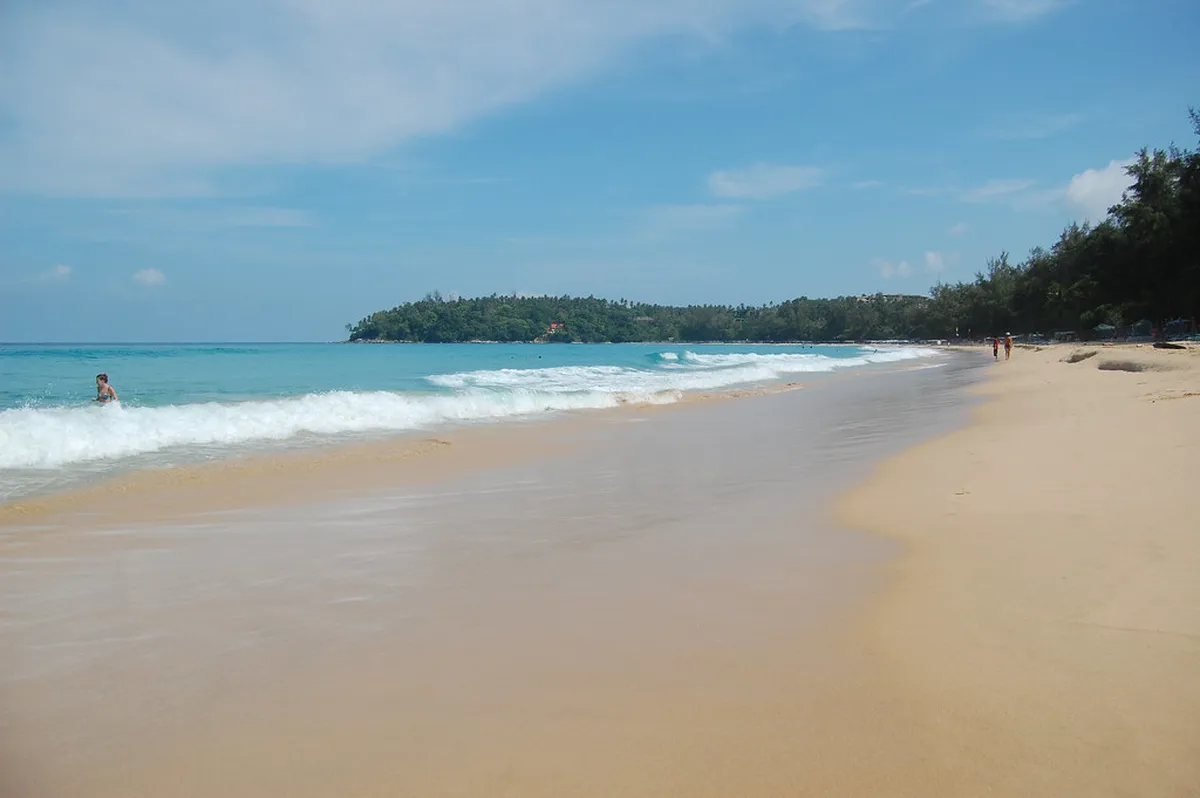
Featured image: edwin.11, CC BY 2.0, via Flickr.
Can You Snorkel at Kata Beach? The Short Answer
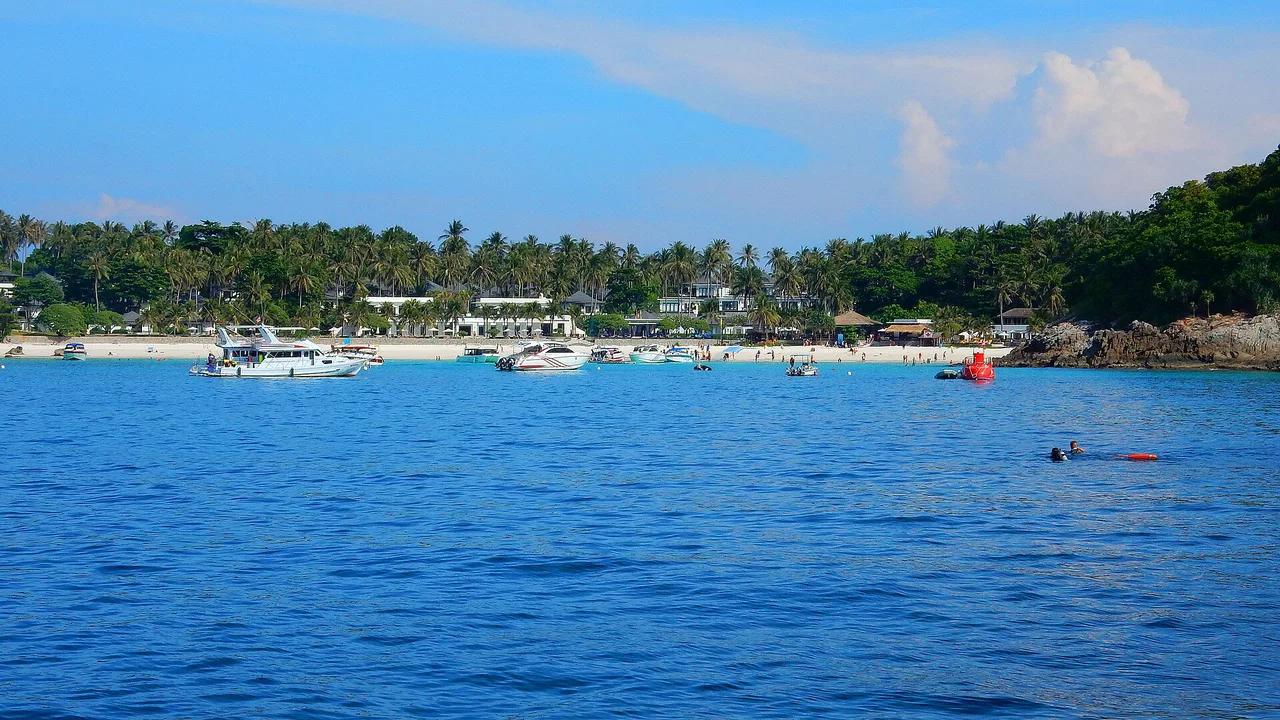
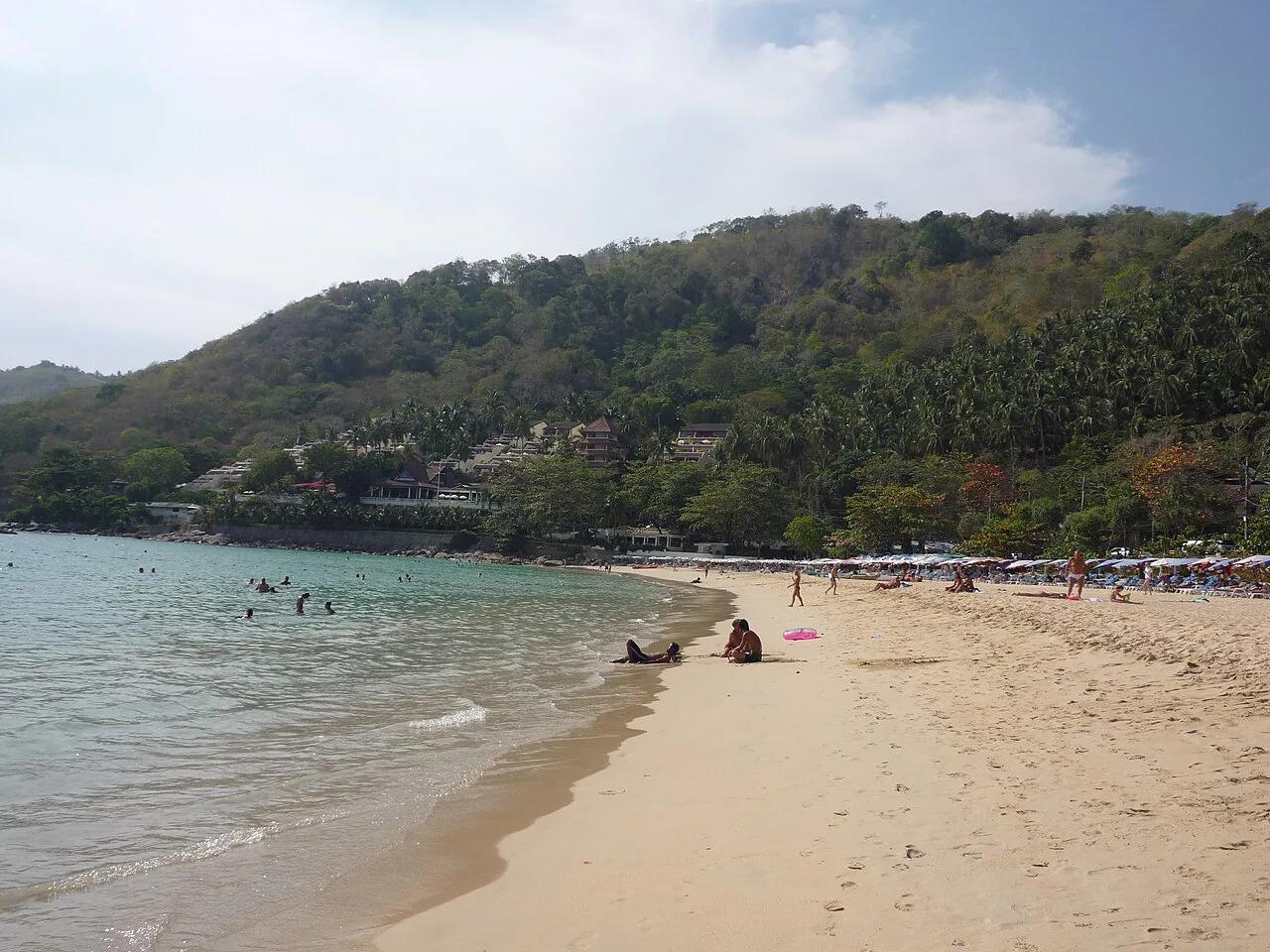
Yes, with limits. Kata Yai is a long sand beach where swimmers and surfers share the water, and sand-only stretches give a snorkeler little to look at. Rocks are where marine life gathers, so the rocky headland at the south end is the part worth a mask. Treat it as a short, casual dip rather than a full snorkeling day. If seeing fish and coral is the goal, plan a trip to a better-suited spot.
- Season: calm-sea months work best; rough monsoon water does not.
- Spot: the rocky headland at the south end, near Kata Noi.
- Best alternative: Ao Sane or a boat trip to Koh Hey.
Kata Beach Snorkeling Spots: Kata Noi and Kata Yai
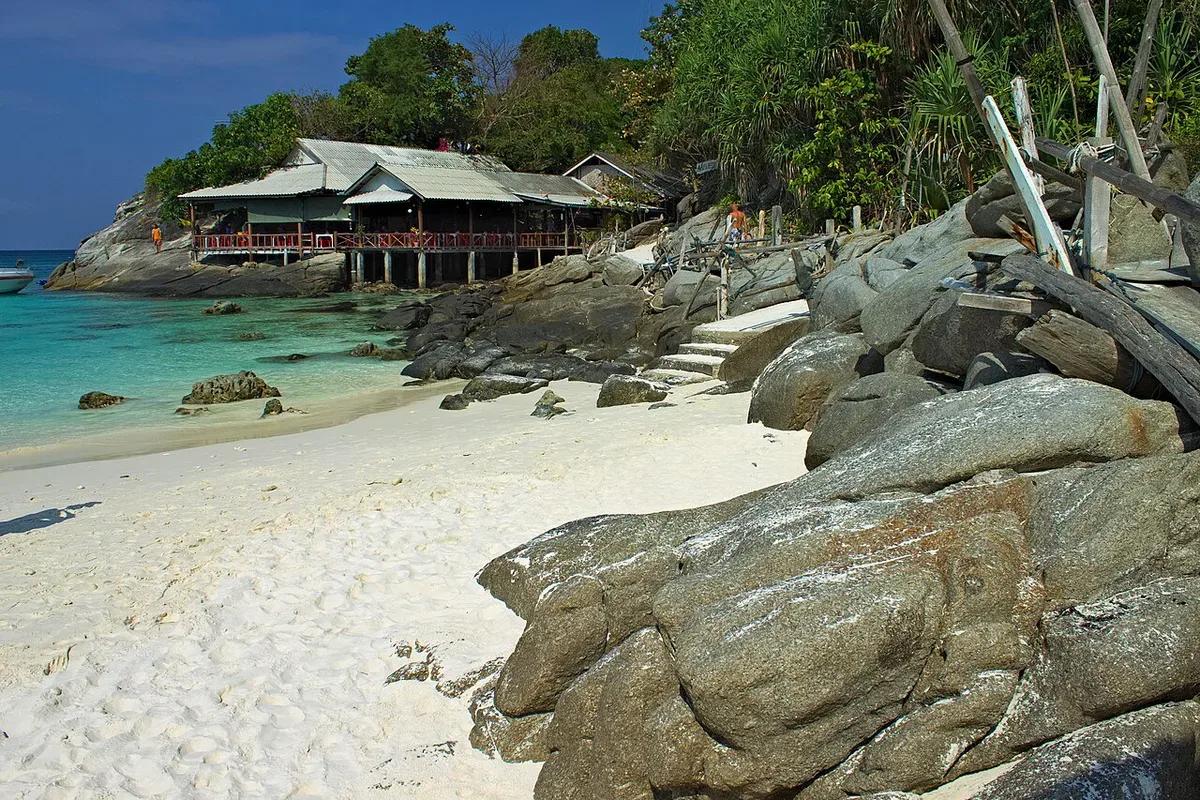
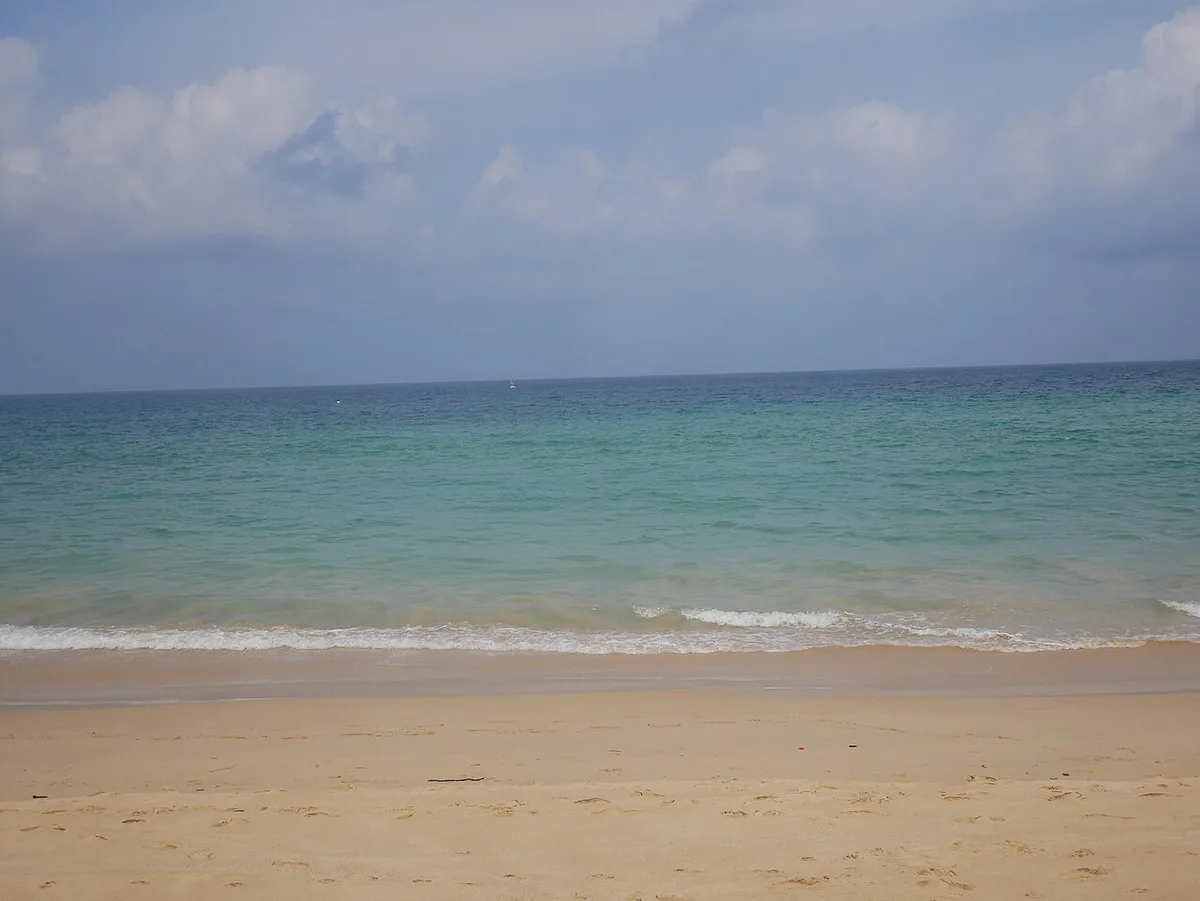
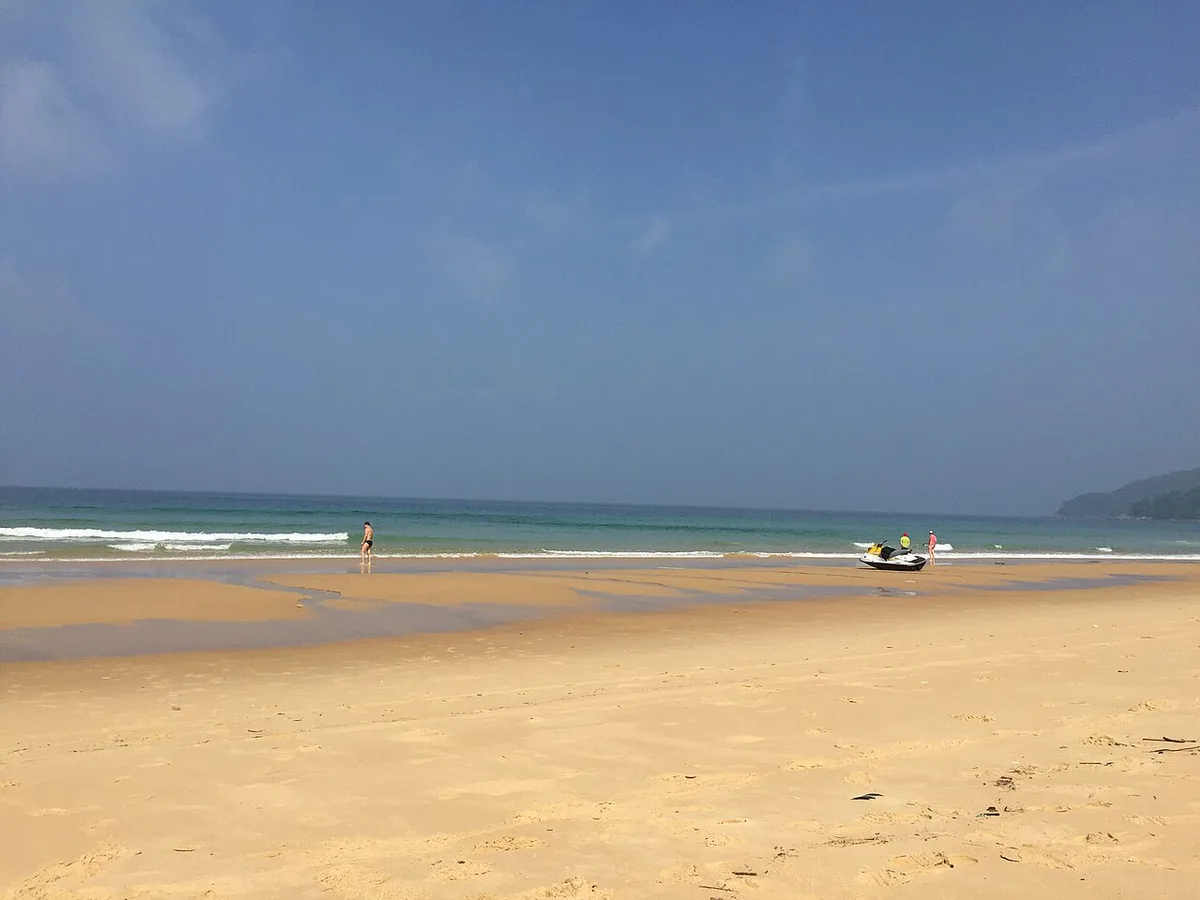
On Kata Yai, most of the shoreline is open sand. Sand holds few fish, so floating off the middle of the beach feels like ordinary swimming with a mask on. Snorkeling improves where sand gives way to rock at the south end. Rock gives fish and other sea life somewhere to shelter. Kata Noi sits beside that headland and is the natural base for a snorkeling attempt. Swim along the rocks rather than out into open water. Watch for swimmers, surfers and any marked zones on the beach. Water-sports and swimming areas are marked at Kata, so read the markers before you enter and stay inside the swimming areas. Conditions shift daily, so talk to lifeguards on the sand about that day's water.
Kata vs Ao Sane, Nai Harn and Banana Beach
Each nearby option trades convenience for a better chance of seeing something. Our guides to Ao Sane Beach, Phuket: Snorkeling, Access & Tips and snorkeling at Nai Harn cover the south-end alternatives in detail. A separate page describes Banana Beach. Transfer times and costs from Kata change with traffic and season, so ask your hotel or a local driver for a current quote.
| Spot | Access from Kata | Best for | Cost to reach |
|---|---|---|---|
| Kata Noi / south headland | Walk along the beach | Quick, casual dip with a mask | Free |
| Ao Sane | Short ride; check locally | Rocky-shore snorkeling with more to see | Check locally |
| Nai Harn | Short ride; check locally | South-end option with a different feel | Check locally |
| Banana Beach | Check locally | Beach day with a swim | Check locally |
| Boat tour | Pier pickup or transfer | Reef variety and guided safety | Check with operators |
When to Go: Season, Tide and Time of Day
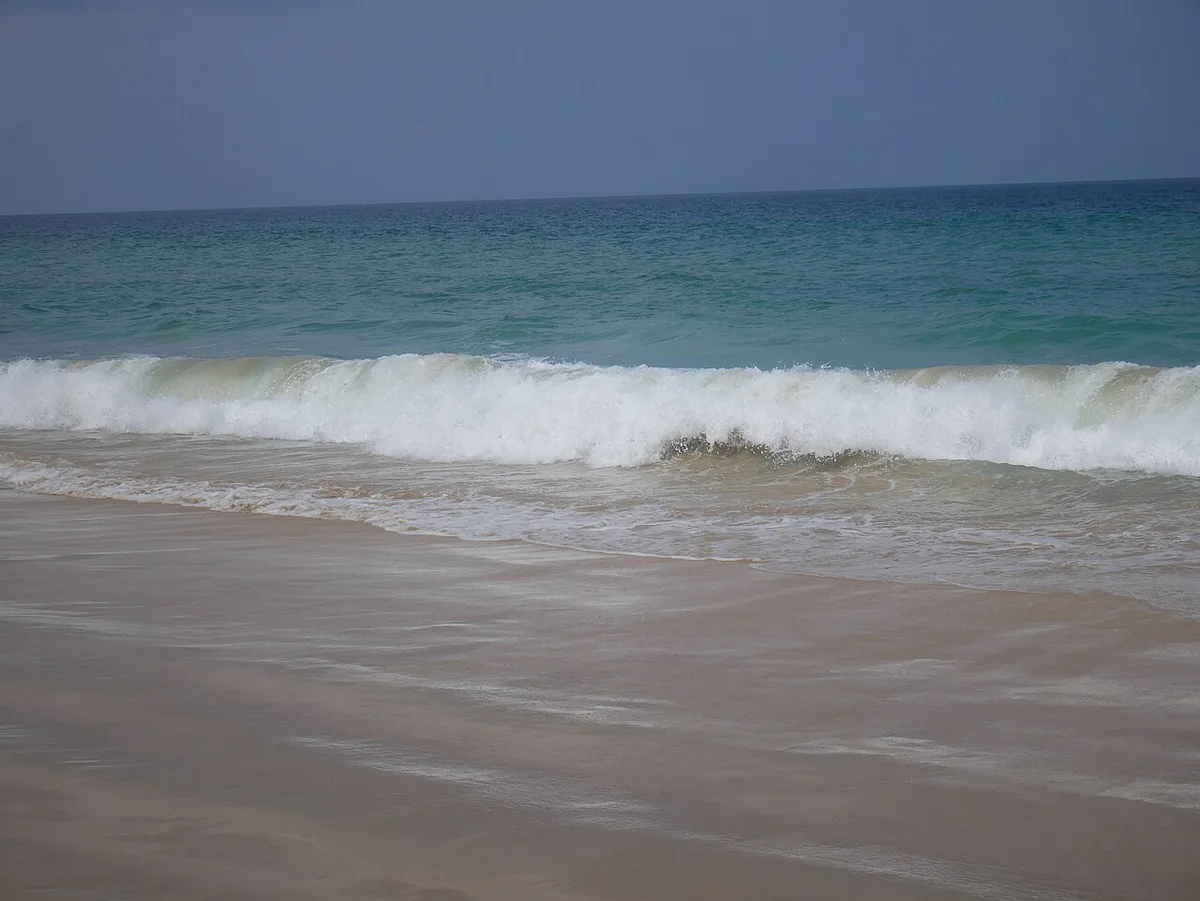
Phuket sits on the Andaman Sea, which gets a monsoon season with rougher water. In those months Kata's surf picks up and snorkeling from the beach is a poor idea. Choose calm-sea months and look at the water before you rent or pack anything. Mornings usually suit snorkeling better because winds tend to be lighter and fewer people are in the water. Tide changes how much of the rocks you can reach safely, so ask a lifeguard or your hotel about the day's conditions. The Thai Meteorological Department publishes the official forecast for the Andaman coast.
Safety, Gear and Reef Etiquette
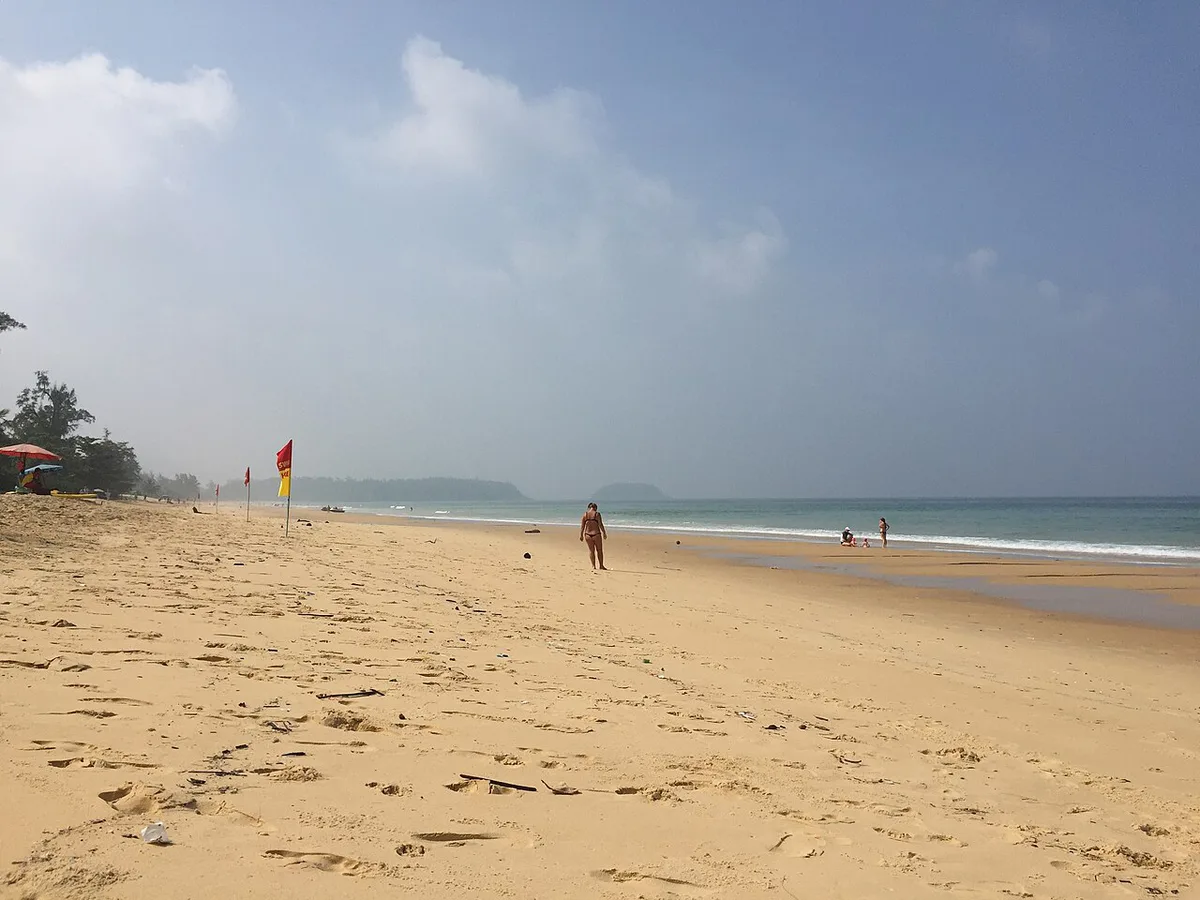
Read the flags on the sand before you get in. A red flag means stay out of the water, and that applies to snorkelers as much as swimmers. Stay clear of the rocks when waves are breaking on them. Rocky entries are slippery, so wear water shoes and enter slowly. Bring your own mask and snorkel if you have them, because rental availability on the beach varies. Compare quotes before paying for any rental. Apply reef-safe sun protection and wear a rash guard, since you will float face-down in direct sun. National parks rules cover protected reef areas, and the national parks authority is the place to check fees and regulations for park destinations.
- Do not snorkel in red-flag conditions.
- Never stand on or touch coral.
- Do not feed fish.
- Do not skip sun protection.
- Do not book a tour without checking the destination and inclusions.
Costs and Getting There
Snorkeling from Kata Beach itself costs nothing beyond gear, and you can walk there from the sand. Bringing your own mask keeps this the cheapest option on the island. Renting gear adds a small cost, and rates differ between shops, so compare before you commit. A boat tour is the most expensive choice because it bundles transport, guides and park fees. It also gives you the most to see. Prices and hours were not confirmed for this guide, so ask operators for current rates and what is included before you pay.
Boat Tours and Other Options
A boat trip beats the beach when you want reef and variety. Koh Hey (Coral Island) Phuket: Beaches, Cost & Tips is a stronger reef option than anything at Kata. Our page on Phuket snorkeling tours explains how to compare tours. If you are a non-swimmer or nervous in open water, seawalker experiences offer a different way to see underwater life, though they are not the same as snorkeling.
- Skip Kata if you want clear reef and fish variety.
- Skip Kata if you travel in rough-sea months.
- Skip Kata if you need guided safety.
- Half-day plan: morning snorkel at your chosen spot, then lunch and a return to Kata. Going further costs more time and effort but shows more.
Frequently Asked Questions
Is Kata Beach safe for swimming?
Kata is a popular swimming beach with marked zones, but surf can get strong in the monsoon months. Read the flags, swim where lifeguards can see you, and stay out of the water when a red flag is up.
Notes for your next dive trip
Optional updates to our Thai diving guides.
You might also like
Continue reading
More guides you'll find useful