Nai Harn Snorkeling: Where to Get In, When to Go
Snorkeling at Nai Harn Beach, Phuket: the best entry points, which months are calmest, what you'll see, and when Ao Sane or a boat trip is a better bet.
On this page
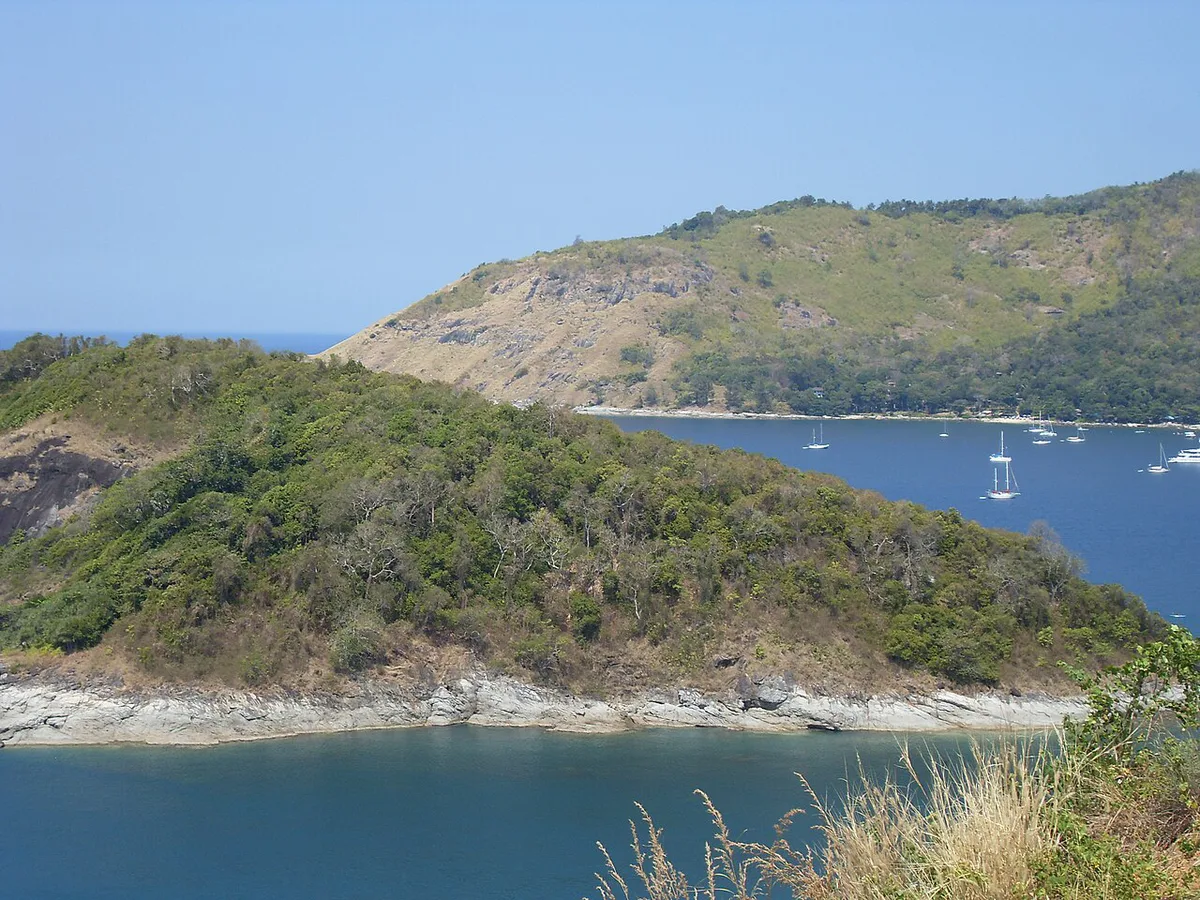
Last updated November 2026: Nai Harn snorkeling means a casual shore dip along the rocky southern edge of the bay, best from November to April. Nai Harn is mainly a swimming beach, so expect rocks, small fish and patchy coral rather than a proper reef. Pair it with Ao Sane or a boat trip when you want better underwater scenery.
Featured image: Wolfgang Holzem, CC BY-SA 4.0, via Wikimedia Commons.
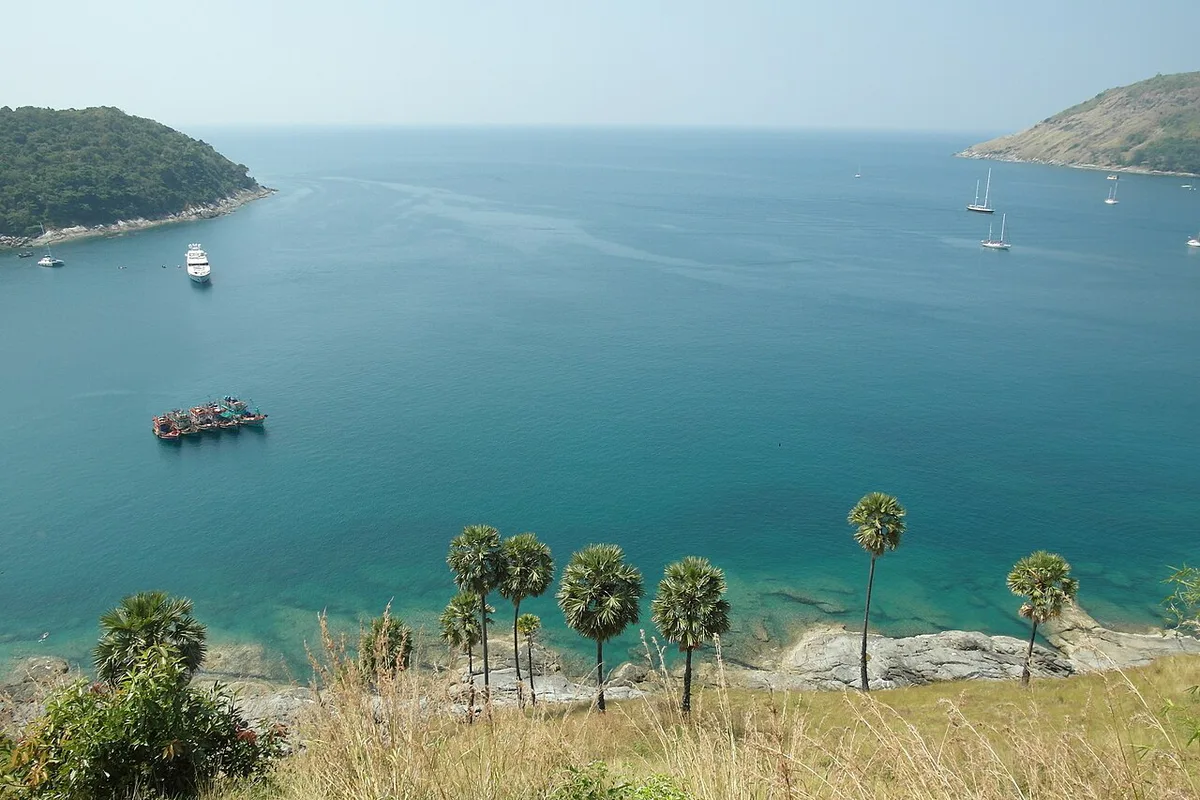
Quick Answer: Is Nai Harn Snorkeling Worth It?
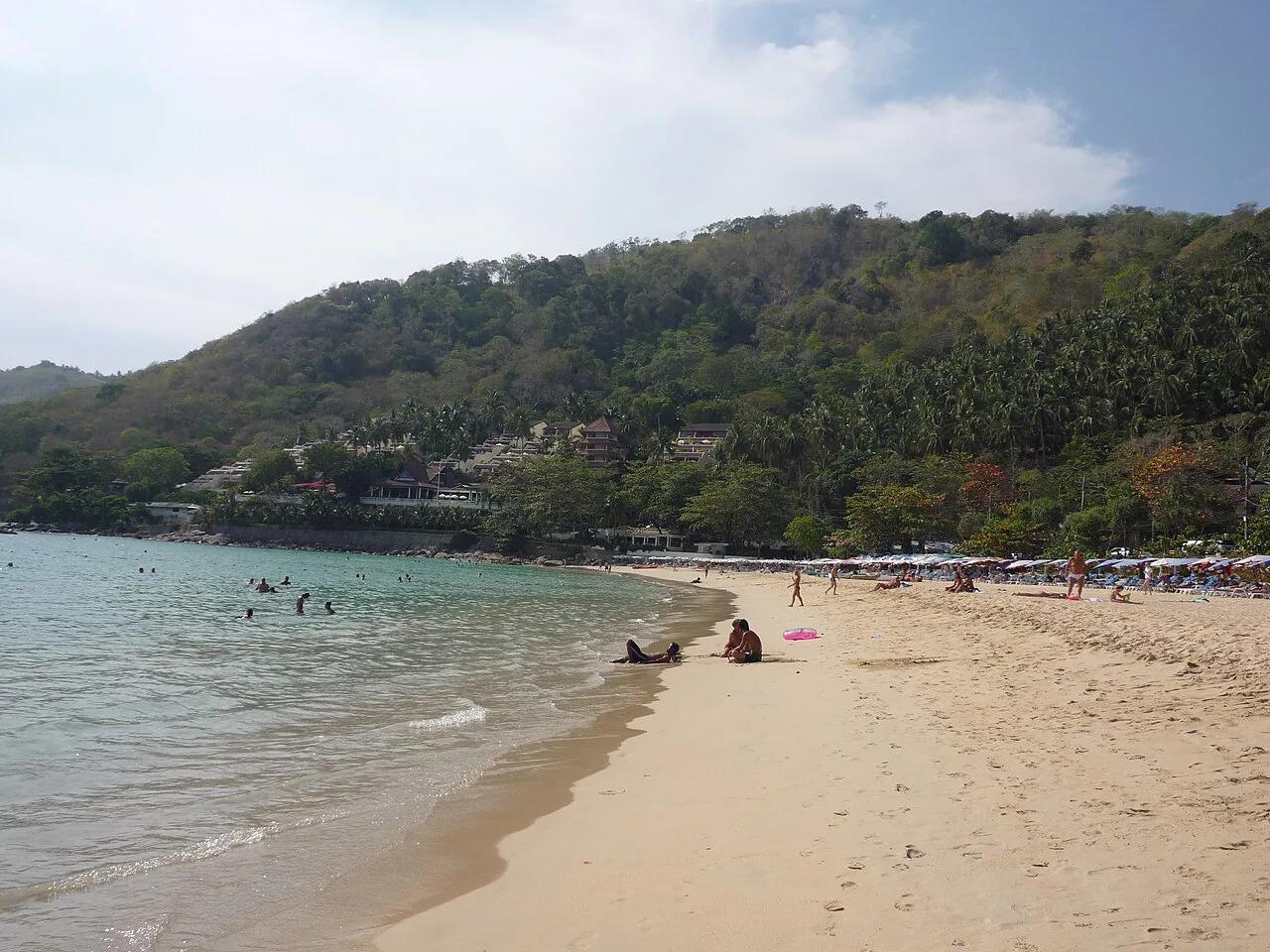
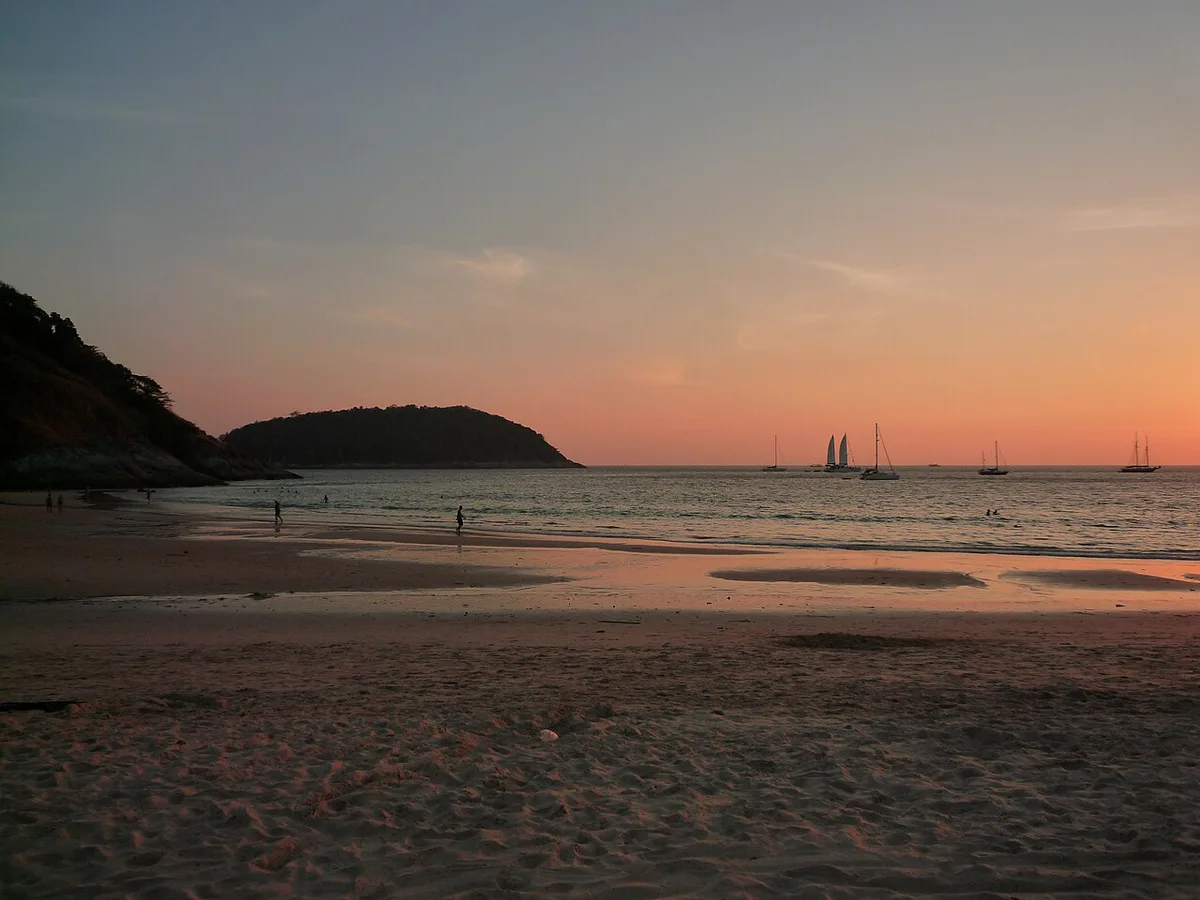
Nai Harn Beach is a roughly 1.5 km bay at the southern tip of Phuket. Because the bay is enclosed, the sea is often calmer here than on the open west coast. Snorkeling happens only along the rocky margins, while the northern end by Nai Harn Lake is used for swimming. Visibility, coral and fish vary by day, so treat Nai Harn as a bonus dip rather than a reef trip. Browse more Phuket snorkeling spots if a dedicated reef is your goal.
At roughly 1.5 km, the whole bay is small enough that short sessions along the rocks cover much of it.
- Choose Nai Harn if you want a low-effort dip with your own gear and a beach with showers, restrooms and cafes.
- Choose Nai Harn if you are a first-timer who wants to practice breathing through a snorkel in calm water.
- Skip Nai Harn if you want coral gardens, large fish or a guided reef experience.
- Skip Nai Harn if you are visiting between May and October and the red flags are flying.
Where to Snorkel at Nai Harn Beach
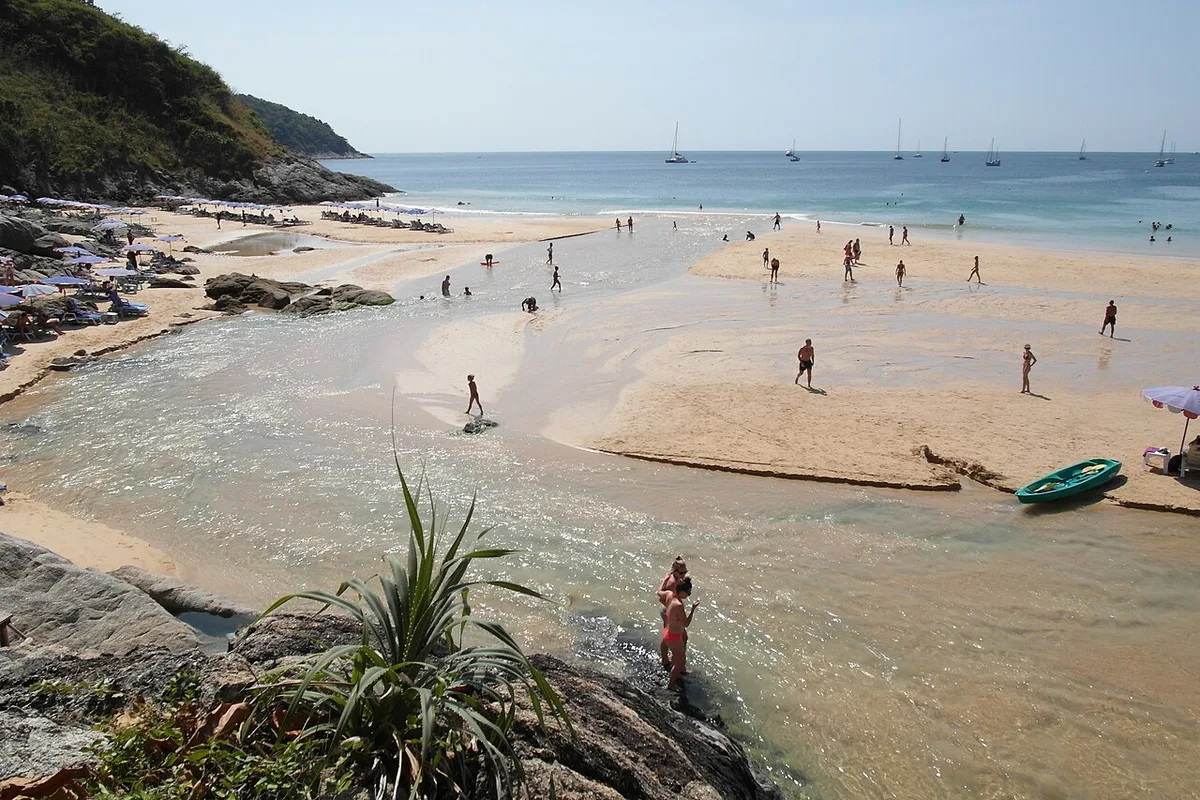
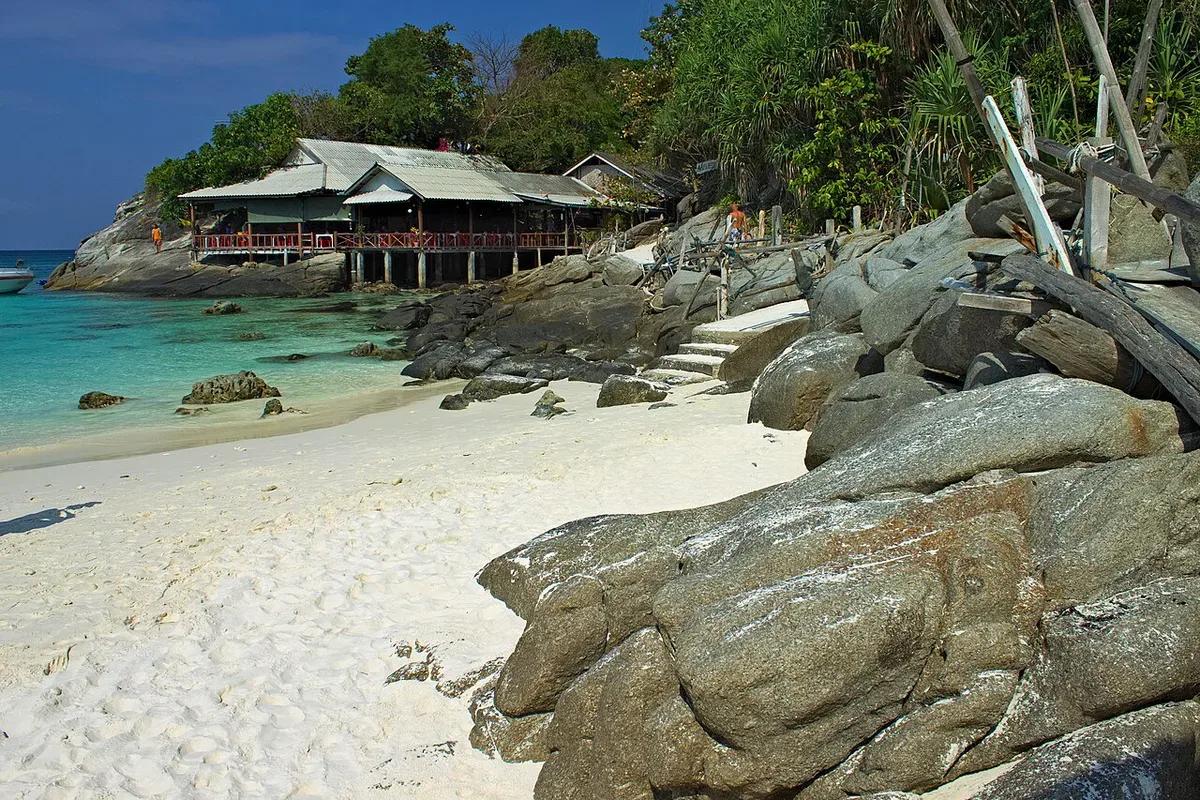
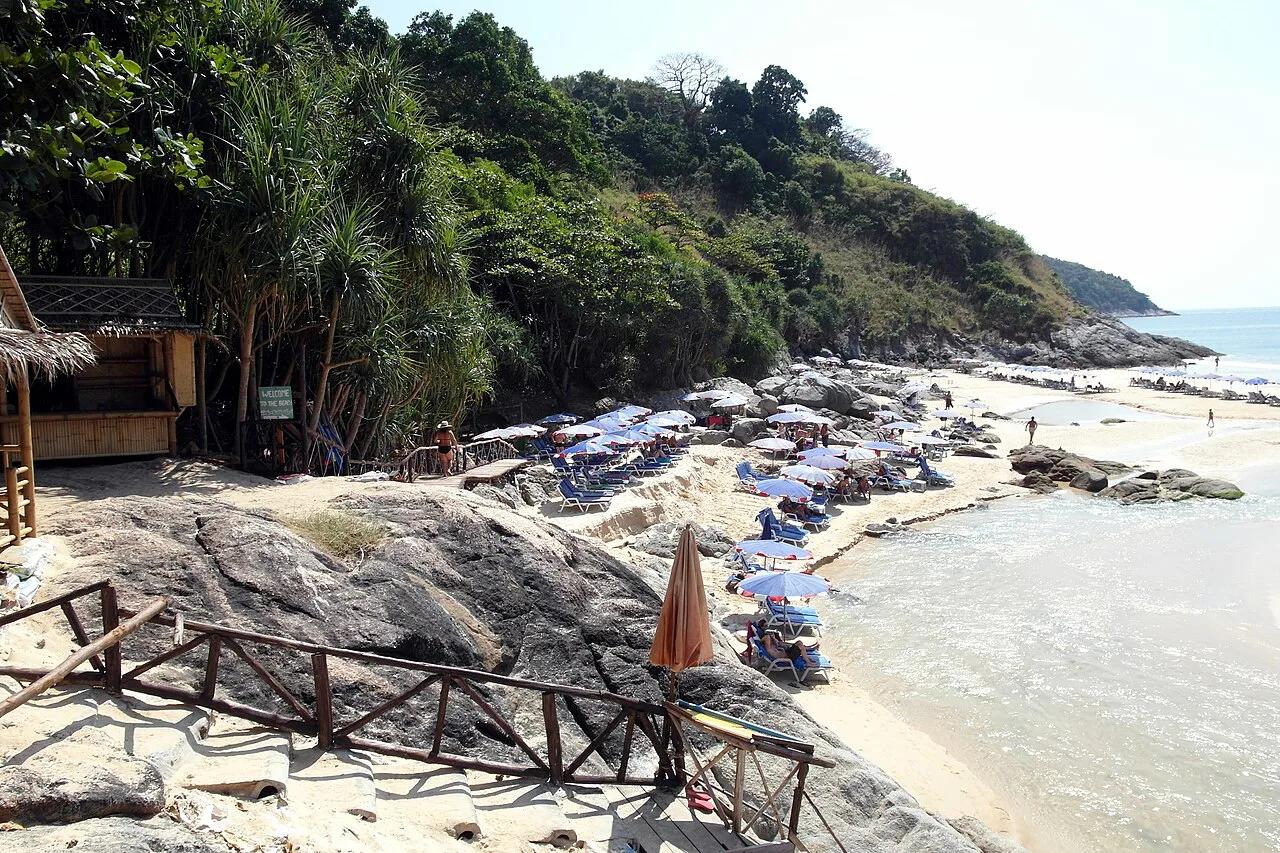
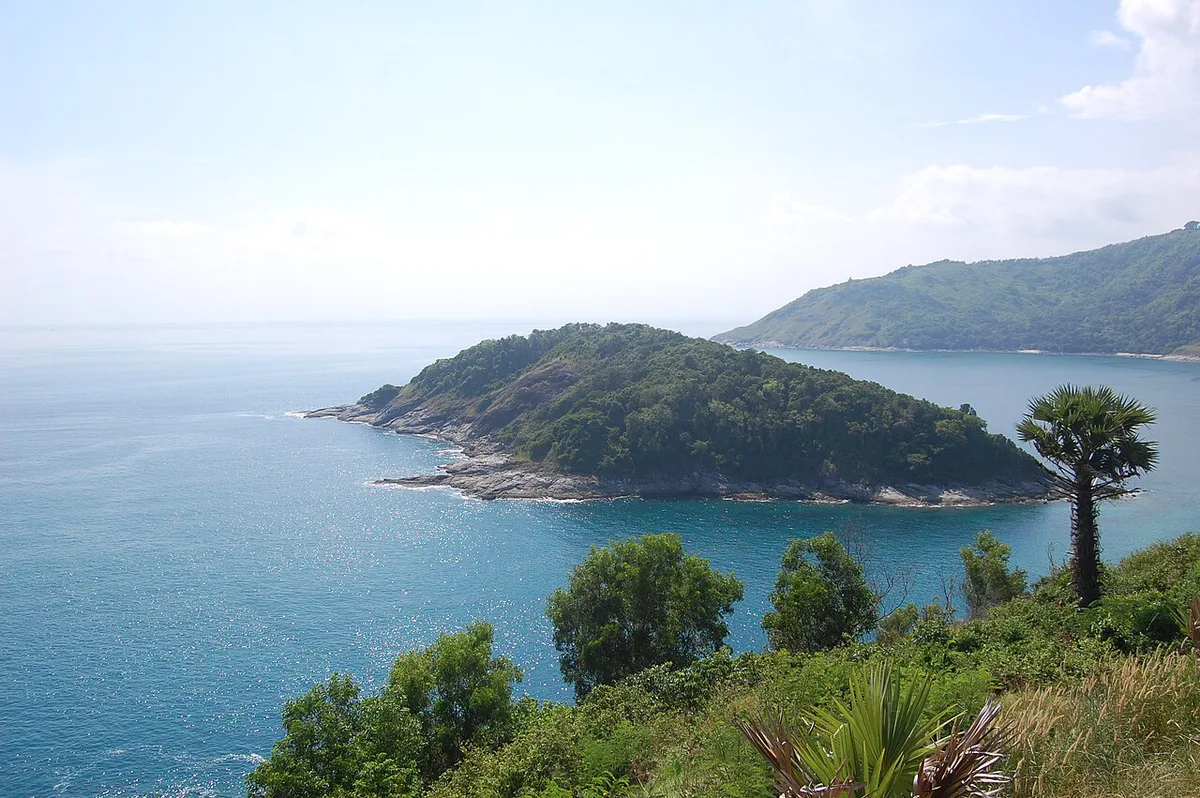
Two zones matter. The northern end near Nai Harn Lake is calm for swimming, so it suits beginners who are still getting used to a mask. The southern rocks attract snorkelers, and fish are most likely around the stones there. Entry is gradual on the sand, so walk in beside the rocks rather than climbing over them. Water shoes help on the rock edge. Promthep Cape sits close by, and visitor accounts describe strong currents and whirlpools off the cape itself. Stay inside the bay and keep the cape well behind you.
| Zone | Best for | Entry and seabed | Notes |
|---|---|---|---|
| Northern end near Nai Harn Lake | Swimming, first mask practice | Gradual sand entry; check on the day | Calm for swimming; little to see |
| Southern rocks | Shore snorkeling | Walk in from sand beside the rocks; seabed and current vary, so check on the day | Wear water shoes; stay inside the bay |
Best Season and Sea Conditions
November to April is the calm season, with clearer water and the best odds for snorkeling at Nai Harn. May to October brings waves and rip currents, and red flags are sometimes hung. When red flags are up, skip the water entirely. Use the checklist below every time you arrive, even in the dry months.
- Go: no red flag, small waves, and you can see your feet in waist-deep water.
- Go: longtail boats are anchored or well away from the rocks you plan to enter.
- No-go: a red flag is flying anywhere on the beach.
- No-go: waves are breaking across the whole bay or you feel a pull along the rocks.
- No-go: the water is cloudy enough that you cannot see the seabed.
What You Can Realistically See
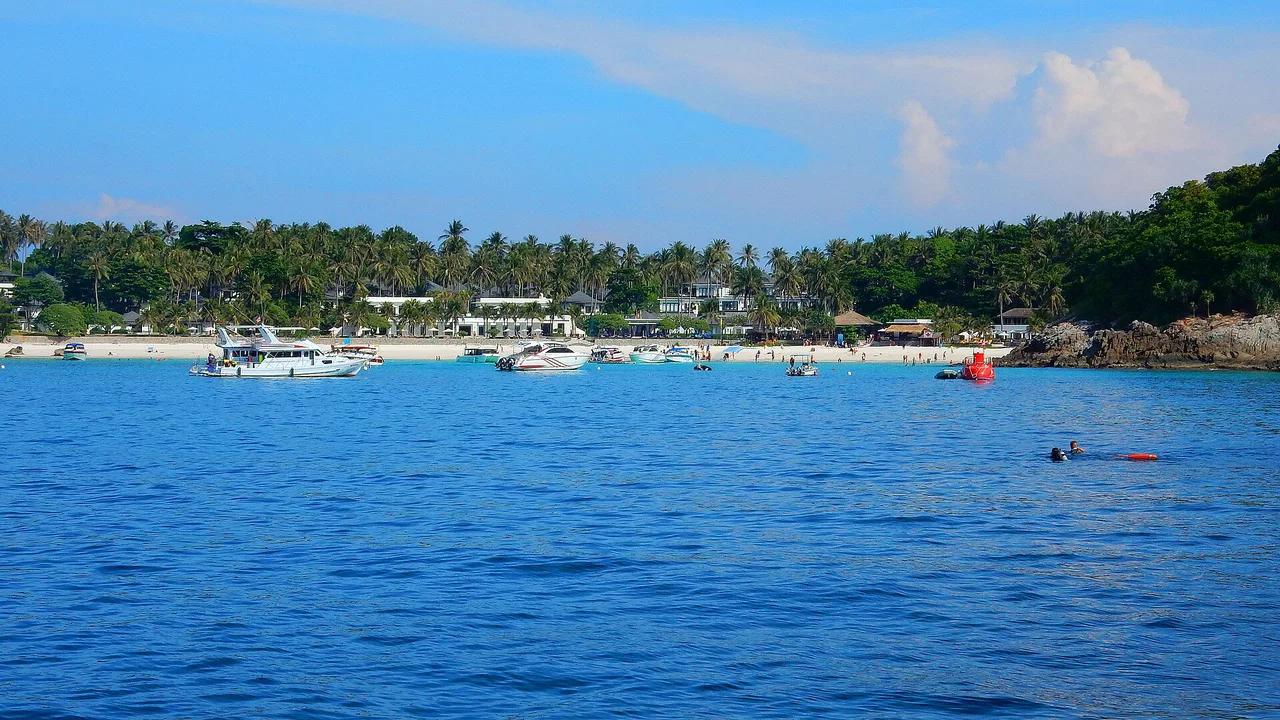
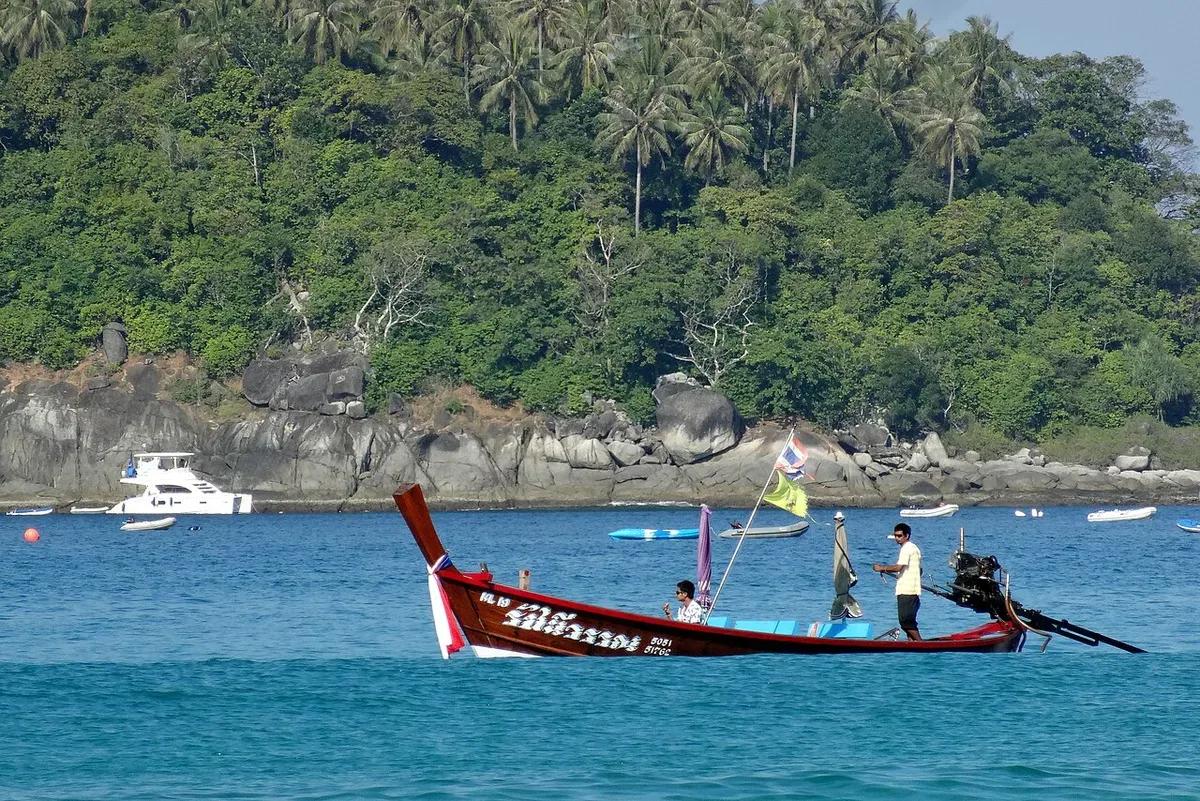
Expect a rocky shoreline, small fish near the stones and patchy coral. No dependable species list exists for the bay, so do not plan around turtles or large reef fish. Longtail boats anchored along the shore add a rustic backdrop, and they also mean boat traffic near the beach. Short sessions suit the rock edge best. If the water looks murky on arrival, swim at the northern end and save snorkeling for another day.
Gear, Access and Practical Logistics
Nai Harn Beach lies in Rawai subdistrict, and Rawai is the closest base. Kata and Patong are reached by road, and journey times depend on traffic, so use a maps app on the day. Facilities include sun loungers, showers, restrooms, and cafes and food stalls along the road. Parking is nearby. Visitors report lifeguards and safety flags on the beach. Gear rental on the sand is unconfirmed, so bring your own mask and snorkel. Add a rash vest and reef-safe sunscreen to protect your skin and the rocks' marine life.
Costs: Free Shore Snorkeling vs Boat Trips
Shore snorkeling at Nai Harn needs only your own gear, and no tour is involved. Boat-trip prices change by season and operator, so check current rates on the Phuket Snorkeling Tour: How to Choose the Right One page.
Nai Harn vs Ao Sane vs Kata vs Koh Hey
Ao Sane is a smaller rocky beach near Nai Harn, described as good for shore snorkeling and less crowded. Read about Ao Sane's rocky cove for the closest alternative. Kata's northern end is the usual snorkeling pick on that beach. See Kata's northern-end snorkeling if you want a livelier setting. For a proper reef, Koh Hey, also called Coral Island, is a short boat ride from Phuket. Look at Coral Island boat trips for an easy half-day option.
| Option | Effort | Crowd | Gear | Beginner fit | Choose if / skip if |
|---|---|---|---|---|---|
| Nai Harn rocks | Low; walk in from the beach | Moderate beach crowd | Bring your own | Good in calm months | Choose for a free casual dip; skip for reef |
| Ao Sane | Low to moderate | Described as less crowded | Bring your own | Fair; rocky entry | Choose for quieter shore snorkeling; skip if you dislike rocks |
| Kata north end | Low | Livelier beach | Bring your own | Good | Choose for family-friendly beach life; skip for solitude |
| Koh Hey by boat | Half-day trip | Depends on the operator | Often supplied by operator | Good | Choose for real reef; skip if you want a free outing |
Safety and Responsible Snorkeling
Rip currents are the main risk in the wetter months, and red flags mean stay out. Keep clear of longtail boats and swim parallel to the shore, not across boat lanes. Wear a bright rash vest and consider a towed float so boat drivers can see you. Never touch or stand on coral and do not feed or chase fish. Thailand's Department of National Parks publishes the rules for protected marine areas. Follow any posted rules and a lifeguard's instructions on the beach.
Rough-Day and No-Snorkel Fallbacks
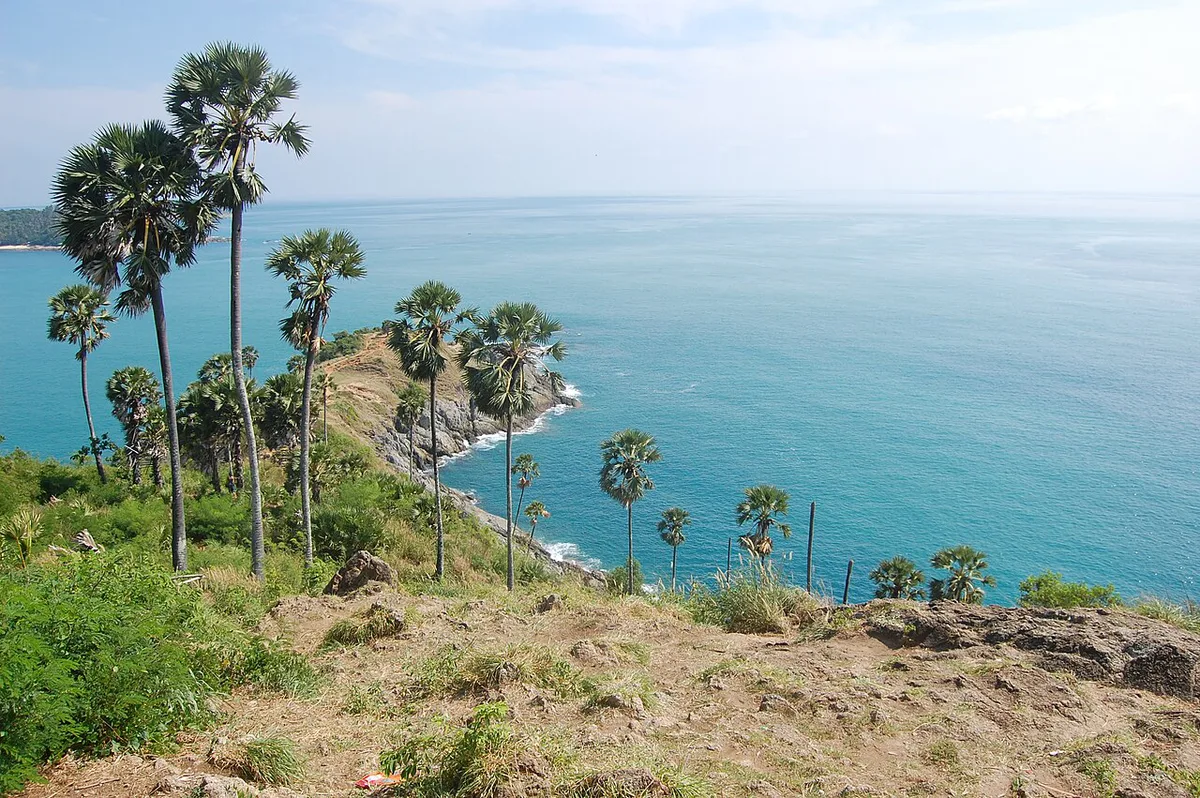
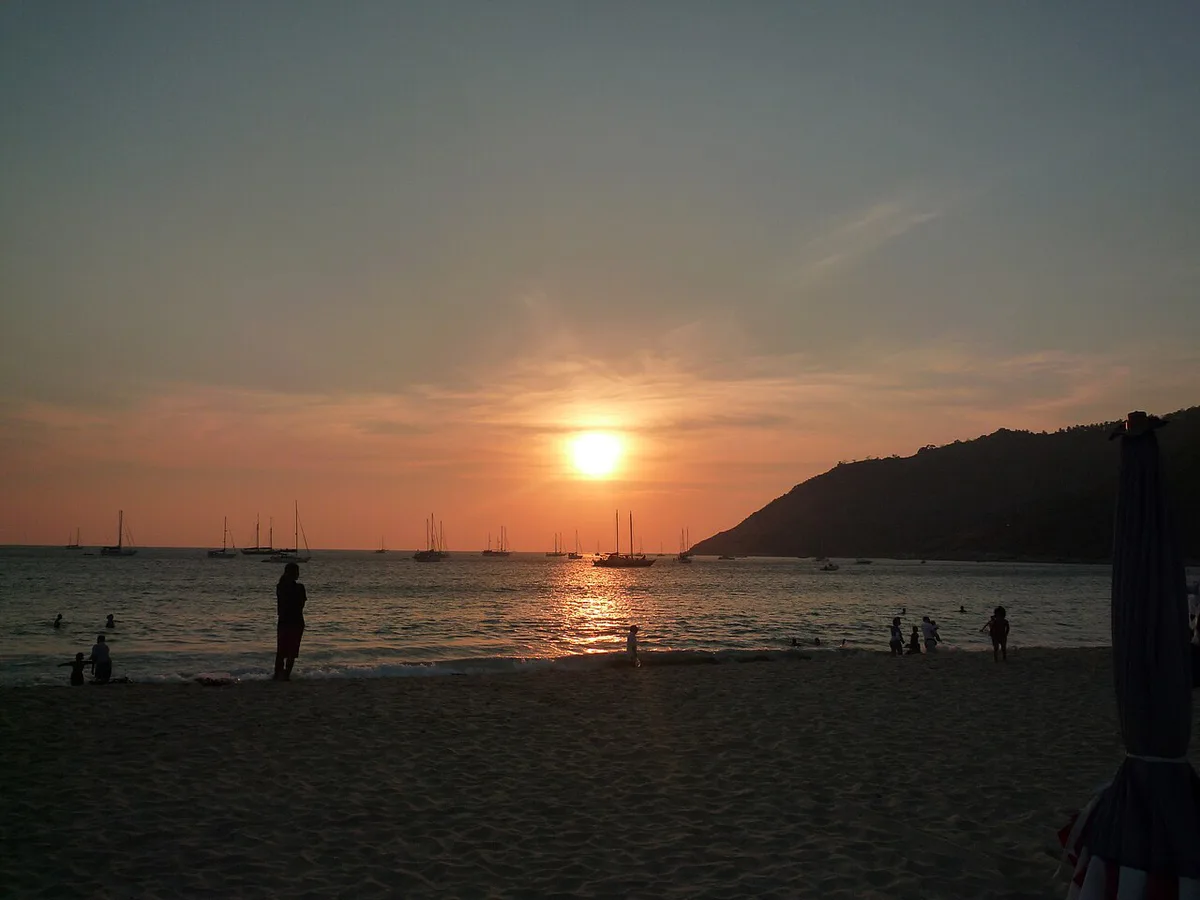
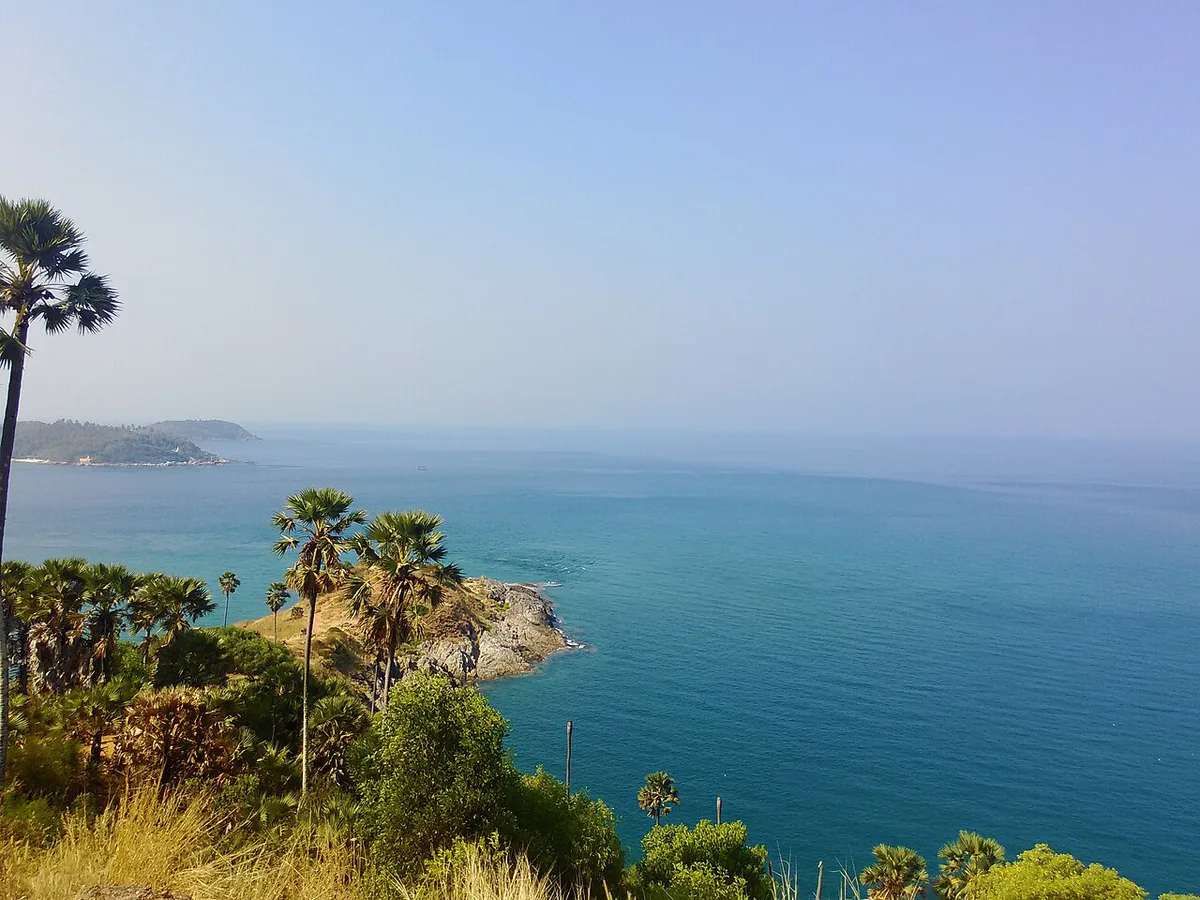
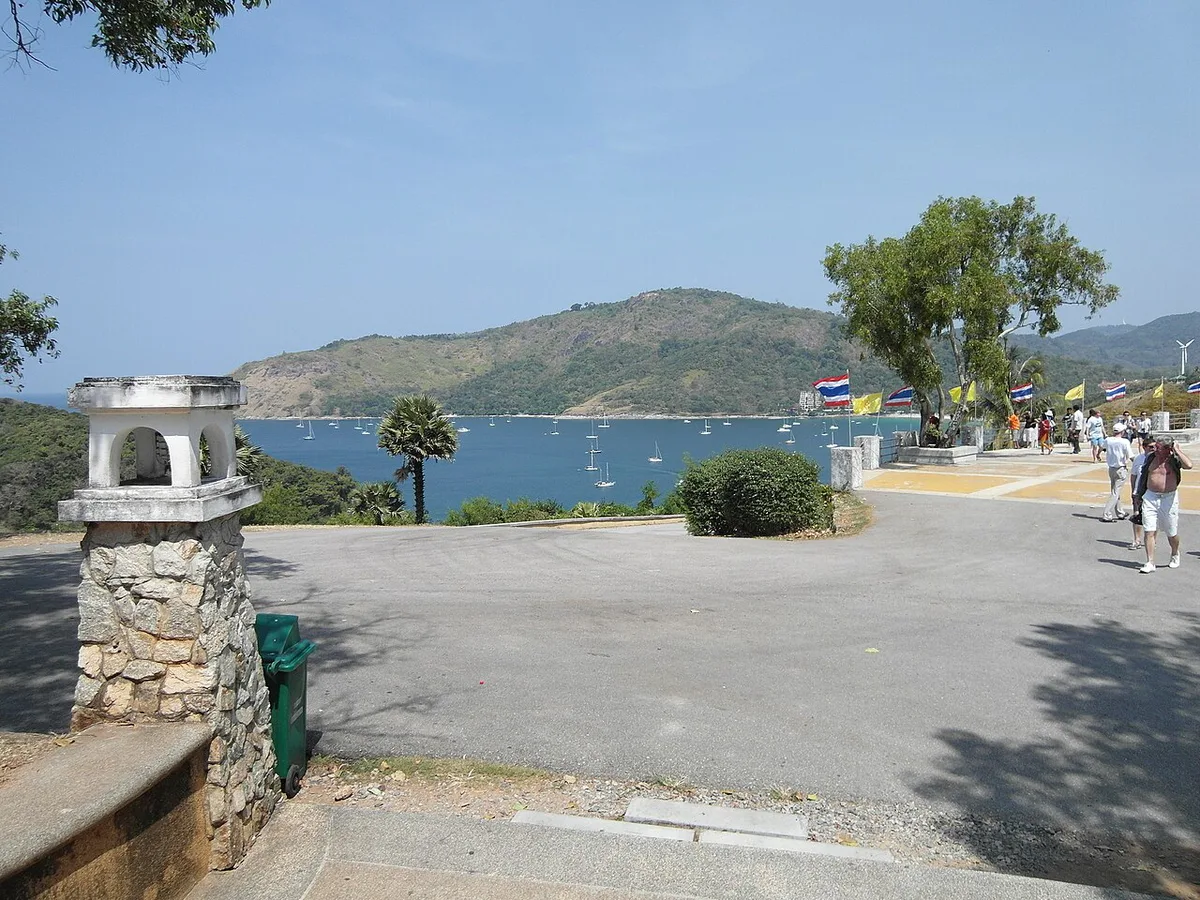
On red-flag days, walk the sand and stroll around Nai Harn Lake, where locals jog and stroll in the mornings. Promthep Cape is a well-known sunset viewpoint nearby. Book a guided trip through the guided Phuket snorkeling tours page once the sea settles. Non-swimmers can look at a seawalker experience instead.
Sample Half-Day Plan
This route trades beach time for reef quality, with no fixed times.
- Read the flags and the water from the sand before you change.
- Warm up with a short swim at the northern end near Nai Harn Lake.
- Walk to the southern rocks and snorkel along the edge, staying inside the bay.
- Rinse at the beach showers and eat at the cafes along the road.
- Continue to Ao Sane if you still want more shore snorkeling, or book a Koh Hey trip for another day.
- Finish with sunset at Promthep Cape.
Notes for your next dive trip
Optional updates to our Thai diving guides.
You might also like

Continue reading
More guides you'll find useful