Dugong Thailand: Where to See Them and When to Skip
Wild dugongs in Thailand are scarce. Learn where Trang's Koh Libong sightings happen, what a trip involves, how to watch responsibly, and the alternatives.
On this page
Last updated November 2026, and the short answer on dugong Thailand sightings is yes, but rarely. Wild dugongs live on the Andaman coast, mainly around Trang province, with Koh Libong as the flagship area. Seagrass loss cut numbers sharply after 2020, so treat any trip as a community-led wildlife outing with a fallback plan.
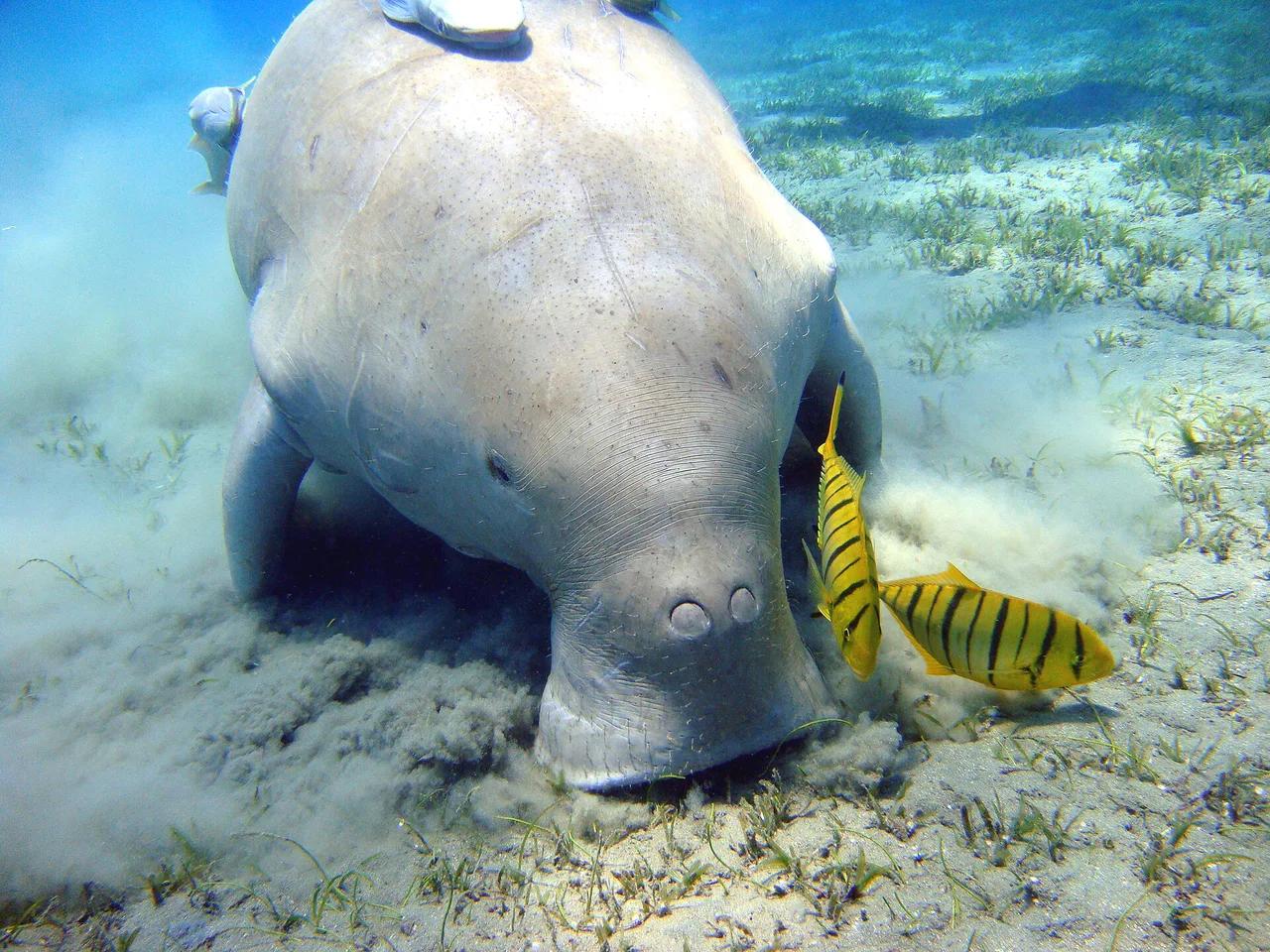
Featured image (a dugong at Marsa Alam, Egypt, shown for illustration): Julien Willem, CC BY-SA 3.0, via Wikimedia Commons.
Can you see a dugong in Thailand? The short answer
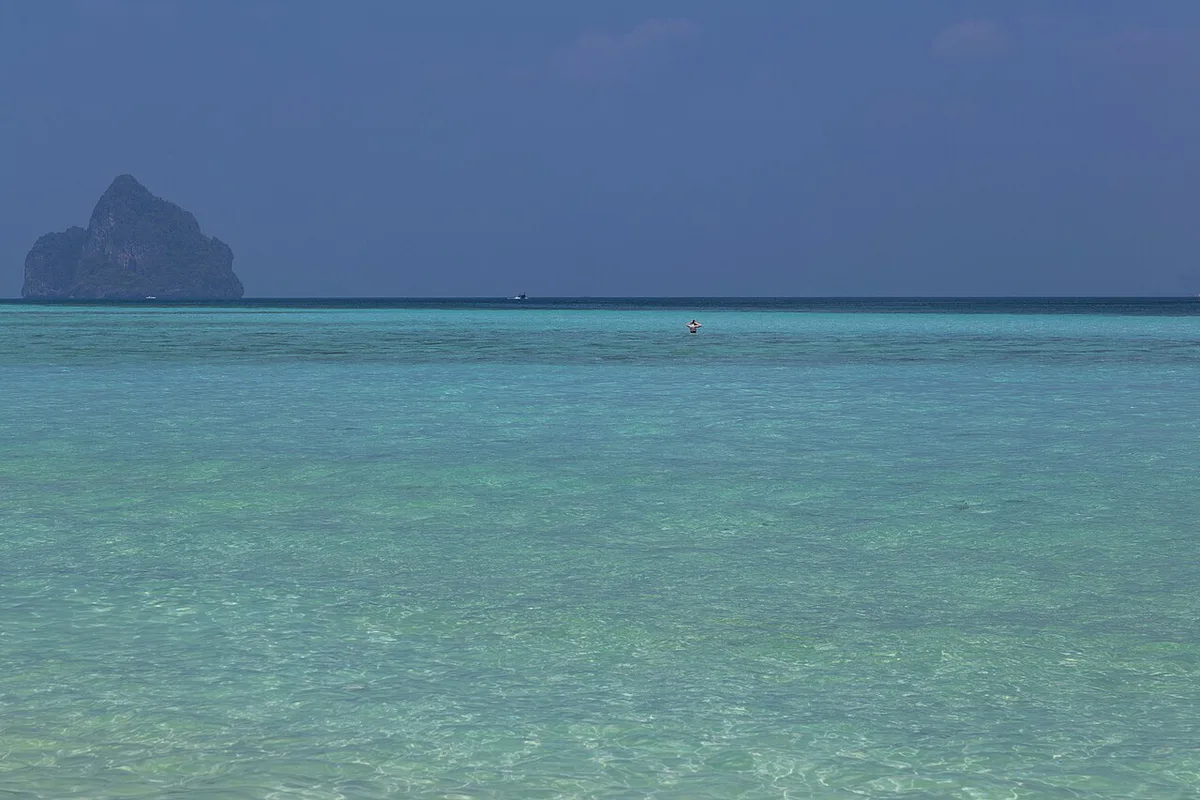
Yes, wild dugongs live in Thai waters, and Trang province is the place most often linked with them. Koh Libong is its flagship destination, and villagers there run boat trips to zoned dugong-watching spots. Odds are low and variable, though. Local operators report unreliable sightings, and nobody can promise one.
There is no ticketed attraction here. Dugongs are protected, wild and scarce, so the useful question is how a sighting works and when to skip the trip. This guide covers both. For the wider picture of reef and coastal wildlife, start with our Thailand marine life guide.
Where dugongs live: Trang, Krabi, Satun and Phuket
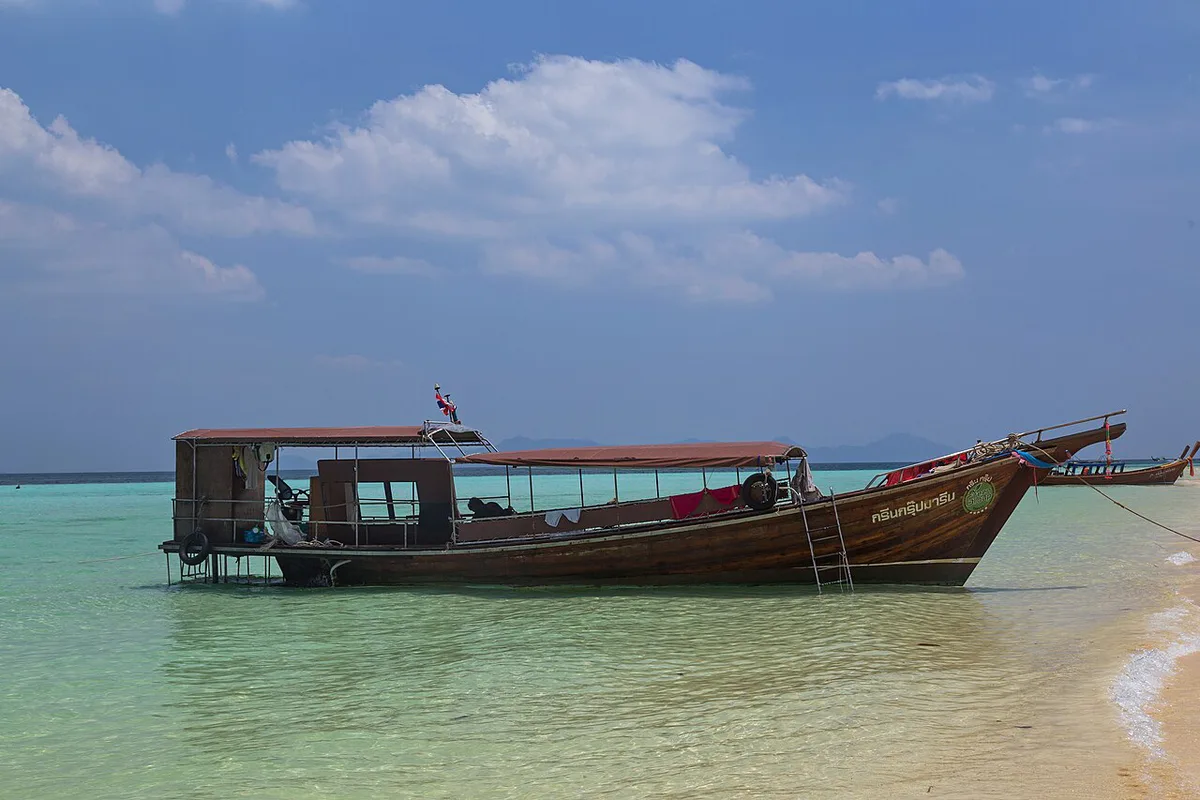
Government surveys estimated 273 dugongs in Thai waters in 2022, roughly 90% of them on the Andaman coast. Koh Libong, in Trang, held the largest share. Researchers counted about 194 animals there in 2023, close to 80% of the Andaman population at the time.
The habitat is protected as Hat Chao Mai Marine National Park and Koh Libong Wildlife Non-Hunting Area. Seagrass decline has also been recorded in Krabi and Satun provinces. Phuket appears in dugong news as a seagrass and feeding-footage story, not as a dependable viewing spot. Do not book a Phuket trip expecting a dugong unless an official source says otherwise.
State of the dugong population and seagrass
Between 2020 and 2024, seagrass cover in the protected waters around Koh Libong shrank by up to 50%, according to data from the Department of Marine and Coastal Resources. Scientists point to several pressures. Marine heat waves, tidal anomalies, river-mouth dredging and farm runoff likely combined.

The human cost of the decline was severe. DMCR recorded an average of 42 dugong deaths a year in 2023 and 2024, more than double earlier years. Press reports cite about 36 deaths for 2024 alone, so figures differ by source and counting method. Many animals starved. Others died in boat strikes or fishing bycatch while hunting for food farther afield.
By early 2025, experts feared as few as 10 dugongs might remain at Koh Libong. Government aerial surveys in early 2026 then estimated 33 individuals, and April observations included several mother-calf pairs. One volunteer drone survey recently logged 16 dugongs grazing together. That is a hopeful sign, not a recovery. The IUCN Red List classes the dugong as Vulnerable worldwide, and Thai numbers remain far below the 2023 estimate.
How a Koh Libong dugong trip works

Koh Libong sits off the Trang coast. Villagers there offer boat trips to zoned dugong-watching locations. A viewing tower on the island is another option, and homestays and local transport cater to visitors. Locals say people come for the dugongs, not for white sandy beaches.
A volunteer network called Dugong Guardians has worked across the eight villages of Koh Libong subdistrict since 2011. Roughly 3,000 residents live on the island, and many rely on fishing, gleaning and tourism. Booking through a homestay or village group puts money directly into that community.
The pier, ferry or longtail schedule from Trang, tower access, tide timing and zone rules change. Ask the national park office or your homestay host before you travel. The Department of National Parks manages the protected area, so it is the right source for rules and fees.
- Reach Trang province first, then continue to Koh Libong by boat.
- Choose between a zoned boat trip, the viewing tower, or both.
- Book a homestay through the village if you want to stay overnight.
- Ask the park office about fees, permits and any visitor program run by the Dugong Guardians.
Cost, time and access trade-offs
No verified fares or fees are published for these options, so the table uses relative levels. Prices and hours last checked November 2026 for the sources named in this guide, and none list a dugong-trip fee. Ask the park office or your host for current amounts.
| Option | Cost | Time and effort | Sighting odds |
|---|---|---|---|
| Half-day viewing from Trang | Low to medium | Medium: transfer plus boat | Low and variable |
| Overnight homestay on Koh Libong | Medium | Medium to high: more time on site | Low and variable, but more chances |
| Combined Trang trip (islands, mangroves, dugong watching) | Medium to high | High: several stops | Low for dugongs, good for other scenery |
Who should go and who should skip
Go if you accept low odds and want community-led, low-impact travel. A homestay stay supports villagers whose incomes took a hit as seagrass vanished. Skip if you need a guaranteed sighting or have a tight schedule, because a single half-day can easily end with empty water.
Early 2026 aerial surveys estimated 33 individuals, down from about 194 counted in 2023, so a sighting is far from guaranteed on any single trip.
- Go: you value seagrass habitat, volunteer-led conservation and village stays.
- Maybe: you are already in Trang and can spare a flexible half-day.
- Skip: you need a certain sighting, or you want to swim with dugongs.
- Mistake to avoid: booking a trip as a guaranteed sighting.
- Mistake to avoid: trusting social-media listings that promise swim-with encounters.
- Mistake to avoid: assuming Phuket is a reliable viewing spot.
How to watch dugongs responsibly
Keep your distance, never chase, and do not touch or feed any animal. Ask boat operators to idle or slow down near feeding areas. Extra care matters around mothers with calves, and disturbing a feeding dugong can reduce how much it eats.
Boat strikes and engine noise are real risks. Dugongs move slowly and float near the surface, and underwater noise can disrupt communication and foraging. One Koh Libong volunteer reported a speeding boat crossing a feeding group of 16. Choose operators who follow zoning, and check current park rules at the office before you go.
Best time and what affects sightings
Tides matter. Dugongs feed on seagrass in shallow water, and some have stranded on Koh Libong sandbars when the tide retreated. Monsoon weather can also limit boat access. No source here gives reliable months for sightings, so ask the park office or your host which days and tides look promising.
Between 2020 and 2024, seagrass cover around Koh Libong shrank by up to 50%, so a tide-driven trip can still come up empty.
Seagrass health matters more than the calendar. Where the meadows have died back, the animals leave. Early 2026 surveys suggest some return, but numbers can shift quickly.
If you don't see one: other marine life in Thailand
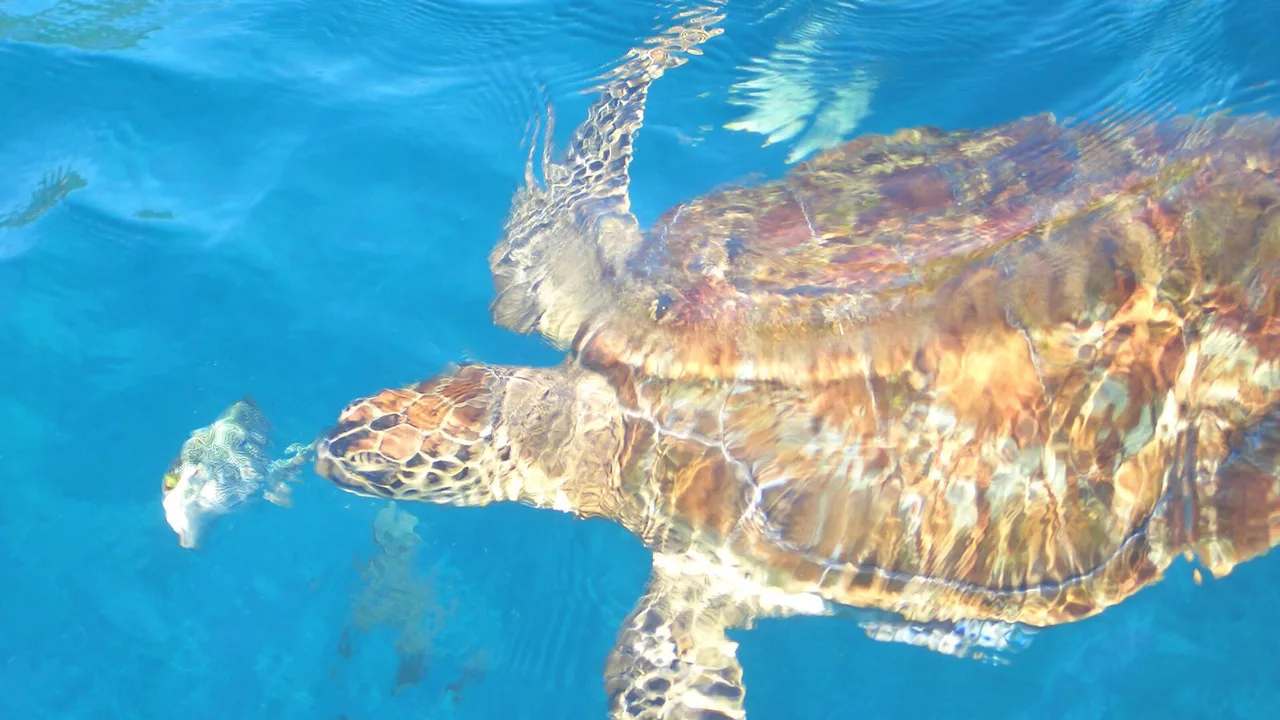
A missed dugong does not have to mean an empty trip. Sea turtles in Thailand are another large, slow animal to look for. Read about dolphin watching for open-water sightings.
On a dive or snorkel day, manta rays and giant clams offer bigger reward for the effort. Smaller finds include seahorses and octopus. Browse the full marine life hub to plan the rest of the coast.
Frequently Asked Questions
What are the predators of dugongs?
Sharks and killer whales prey on dugongs. Tiger sharks occasionally attack isolated or weakened animals. In Thailand, the bigger killers are human-linked: starvation from seagrass loss, boat strikes and fishing bycatch.
Are there manatees in Thailand?
Thailand's sea cow is the dugong. Dugongs have a notched tail like a whale's, while manatees have a rounded tail. Dugongs live only in saltwater, and manatees can also live in freshwater.
Can I touch a dugong?
No. Dugongs are wild and protected, so keep your distance and never touch, chase or feed them. Give mothers with calves extra room.
Notes for your next dive trip
Optional updates to our Thai diving guides.
You might also like

Continue reading
More guides you'll find useful