Elephant Head Rock, Similan Islands Guide
What Elephant Head Rock is in the Similan Islands, who it suits, when to go, and how to reach it by day trip or liveaboard.
On this page
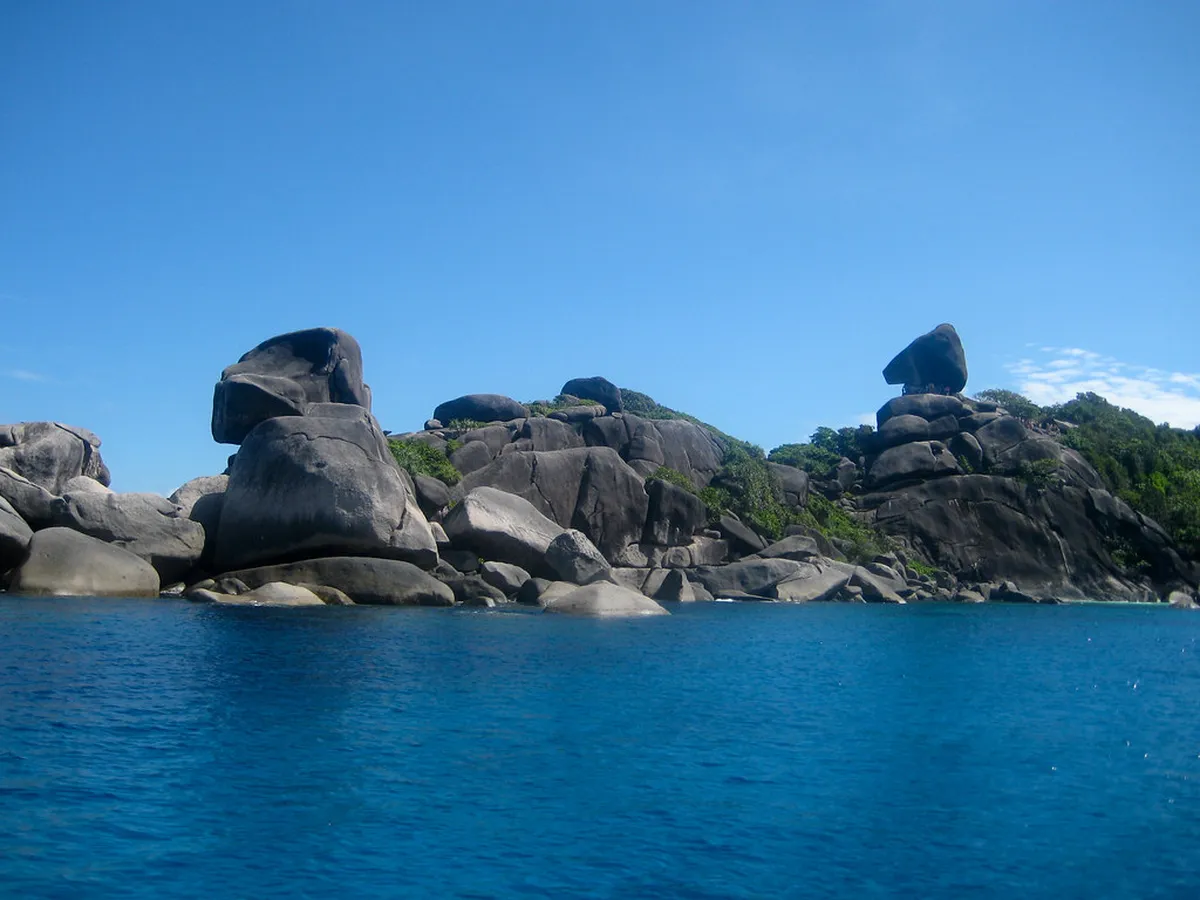
Last updated November 2026: Elephant Head Rock is a granite boulder dive site off Island 7 (Koh Payu) in Mu Ko Similan National Park, Thailand. It suits certified divers best, and it is not the Iceland, Arizona or Wyoming formation of the same name. Use this guide to decide whether it belongs on your Similan dive plan and how to reach it.
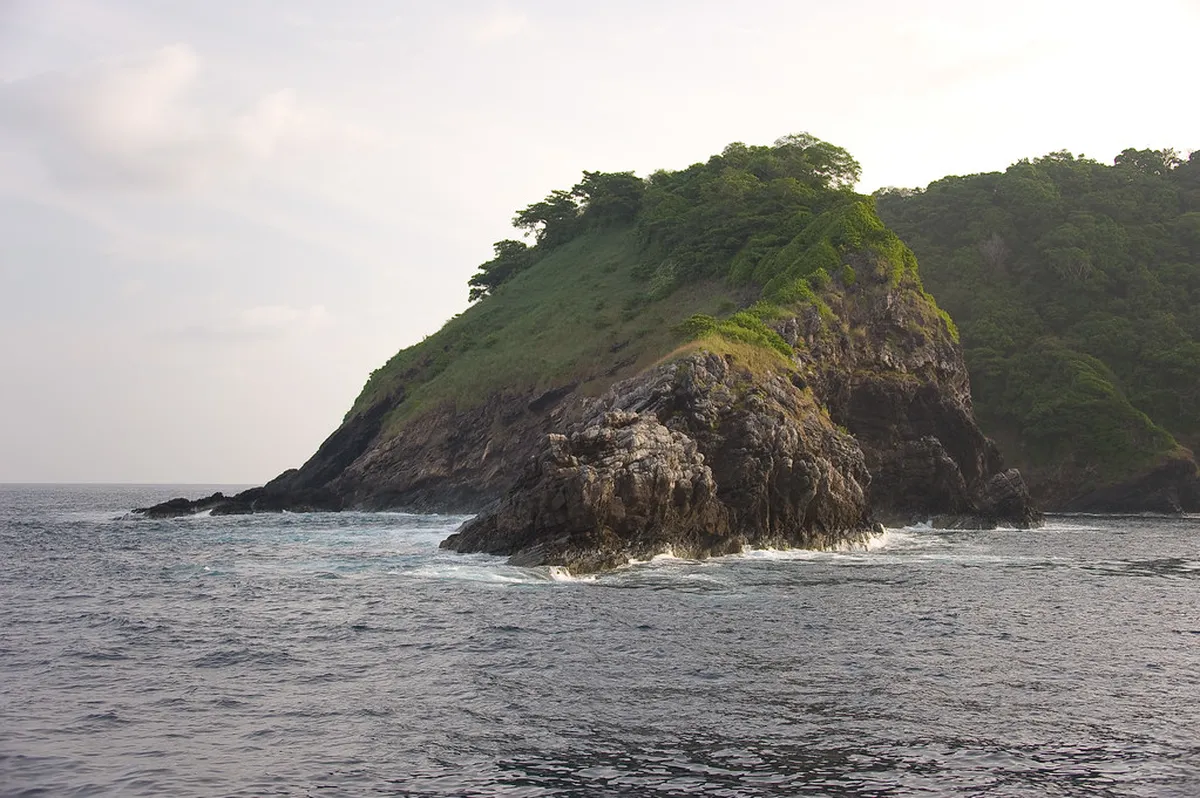
Featured image: josh.ev9, CC BY-SA 2.0, via Flickr.
What Elephant Head Rock Is (and Where It Is)
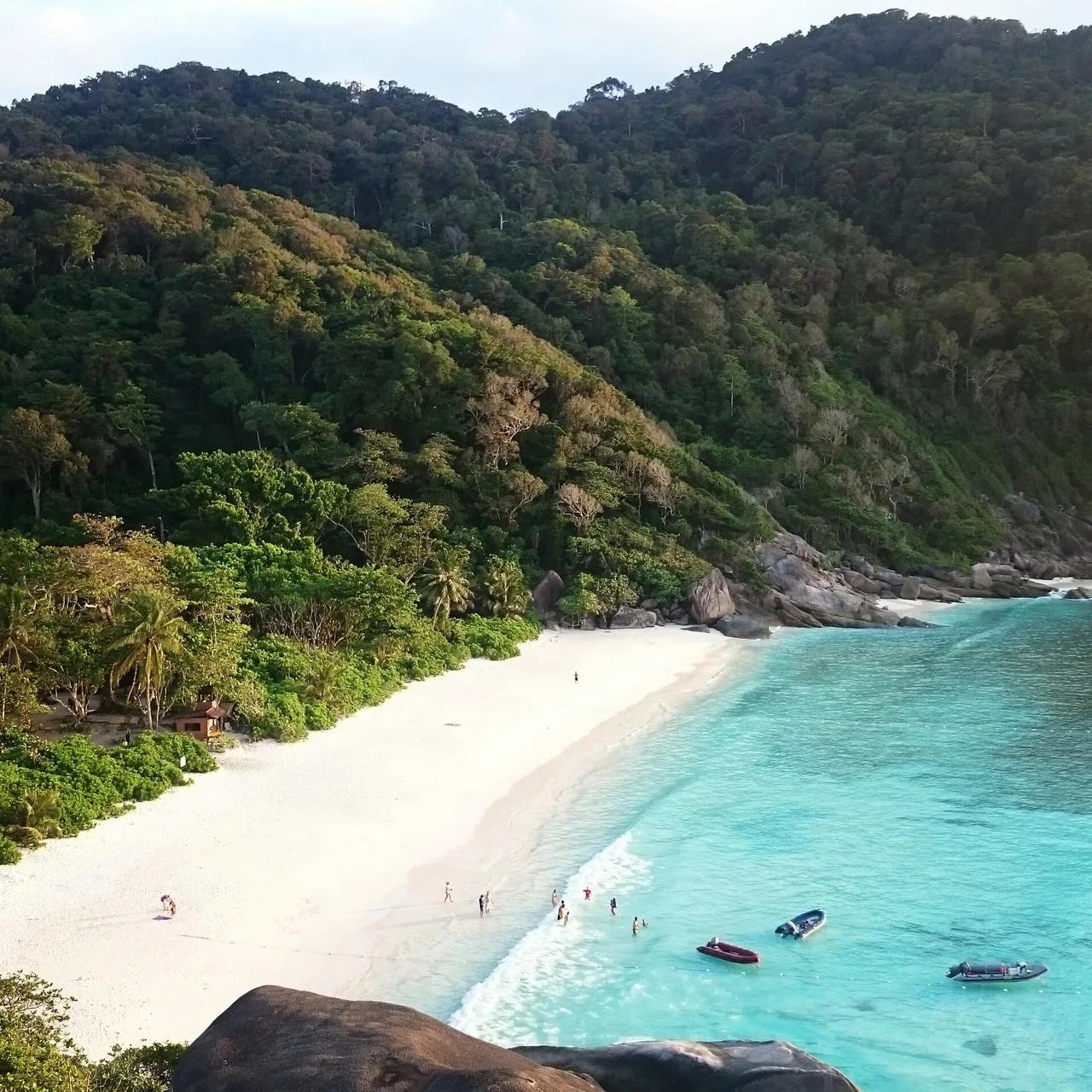
Elephant Head Rock sits off Island 7 (Koh Payu) in the Similan Islands, in the Andaman Sea off Thailand's southwest coast. Dive centers describe a cluster of large granite boulders with gaps between them. Divers weave through those gaps rather than swim over open reef. Searches for the name also return rock formations in Iceland, Arizona and Wyoming. None of those has anything to do with this dive site. Mu Ko Similan National Park is run by Thailand's Department of National Parks, and the park sets the season and the rules for every boat that visits.
What You'll See Underwater
Granite is the headline here. Boulders stack into arches, channels and swim-throughs, and dive centers sell the site on that topography. Expect the layout to matter more than any single animal. Light moves through the gaps between boulders, so the dive feels closer to exploring a rock garden than drifting along a wall. Wildlife varies with season, current and visibility. Your dive guide can tell you what has been showing up on recent dives. Ask about the planned route before you jump in, because the best passages depend on the current that day.
- Swim-throughs and arches between large granite boulders
- Gaps and channels that reward good buoyancy control
- Light and shade that change with the time of day
- Marine life that shifts with season and current
Dive or Snorkel? Who It Suits
Elephant Head Rock is first a scuba site. Swim-throughs call for solid buoyancy and calm habits around rock. Open Water divers with a few dives behind them can usually handle the topography when the sea is easy. Snorkelers should ask the operator whether the day's conditions allow a surface visit at all. Surge and current can change a site within a few hours. For a first Similan day, many snorkelers are better served by a sheltered bay such as Donald Duck Bay, Similan Island 8: Snorkeling & Guide.
| Visitor | Fit | What to ask your operator |
|---|---|---|
| Newly certified diver | Possible in calm conditions | Current, surge and group size |
| Experienced diver | Strong fit | Best route through the boulders |
| Snorkeler | Depends on the day | Whether a surface visit is offered |
| Non-swimmer | Poor fit | A sheltered beach stop instead |
How to Get There
Boats reach the Similans from the Andaman coast, with Khao Lak and Phuket the usual departure points for day trips and liveaboards. Day trips are shorter and cheaper in relative terms. They also visit fewer sites in a day. Liveaboards cost more but cover more water and can include far-flung sites such as Koh Bon: Manta Dive Site North of the Similan Islands. Ask whether Island 7 is on the itinerary before you pay, because operators choose sites by conditions. Fares, departure times and transfer length differ by operator and season, so compare current quotes from two or three companies.
| Option | Cost level | Time | Sites reached |
|---|---|---|---|
| Day trip by speedboat | Lower | One long day | Fewer sites |
| Liveaboard | Higher | Several days | More sites, farther out |
Best Season and Park Rules
Mu Ko Similan National Park opens for a limited window each year and closes for the rest. The Department of National Parks publishes the current season dates, the entry fee and the marine park rules on its official site. Operators build their schedules around that window, so any trip you book should fall inside it. Park conduct rules are strict about the reef. Do not touch, stand on or collect coral, shells or rock. Keep your fins clear of the boulders when you pass through the gaps.
How It Compares With Nearby Similan Sites
Pick a site by experience level and the conditions on the day. Start from all Similan dive sites and narrow down from there. Deeper, more exposed sites such as Koh Tachai: Diving, Snorkeling and Access Rules suit liveaboard itineraries. Christmas Point is a useful comparison for how conditions affect a dive. Sheltered or beginner-friendly options include Similan Island 4 (Koh Miang): What to Know Before You Go and Similan Island 8 (Koh Similan): Donald Duck Bay, Access & Tips.
| Site | Best for | Reached by |
|---|---|---|
| Elephant Head Rock, Island 7 | Boulder swim-throughs | Day trip or liveaboard, by itinerary |
| Koh Bon | Farther-out diving | Mostly liveaboard |
| Koh Tachai | Farther-out diving | Mostly liveaboard |
| Christmas Point | Comparing conditions | Itinerary dependent |
| Donald Duck Bay | Easier snorkeling | Day trip |
| Similan Island 4 | Gentler alternative | Day trip |
| Similan Island 8 | Gentler alternative | Day trip |
Mistakes to Avoid
Do not book a day trip expecting every Similan site. Operators visit only a few sites per day and change plans with the sea. Do not ignore current and visibility reports, since both decide whether the swim-throughs are enjoyable or tiring. Do not touch or stand on coral and rock. Do not assume the park is open all year. If conditions are rough, ask your operator to move you to a calmer stop like Island 4 or Island 8 rather than forcing the plan.
Notes for your next dive trip
Optional updates to our Thai diving guides.
You might also like
Continue reading
More guides you'll find useful