Surin Islands Diving: Richelieu Rock, Season & Trip Options
Plan Surin Islands diving: what Richelieu Rock offers, when the park is open, liveaboard vs day trip, and who it suits. Check current rules before booking.
On this page
Last updated November 2026. Surin Islands diving comes down to one headline site, Richelieu Rock's pelagics, reached by Surin liveaboard or a long day trip from the mainland. It runs only in the dry-season window when Mu Ko Surin National Park is open. Open Water divers comfortable with current and depth can enjoy it, while complete beginners are better served at shallower reefs.
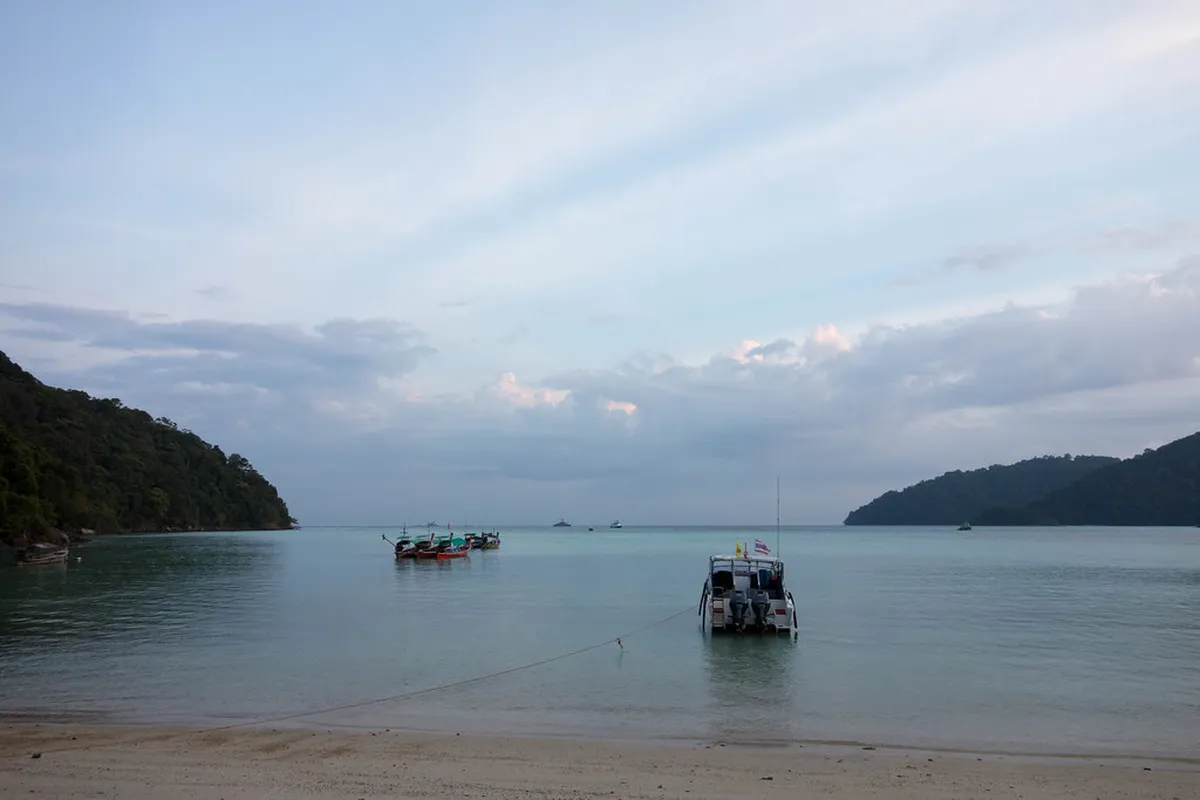
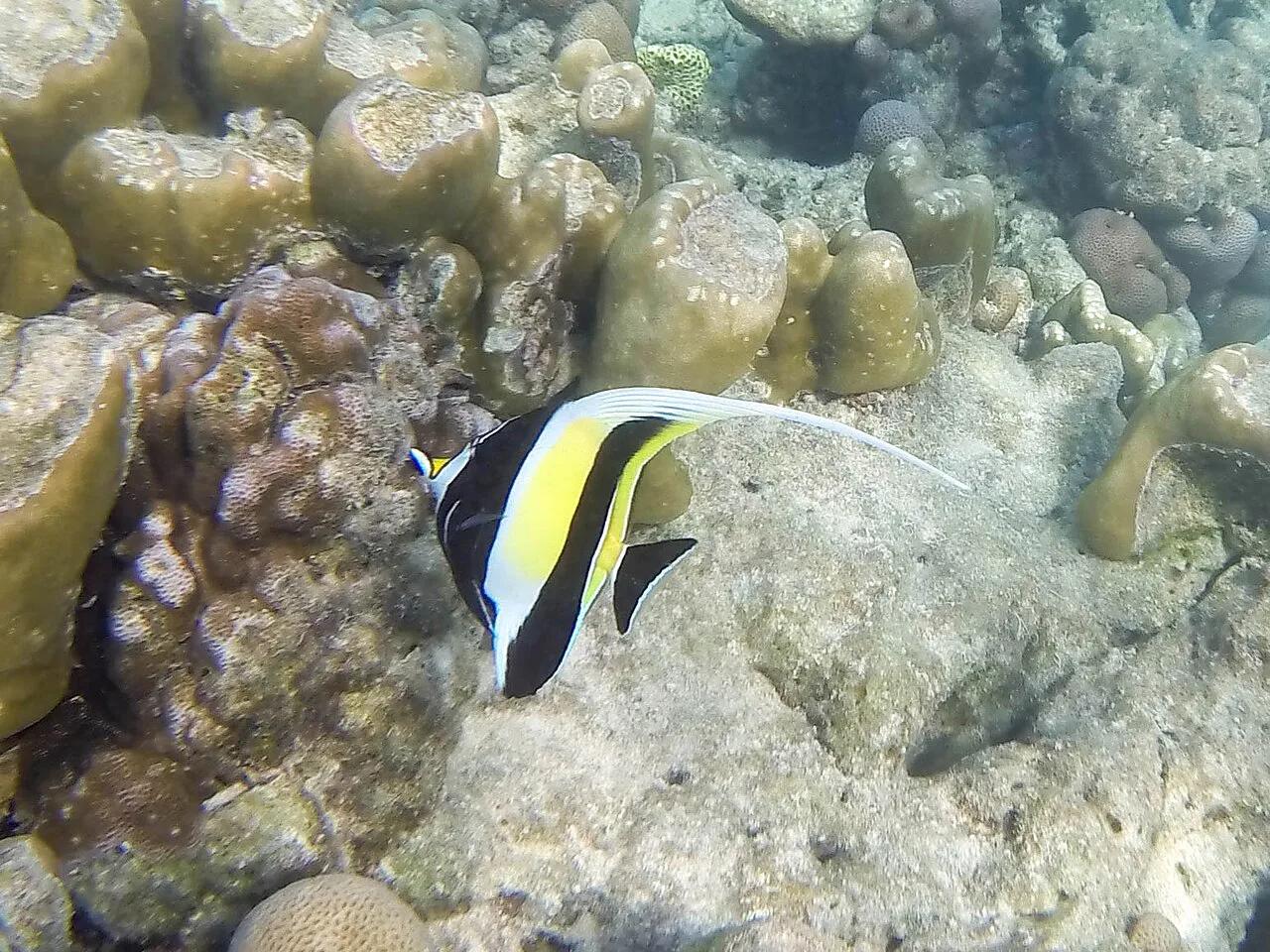
Featured image: Mr.CMBurns, CC BY-SA 4.0, via Wikimedia Commons.
Is Surin Islands diving worth the trip?
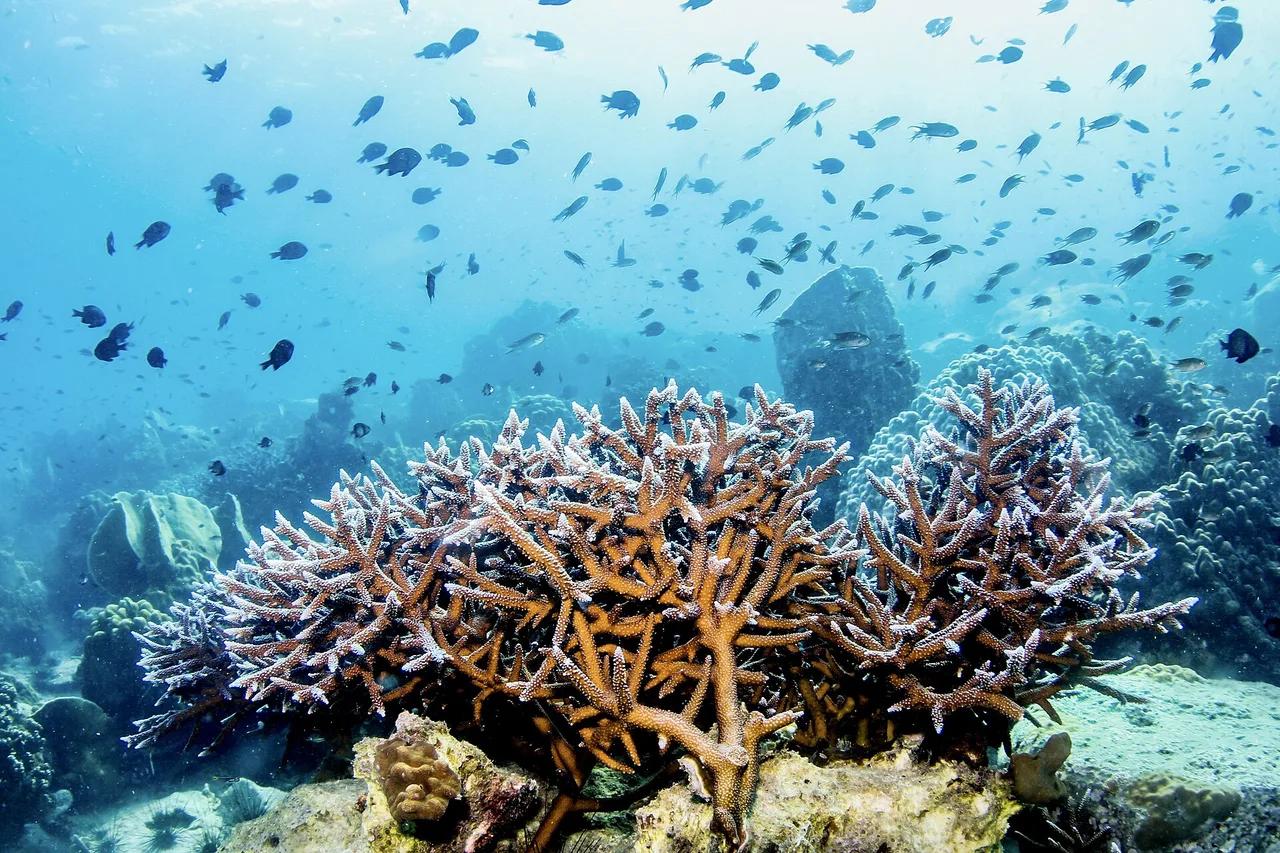
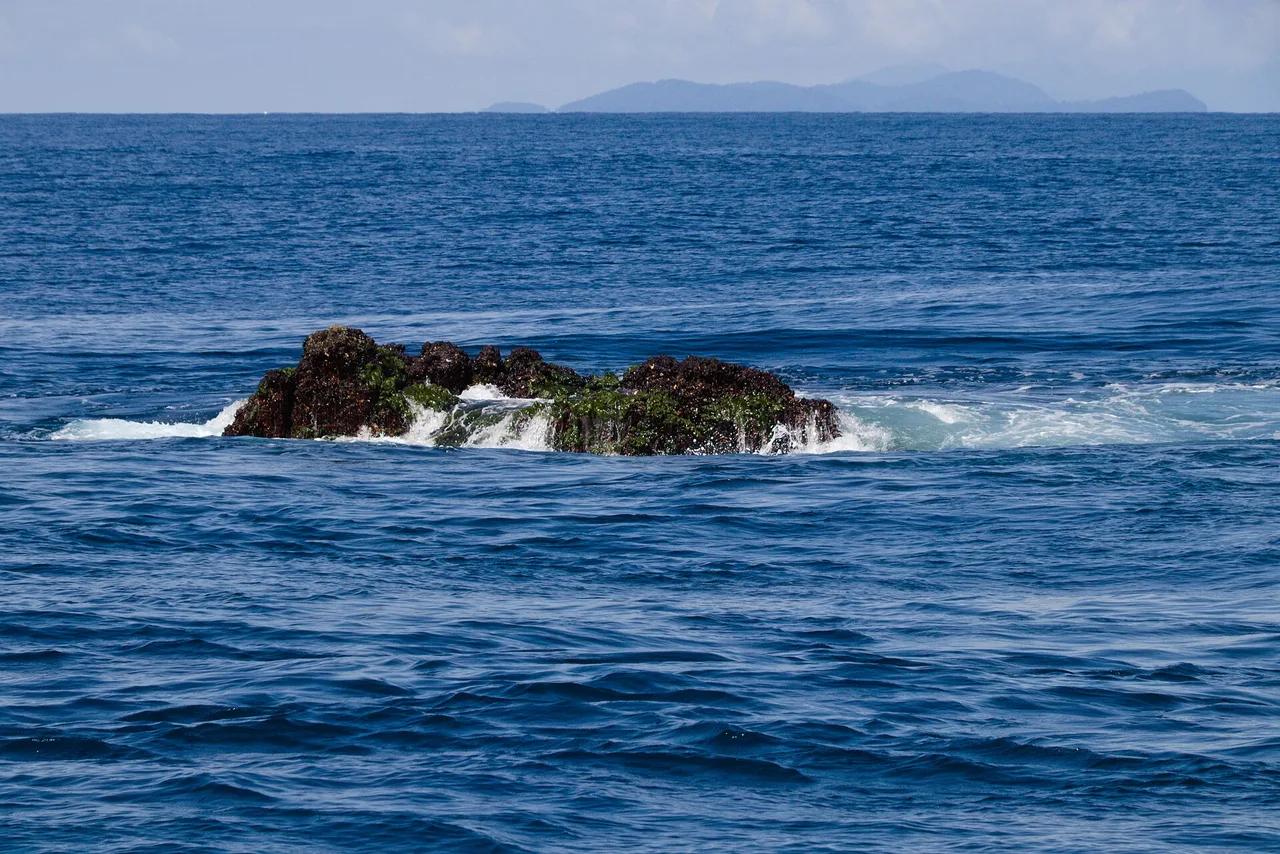
Yes, if you want big-animal potential and a quieter park than the Similan group. Richelieu Rock is a pinnacle that competitors and operators describe as rising from roughly 130 ft to near the surface. Reports describe a gentler coral slope on one side and a steeper wall with small caves on another. Frogfish, seahorses, ghost pipefish and nudibranchs hide on the slopes. Barracuda, trevally and rainbow runners patrol the open water. Manta rays and whale sharks are sometimes seen, but sightings are never guaranteed. Skip it if you are newly certified, dislike current, or need a guaranteed animal encounter. If you only want reef time, snorkeling around Surin covers the shallow side.
Surin vs Similan: what you are booking
Surin and Similan are separate marine national parks in the Andaman Sea. Surin is the quieter one, with shallow reefs and a Moken community on land. Most diving here is sold inside Similan liveaboard itineraries rather than as a standalone Surin product. A trip titled "Similan" may therefore include no Surin time at all. Operators typically add Richelieu Rock as a northern stop, with other Similan-area sites such as Koh Bon and Koh Tachai appearing as itinerary context. Access to Koh Tachai has changed over the years, so read the current park notices before you pick an itinerary. Ask which days are spent at Richelieu Rock and how many dives that includes.
Richelieu Rock and other Surin dive sites
Richelieu Rock is the one site you can name with confidence. Operators and dive publications report average depths near 60 ft, with the deeper sections beyond 130 ft. Visibility is reported anywhere from roughly 50 to 130 ft, and current ranges from mild to strong. Treat these as typical ranges, not promises. Beyond Richelieu, we cannot confirm a set of named, regularly guided dive sites inside Surin proper. Shallow reef around the islands is mainly used for snorkeling and surface-interval swims.
- Pelagics: barracuda, trevally, tuna and rainbow runners on the edges.
- Macro life: frogfish, seahorses, ghost pipefish and nudibranchs on the slopes.
- Big animals: manta rays and whale sharks are possible, never assured.
- Sea life on the walls: anemones with clownfish, moray eels and cuttlefish.
Best time to dive the Surin Islands
Diving follows the park's open season. Reports put the closure at about mid-May to mid-October, when monsoon seas make boats unsafe and reefs recover. Liveaboards therefore run from roughly mid-October through mid-May. Check the exact opening and closing dates with the Department of National Parks, since they can shift each year. Conditions are generally calmer early in the season, and the dry months are usually more comfortable on deck. Do not assume Similan-area manta timing applies to Richelieu Rock. Ask your operator what they typically see in the weeks you plan to travel.
Liveaboard vs day trip: which fits?
Sea transit is the main trade-off. Day trips from the mainland typically mean a boat ride of two hours or more each way, which leaves limited time underwater. Liveaboards sleep at sea and reach Richelieu Rock early, when many divers prefer it. If Surin is your goal, a liveaboard that includes it is usually the better fit. Day trips suit travelers with a short window and a tolerance for rough water.
| Factor | Liveaboard | Day trip |
|---|---|---|
| Duration | Overnight to about a week | One long day |
| Sea transit | Done overnight | Typically 2+ hours each way |
| Dives | More dives, including early starts | Fewer, fixed by the schedule |
| Cost level | Mid to premium | Budget to mid |
| Flexibility | Operator can adjust sites to conditions | Limited by return deadline |
| Best for | Certified divers chasing Richelieu Rock | Short stays, mixed groups |
Certification, experience and safety
Richelieu Rock is often rated intermediate to advanced because of depth and current. An Advanced Open Water card and some logged dives make the trip far more comfortable. Open Water divers can join many itineraries, but should say so upfront and expect the guide to cap depth. Ask about surface marker buoys and drift procedures before you roll in. Carry dive insurance that covers decompression treatment, and read the safety basics from Divers Alert Network. Nitrox is offered on some boats and helps with multi-dive days.
Open Water divers should know that the deeper sections lie beyond 130 ft, so the depth limit matters more than the average.
| Your level | What to expect | What to ask |
|---|---|---|
| New Open Water | Shallow reef dives are likely; Richelieu may be limited | Which sites fit my depth limit? |
| Advanced, some logged dives | Most Richelieu Rock profiles are manageable | How strong is current this week? |
| Experienced diver | Full access, including deeper sections | Is nitrox available, and are drift dives planned? |
- Who should skip: divers with fewer than a handful of logged dives, anyone anxious in current, and travelers who need a guaranteed whale shark.
Getting there and logistics
Liveaboards and day boats typically depart from the Khao Lak and Phuket area. Operators handle the transfer. Boat transit to the park may take two hours or more each way. The DNP publishes park entry fees and rules, and operators say whether those are included. Book early for peak months. Gear rental is common, but ask about regulators and computers before you pay. Pack reef-safe sunscreen, a light layer for the deck, and seasickness tablets.
What drives the cost of a trip
Price depends on length, cabin type and group size. A multi-night liveaboard with a private cabin costs more than a shared cabin on a shorter itinerary. A day trip is generally the cheapest way in. Park fees, nitrox, rental gear, transfers and crew tips are the usual extras, and some operators bundle them. Compare quotes by asking exactly what is included, and read the cancellation terms if weather closes sites.
Generally the cheapest way in, but a day trip spends 2+ hours each way at sea, which cuts into underwater time.
Mixed groups and non-dive time
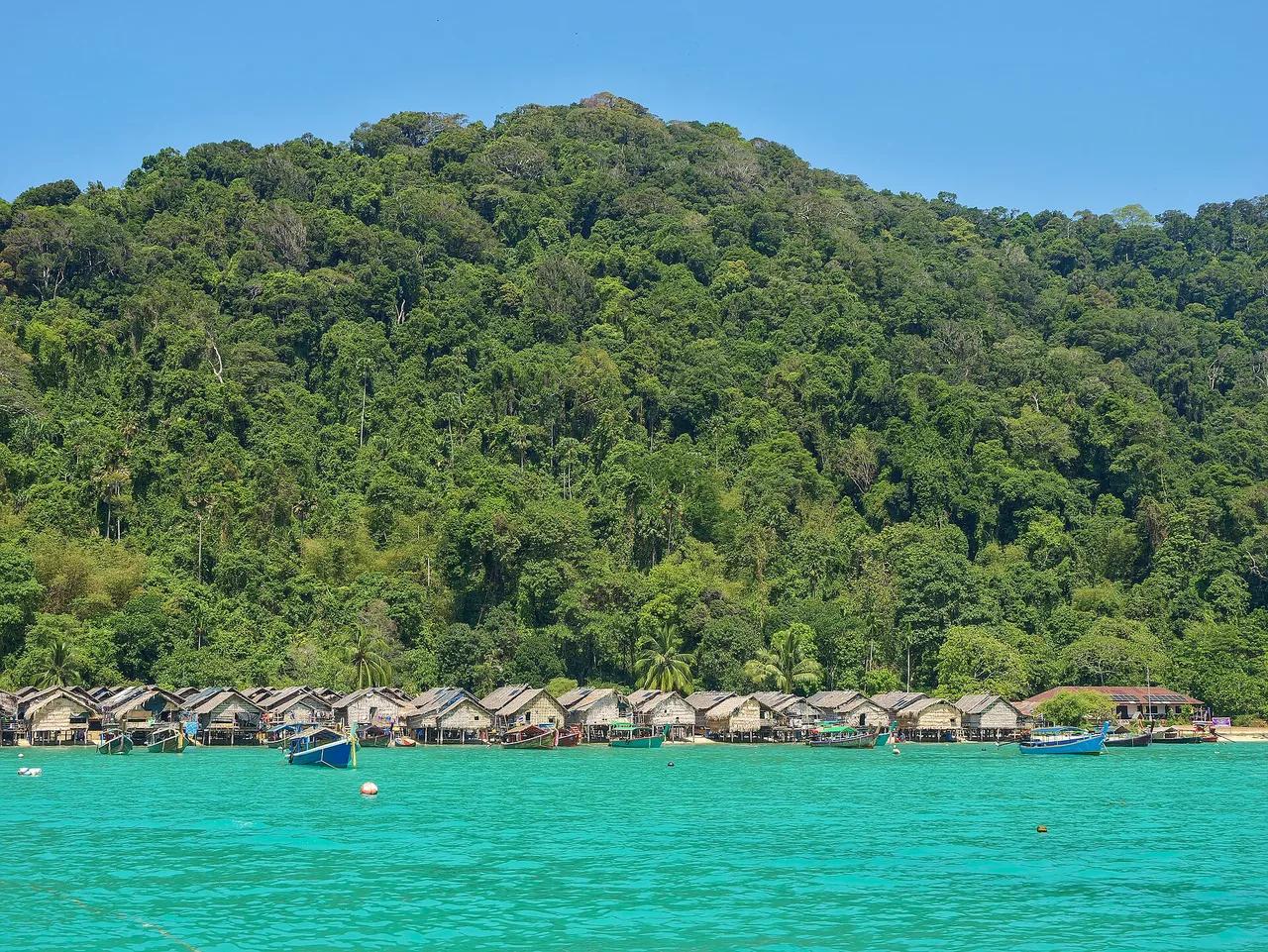
Divers and snorkelers can share a boat, then split at each stop. Snorkelers should read the guide to snorkeling around Surin before choosing a package. Non-divers can also look at non-diving island tours as an alternative. A visit to the Moken sea-nomad village makes a worthwhile cultural stop, subject to current park rules.
Mistakes to avoid and questions to ask
Four errors come up again and again. Travelers book a Similan trip and expect Surin time. They travel while the park is closed. They count on mantas or whale sharks. And they ignore the depth and current experience a trip assumes. Put these questions to the operator before you pay.
- Does the itinerary include Surin and Richelieu Rock, and on which day?
- How many dives happen there?
- What certification and logged dives do you require?
- What is your policy when current or weather is poor?
- Are park fees included?
- What happens if weather closes sites?
Frequently Asked Questions
How can I get to the Surin Islands?
Most divers go by liveaboard from the Khao Lak or Phuket area. Day trips exist but involve a long boat ride each way. Confirm schedules with the operator and the park authority.
Notes for your next dive trip
Optional updates to our Thai diving guides.
You might also like
Continue reading
More guides you'll find useful