Moken Village Surin: How to Visit Respectfully
Visit the Moken village in the Surin Islands: how to get there, what to expect, etiquette, and how it fits snorkeling or dive trips.
On this page
Last updated November 2026. Moken village Surin visits happen at Ao Bon on Ko Surin Tai, inside Mu Ko Surin National Park. Most travelers arrive on a snorkeling day trip, an overnight park stay, or a liveaboard shore stop. Our guide compares those routes and covers etiquette, seasons, and how to pair the village with reef days.
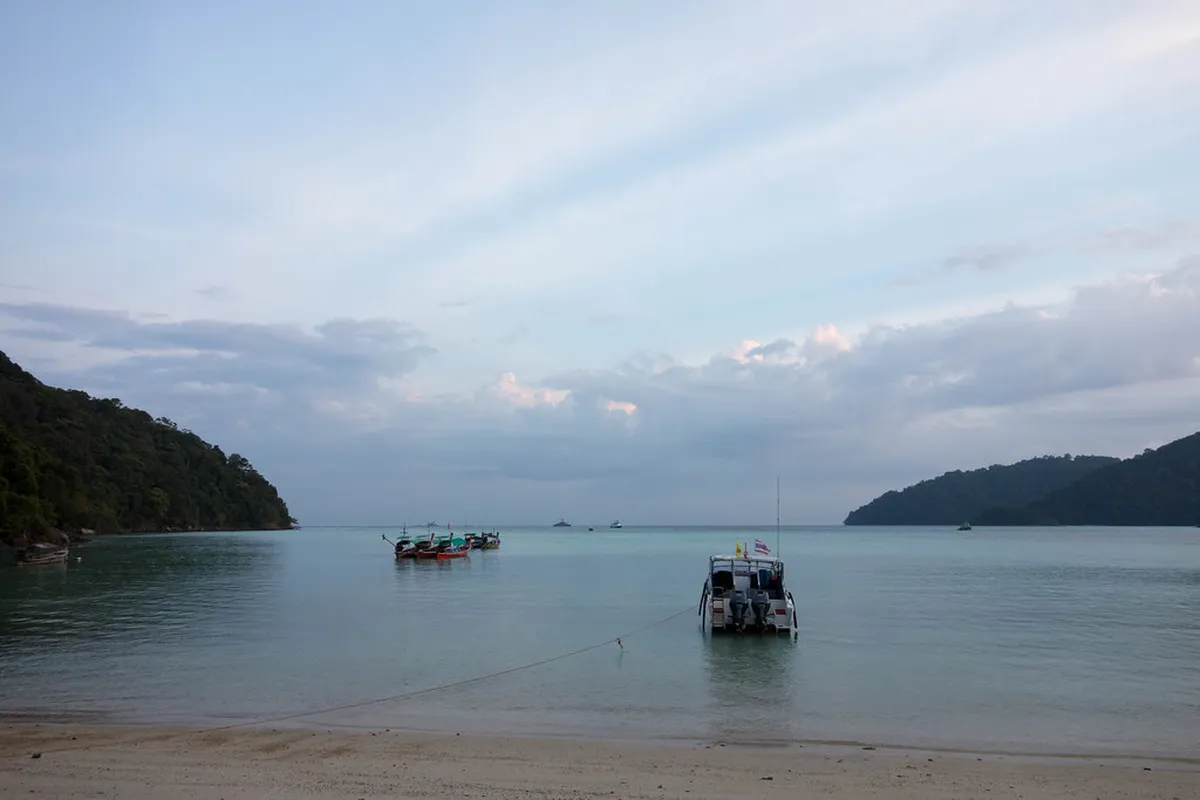
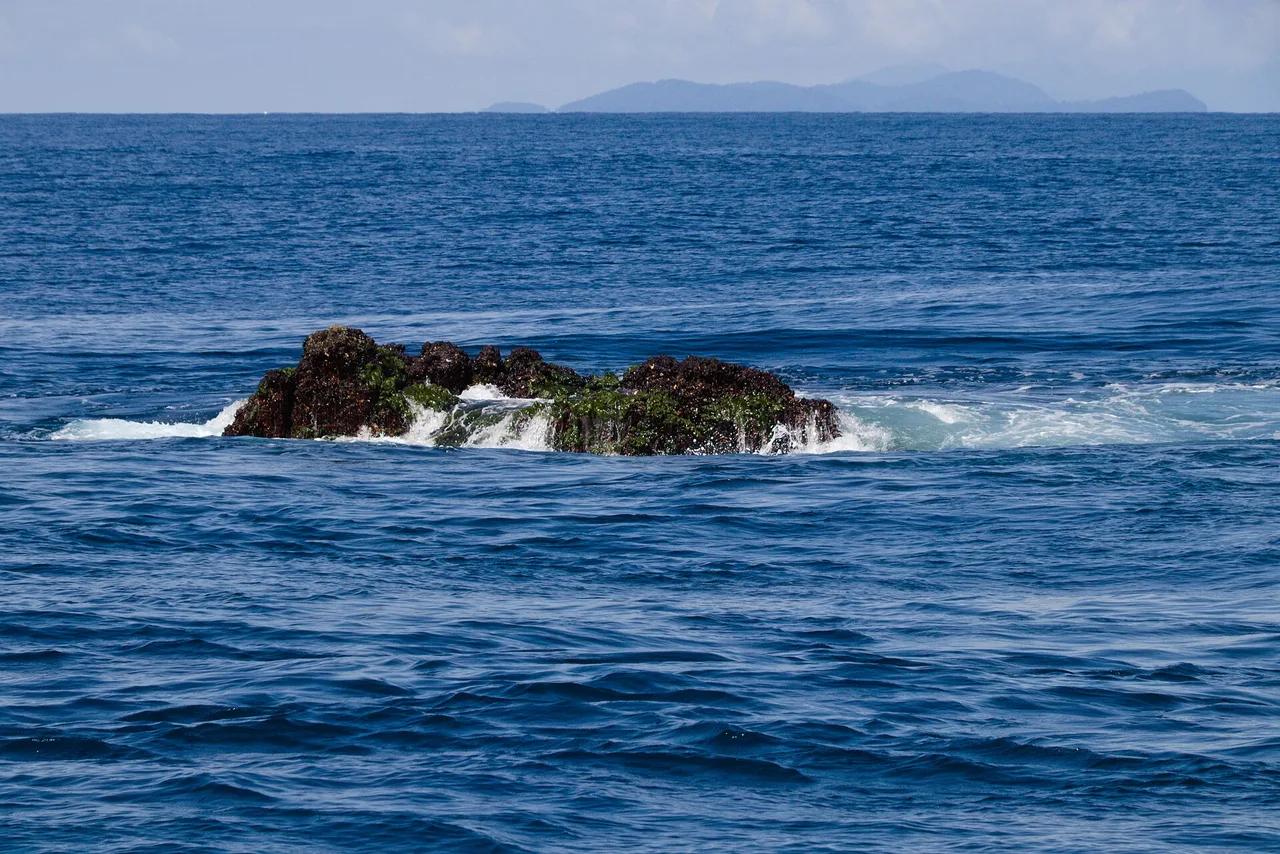
Featured image: The Cosmonaut, CC BY-SA 2.5 ca, via Wikimedia Commons.
Moken Village Surin: Where It Is and Who Can Visit
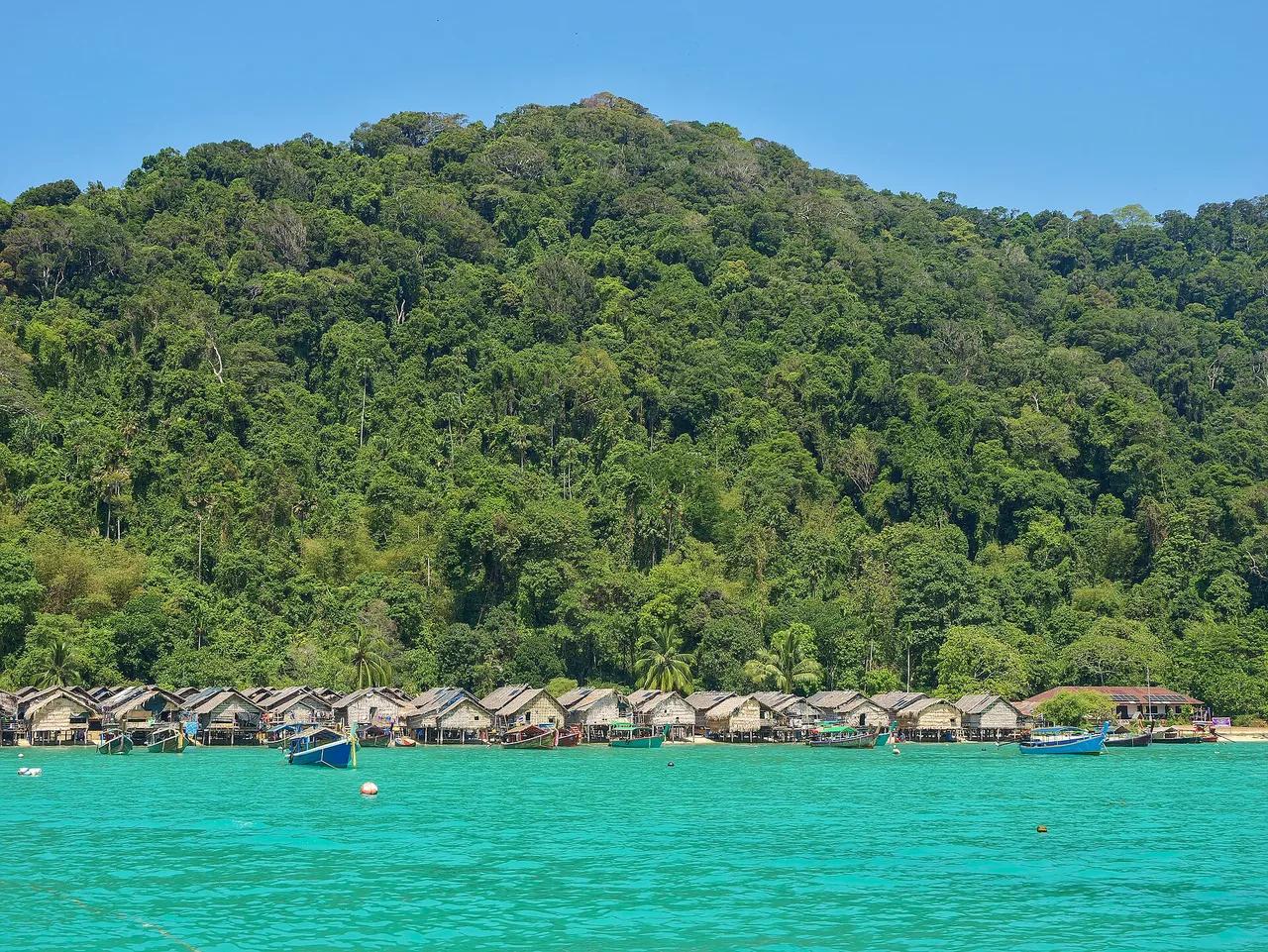
Ao Bon sits on Ko Surin Tai, within Mu Ko Surin National Park. Operator accounts say the Moken began settling here permanently by the early 1990s. They chose places once used only during the monsoon. One operator puts the population at roughly 300 people, without giving a date. Before the tsunami of 26 December 2004, two villages stood at Sai End and Ao Bon Lek, with about 20 households each. Visitors are welcome as part of a park trip, and the village is a living settlement rather than a ticketed attraction.
Two villages at Sai End and Ao Bon Lek once held about 20 households each, and one operator puts the population at roughly 300 people.
How to Reach the Moken Village From the Mainland
Boats leave the mainland near Kuraburi and Khao Lak. Transfer times and fares differ by operator and season. Compare the three routes below, then browse Surin Islands tour options for booking logistics.
| Route | Time on land | Flexibility | Cost tier | Best for |
|---|---|---|---|---|
| Day or snorkeling trip | Short stop, set by the boat captain | Low | Budget to mid | Travelers with one day |
| Overnight park stay (confirm availability) | Longest, including early and late hours | High | Mid | Slow travelers who want quiet hours ashore |
| Liveaboard shore stop | Short, fixed by the itinerary | Low | Premium | Divers already on a Surin route |
What You Will See at Ao Bon (and What You Will Not)
Operator accounts describe stilted bamboo homes, a health center, a school, a few souvenir stalls, and an information center. Boats are part of daily life here. The last kabang built in the Surin Islands dates to 2006, and a revival effort began in 2018. Expect a working settlement rather than a staged show. Tides, weather, and the day's activity decide how many people are out and which stalls are open. No visit can promise a demonstration, a meal, or a conversation.
Visiting Respectfully: Etiquette and What to Buy
Treat Ao Bon as a place where people live. Ask before photographing anyone, and keep your camera away from doorways and interiors. Buy handmade crafts at the stalls so the money reaches the makers directly. One liveaboard operator brings cooked food to share with villagers, so ask your own operator what suits the visit.
- Do ask permission before any portrait, and accept a no without comment.
- Do buy crafts directly from the maker or stall holder.
- Do dress modestly and keep voices low between the houses.
- Do follow your guide and park staff on where to walk.
- Don't hand out sweets or cash to children.
- Don't enter homes or point cameras into them.
- Don't treat daily routines as a show to watch.
Best Time to Visit and Park Seasons
Season decides whether you can go at all. Liveaboard operators cite October to May for the Similan and Surin islands. The monsoon runs roughly May to October, and boat access to the islands is limited then. Traditionally, the Moken lived on kabang boats in the dry months and camped ashore in the monsoon. Today's settlement at Ao Bon is permanent, so a visit in season finds a community at home. Exact park opening and closing dates are set each year by the national park.
Kabang boats were once used in the dry months, and a revival effort began in 2018 while today's Ao Bon settlement is permanent.
Costs, Fees, and What to Confirm Before You Book
Park entry and boat fares are not fixed in this guide, and village access rules can change. Check current figures with the Department of National Parks and your operator before you pay.
- Park entry fee and whether it is included in your tour price.
- Whether the village stop is on your itinerary or optional.
- Time allowed ashore at Ao Bon.
- Overnight accommodation options, if you want a longer stay.
- Current park season dates and any closures.
Who the Moken Are: Brief Context
The Moken are an Austronesian people of the Mergui Archipelago and the Surin Islands. In Thailand they are called chao le, meaning sea people. Traditionally they lived and traveled by sea, foraging with nets and spears, and moved between island camps.
The kabang was boat, kitchen, and bedroom in the dry months. Ao Bon residents retain more traditional methods than Moken communities elsewhere in Thailand, according to published research.
Moken in the Surin Islands read the sea before the 26 December 2004 tsunami and fled to higher ground. Their story is told today as local knowledge about reading the water.
How to Combine the Village With Snorkeling and Diving
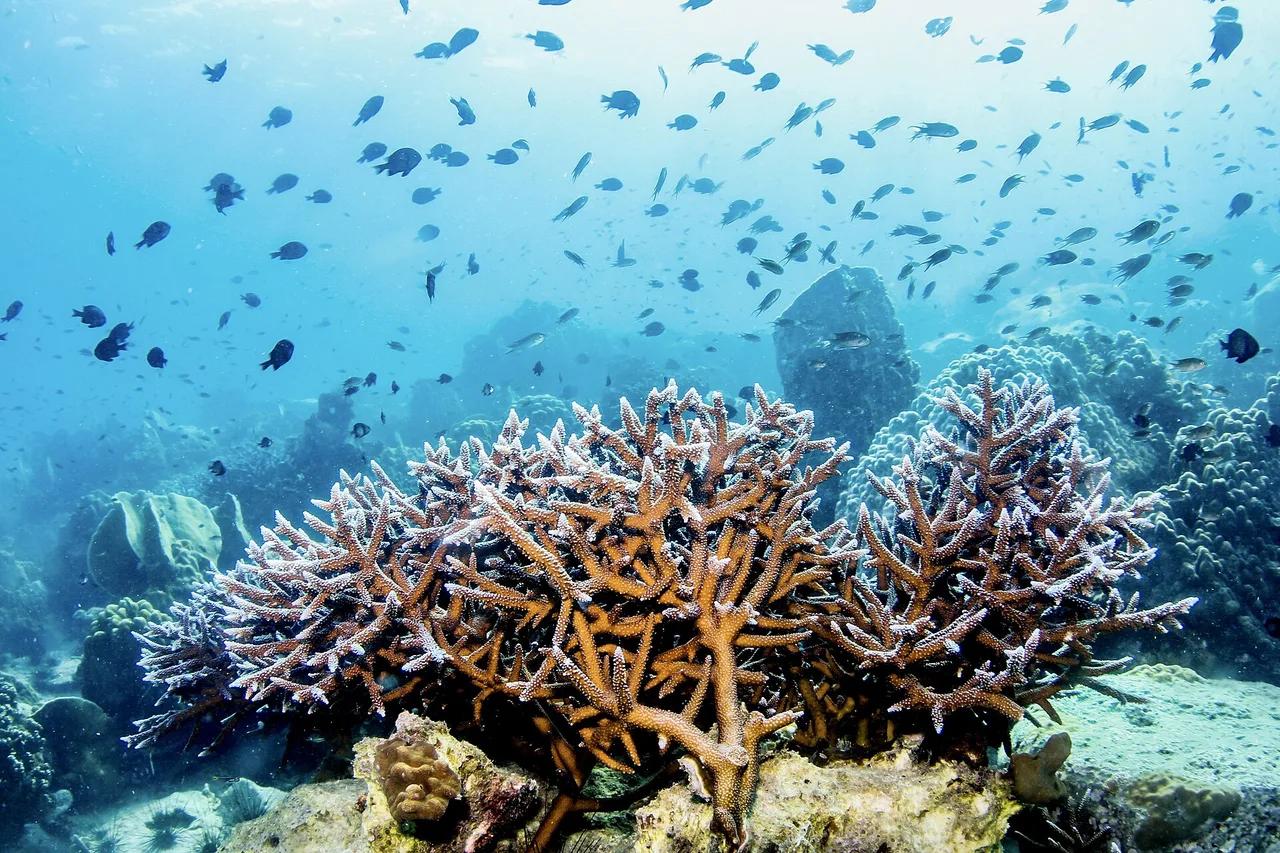
A village stop works best as a short break between reef sessions. On a day trip, pair it with the shallow reefs covered in our Surin Islands snorkeling guide. Divers can plan the stop around a liveaboard route in Surin diving trips. Richelieu Rock is a well-known dive site near the park, and Richelieu Rock dive planning explains how it fits into a longer trip. Divers should also read Divers Alert Network safety guidance before a multi-day trip. Leave the village at a relaxed pace rather than squeezing it between dives.
Frequently Asked Questions
What is the ethnic group of the Moken?
The Moken are an Austronesian people of the Mergui Archipelago and the Surin Islands. In Thailand they are called chao le, which means sea people.
How do the Moken people see underwater?
Researchers led by Anna Gislén reported in 2003 that Moken children constrict their pupils underwater and adjust their lenses. That reduces blur and gives sharper sight than European children had in the same test.
Is Surin Island open for tourism?
Yes, in season. Operators cite October to May for the Surin and Similan islands, with monsoon limits from roughly May to October. Check exact dates with the national park before you book.
Notes for your next dive trip
Optional updates to our Thai diving guides.
You might also like
Continue reading
More guides you'll find useful