Richelieu Rock: Thailand's Top Dive Site Guide
Richelieu Rock in Surin Islands: who can dive it, how to get there, best months, what to see, and whether it's worth the trip.
On this page
Last updated November 2026: Richelieu Rock is a remote offshore dive pinnacle in Mu Ko Surin National Park, reached only by boat. Divers come for dense marine life and a seasonal chance at whale sharks, usually on a liveaboard or a full-day dive boat from Khao Lak or Ranong. Snorkelers should start with the snorkeling options around Surin, because the top of the rock sits roughly 5–7 m (about 16–23 ft) below the surface.
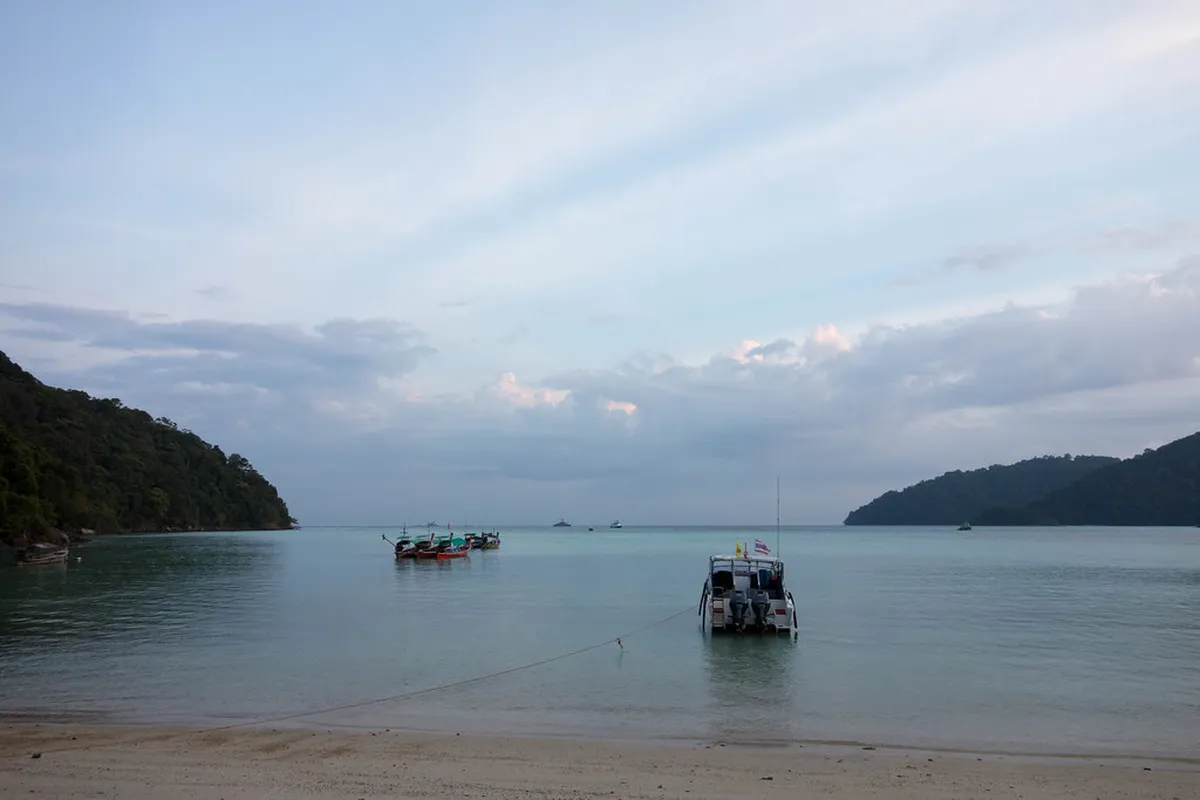
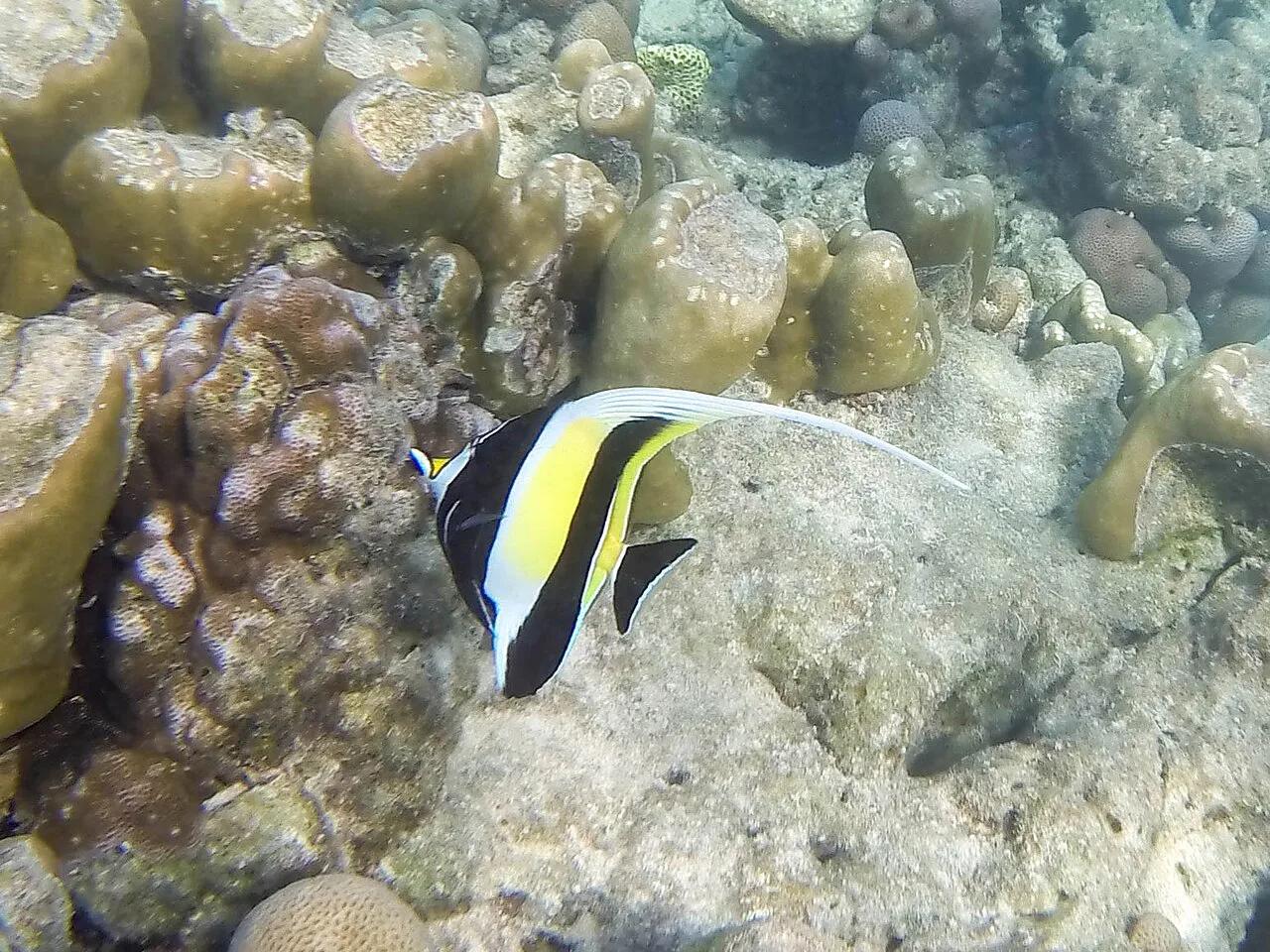
Featured image: Supachaiv, CC BY-SA 4.0, via Wikimedia Commons.
What Richelieu Rock is and where it is
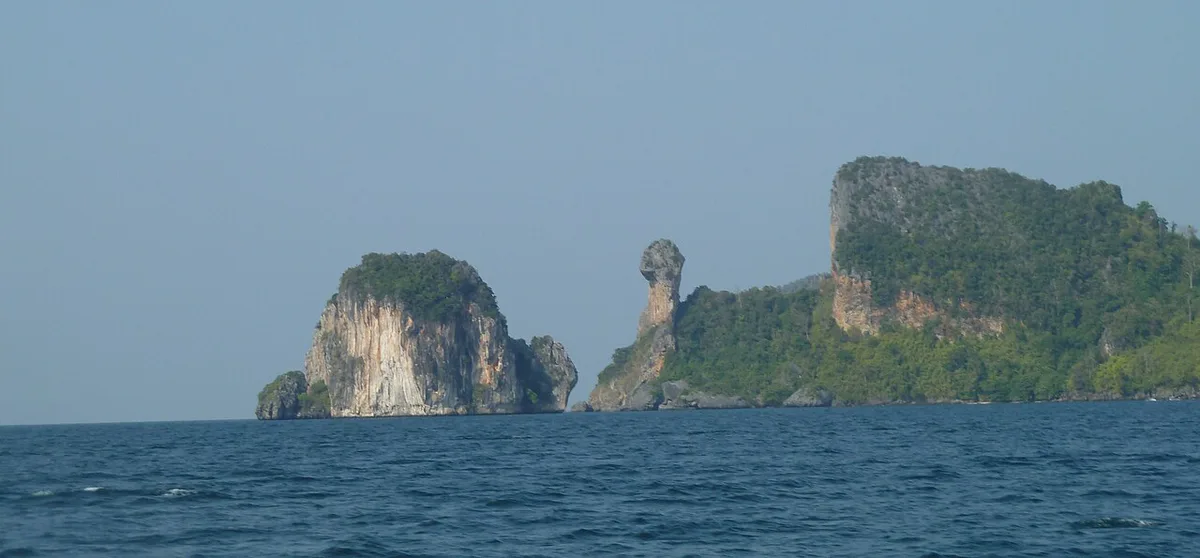
Richelieu Rock is an isolated, horseshoe-shaped limestone pinnacle in the Andaman Sea, east of the Surin Islands. No island or reef sits nearby, so dive boats hover over open water. At low tide a rough sliver of rock can break the surface. At high tide the whole structure is submerged. Operators commonly place it roughly 60 km (about 37 miles) off Thailand's west coast, though reference points differ. Boats leave from Khao Lak or Ranong. Everything here falls inside Mu Ko Surin National Park, which the Department of National Parks manages. Snorkelers face a hard limit. With the top reported at 5–7 m down, this is a scuba site, not a surface-snorkel site. Head to the Surin snorkeling guide for reefs you can see from the surface.
Is Richelieu Rock right for you?
Operators commonly rate the site intermediate to advanced. Nothing here is technically extreme. Still, blue-water descents, shifting currents, and boat traffic reward divers with steady buoyancy. Experienced beginners with a close guide are reported to cope, but the margin is thin. Use this checklist before you book.
- Advanced Open Water or equivalent training, with recent logged dives
- Comfort with a free descent where no reef is visible below
- Neutral buoyancy around fragile soft corals and sea fans
- Ability to deploy a surface marker buoy (DSMB) on your own
- Calm handling of a current that changes direction mid-dive
- Gauge checks every few minutes, even when macro subjects distract you
Who should wait and what to ask the operator
Open Water divers with only a handful of logged dives should build experience at gentler sites first. Nervous divers will find open-ocean descents stressful. Ask each operator which certification level and how many logged dives they require. Ask also whether a guide leads every dive. For certification levels, see general guidance on the PADI dive site pages. For operators and courses, use our Surin dive operator comparison.
What you'll see underwater at Richelieu Rock
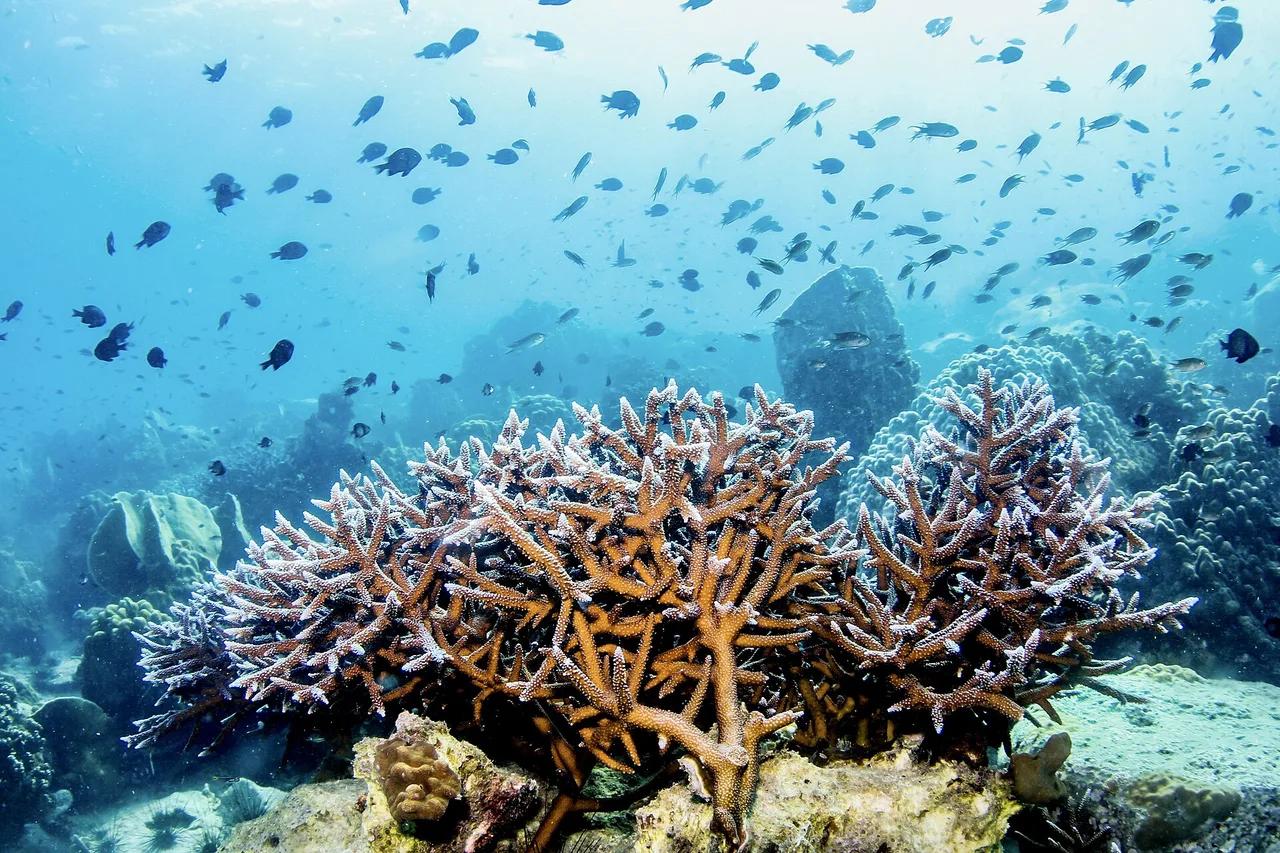
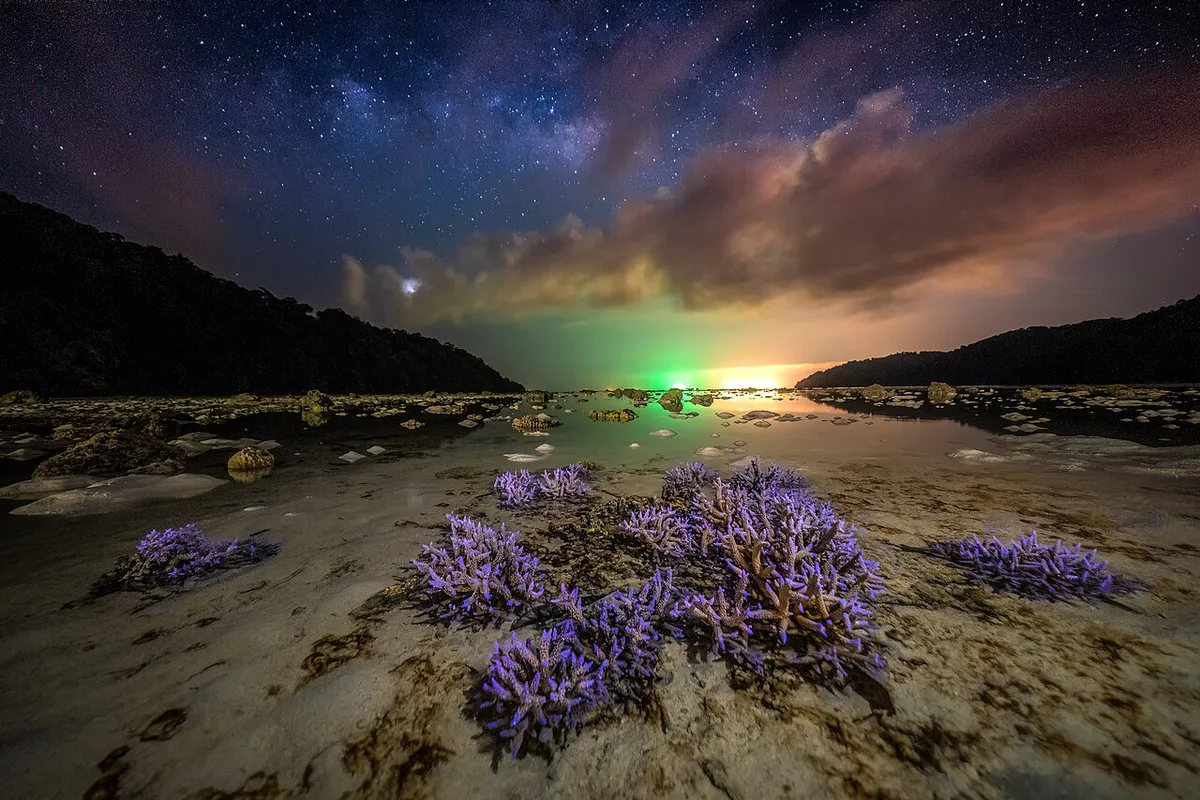
Dives usually follow the curve of the horseshoe. Outer walls drop steeply to roughly 28–35 m (about 92–115 ft) and suit scanning the blue. Calmer water sits in the inner bowl, where guides point out tiny residents. Soft corals in purple, pink, and red cover much of the rock. Sightings are never guaranteed, so treat the big-animal list as possible, not promised.
Outer walls reach 28–35 m, while the top at 5–7 m is where safety stops happen.
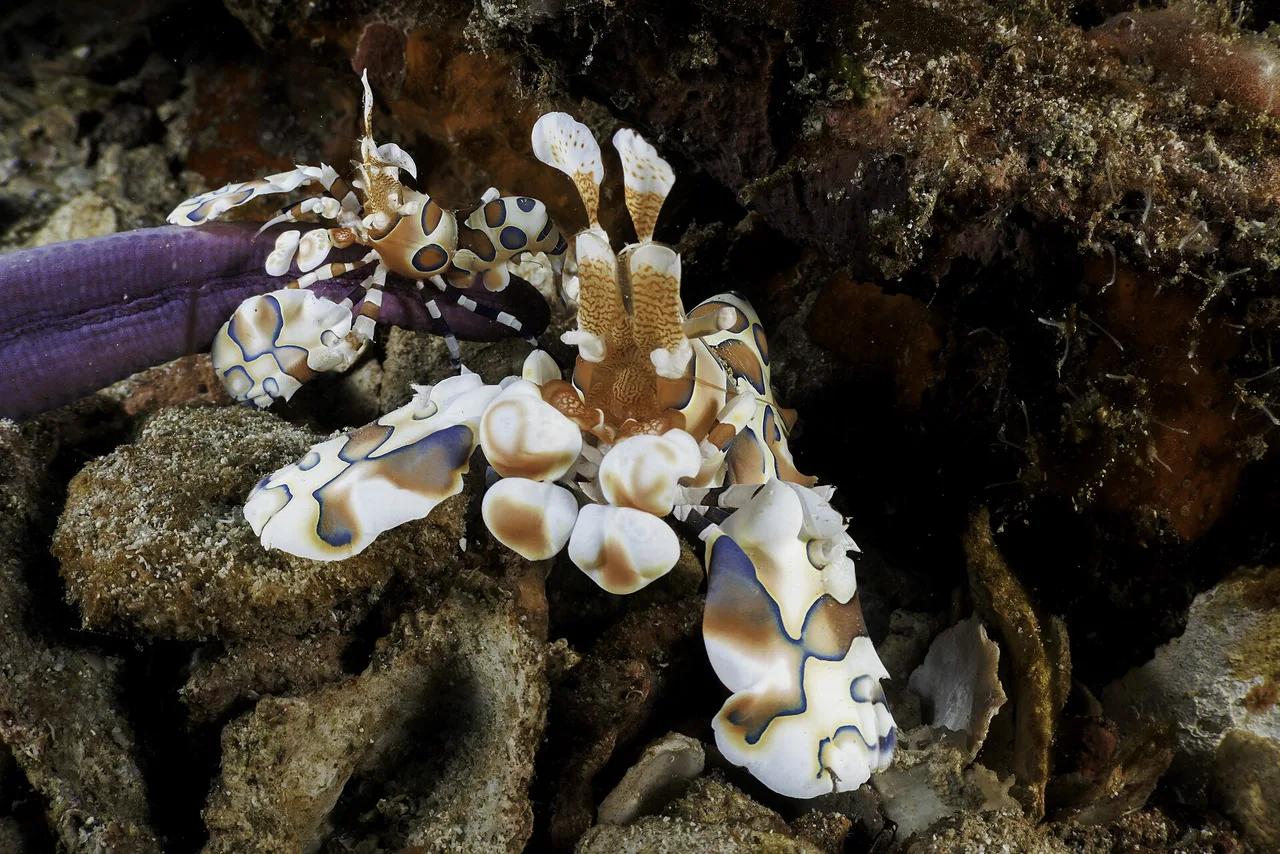
- Macro: harlequin shrimp, ornate and robust ghost pipefish, tiger tail seahorses, zebra morays, cuttlefish eggs
- Reef schools: glassfish clouds, fusiliers, snapper, bigeye trevally, lionfish, anemonefish gardens
- Big animals (possible, not guaranteed): whale shark, manta ray, great barracuda
- Pinnacle top at 5–7 m: anthias and schooling fish, useful for safety stops
Best time to dive Richelieu Rock
Dive boats work this site only while the national park is open. Operators typically report mid-October to mid-May. Exact opening and closing dates shift, so read the current notice from the national park authority before paying a deposit. Peak visibility comes in February to April, when 20–25 m is commonly reported. Across the season, reported ranges run from 10–25 m up to 15–40 m, driven by tide, plankton, and swell. Whale sharks are mostly linked to February through April. Sightings vary from year to year, so book for the reef and count a whale shark as a bonus.
| Period | What to expect | Trade-off |
|---|---|---|
| Mid-October to January | Early season, with visibility around 12–20 m reported and manageable currents | Fewer crowds and easier availability |
| February to April | Peak clarity and the main whale shark window | Busiest months, so book early |
| May | Season winds down toward the park closure | Check closure dates before committing |
How to get to Richelieu Rock: liveaboard vs day boat
Liveaboards from Khao Lak are the most popular route. They reach the rock early and often schedule several dives there. Full-day speedboats from Khao Lak or Ranong also run, and the crossing can be choppy. Some operators describe the site as liveaboard-only, so confirm what your boat offers. Khao Lak is reported to be about 90 minutes by road from Phuket. Package ideas and transfers are covered in our Surin Islands tour options.
Staying in Phuket adds a road transfer of 90 minutes before any Khao Lak departure.
| Option | Time | Cost level | Comfort | Dives at the rock | Crowds | Sea-sickness risk |
|---|---|---|---|---|---|---|
| Liveaboard | Several days | High | High | Often several | Lower at dawn | Low to mid |
| Multi-day short trip | 2–3 days | Mid to high | Mid | A few | Mid | Mid |
| Full-day speedboat | One long day | Low to mid | Basic | Usually one or two | Mid to high | Higher on rough crossings |
Conditions and safety basics
Reported maximum depth is 35 m (about 115 ft), with an average near 18 m. Entry is a giant stride from the boat. Nothing at the surface offers shelter, so boat crews rely on divers staying visible. Currents can switch direction and differ from one side of the horseshoe to the other. Surge can make the 5–7 m top hard to hold during safety stops. Carry a DSMB and monitor air and no-decompression limit often, because current and depth shorten both. General dive-safety resources are published by Divers Alert Network. Follow the operator's briefing over any general advice.
Costs and booking tips
No dive price is quoted here because trip rates change by season and boat. Relative levels still help. Liveaboards cost most but bundle accommodation, meals, and multiple dives. Day boats cost least per trip, though you pay for transfers and gear separately. Price drivers include cabin type, dive count, nitrox, and rental equipment. Park entry fees are set by the national park, so check the park authority's fee notice for current rates. February to April fills first. Book that window as early as your plans allow.
Photography and reef etiquette
Soft corals here are delicate, and a fin brush can cause lasting damage. Keep neutral buoyancy and never rest on the reef. Photographers cluster around popular critters such as harlequin shrimp, so take turns. Hover low during macro work to avoid scattering silt. For wide-angle shots, stay up-current of coral walls and keep one eye on the blue.
Quick history and name folklore
Dive lore credits Jacques Cousteau with bringing the pinnacle to international attention. Tellings place that in the 1980s, and one gives 1989, so treat the date as folklore. Two explanations for the name circulate. One links it to Cardinal Richelieu and the rock's red and violet corals. Another says Cousteau loosely translated a fishermen's description of its color. Neither is confirmed.
Make Richelieu Rock part of a wider Surin trip
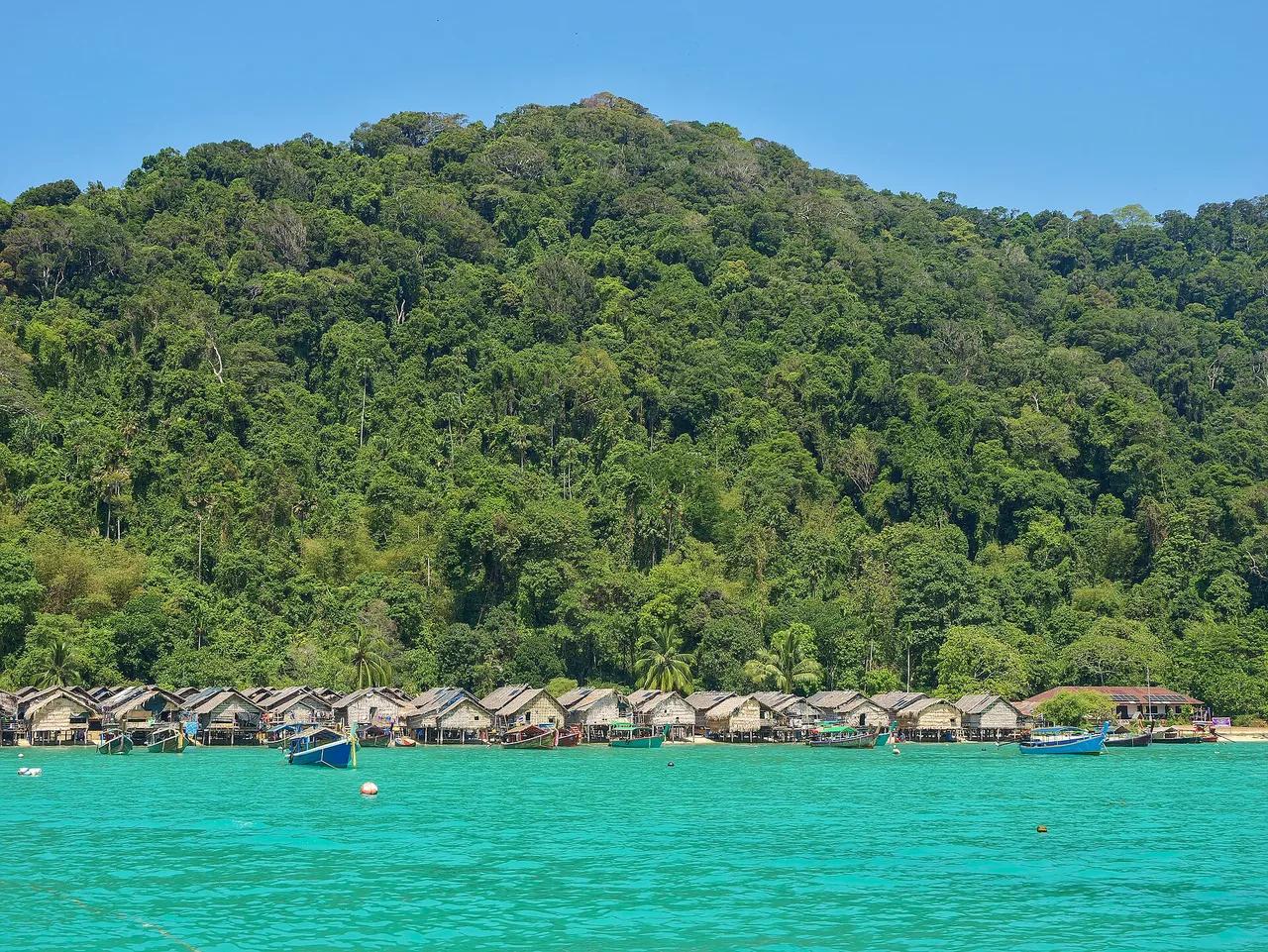
A trip here works best as one part of a longer Surin stay. Non-diving companions can follow the shallow reef snorkeling while you dive. Organized packages are laid out in our Surin trip planning guide. Add a cultural stop with the Moken village visit to learn about the sea people who live in the park.
Notes for your next dive trip
Optional updates to our Thai diving guides.
You might also like
Continue reading
More guides you'll find useful