Snorkeling for Non-Swimmers in Thailand: Safe-Start Guide
Can you snorkel in Thailand if you can't swim? Learn the comfort check, what vest to ask for, boat vs shore, and how to choose a calm spot.
On this page
Last updated November 2026. Snorkeling for non swimmers in Thailand is possible on guided trips with a flotation vest, but only if you feel calm floating face-down over water too deep to stand in. Independent shore snorkeling is a different and riskier plan. This guide gives you a comfort check, a gear list and a way to choose a spot, building on our Thailand snorkeling overview.
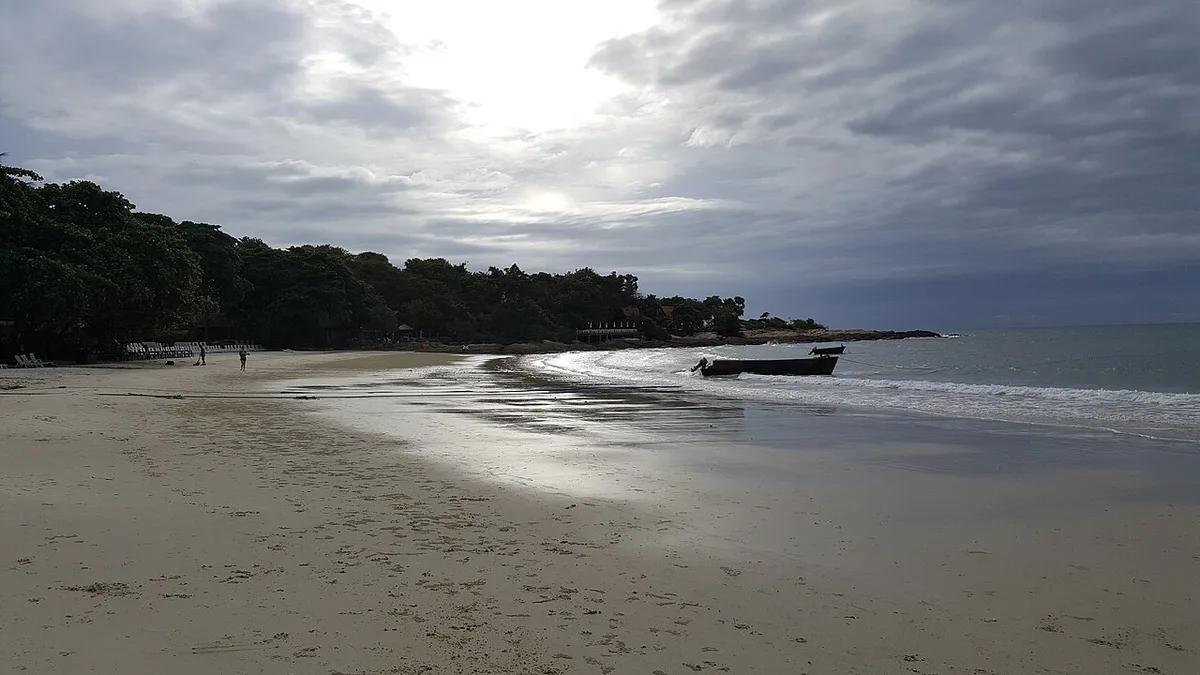
Featured image: Headshop5, CC0, via Wikimedia Commons.
Snorkeling for Non-Swimmers in Thailand: The Quick Answer
Yes, many non-swimmers snorkel in Thailand on guided boat trips. A fitted vest holds you at the surface, and a guide stays nearby. One condition matters most. You must feel at ease lying face-down, breathing through a snorkel, with nothing under your feet.
Flotation reduces effort. It does not remove waves, currents, panic or the need for supervision. Staying aboard is a valid choice if the idea of deep water makes your chest tighten. Solo shore snorkeling is the option to rule out first.
Which Kind of Non-Swimmer Are You?
Swimming ability is not one category. Match yourself to a row below, then use the right-hand column to decide what to say when you book.
| Swimmer type | What to tell the operator | What to ask for | Best fit |
|---|---|---|---|
| True non-swimmer | "I cannot swim at all." | Fitted snorkeling vest, a guide within arm's reach, permission to stay aboard | Guided boat trip with a ladder or platform, or stay aboard |
| Weak swimmer | "I tire quickly." | Vest, noodle or float, short sessions | Guided boat trip in a sheltered bay |
| Nervous swimmer | "Deep water makes me anxious." | Slow gear fitting, a buddy, a quiet first float | Guided trip, with a calm shore spot only if a guide joins you |
| First-timer | "I have never worn a mask." | Mask-fit help and a breathing demo in shallow water | Guided boat trip with a briefing |
A Two-Stage Comfort Check
Test yourself twice. The first check happens before you book. The second happens on the boat, when you can still say no.
Practice in a pool first. Wear a mask, snorkel and vest. Float face-down and breathe calmly. If you cannot stay relaxed there, open water will not be easier.
- Before booking: can you float face-down and breathe through a snorkel without gripping the pool edge?
- Before booking: can you understand and follow a guide's hand signals?
- On the day: listen to the briefing on conditions and the snorkeling area.
- On the day: have your vest and mask fitted, and name your buddy.
- On the day: agree stop signals and where the exit ladder is.
- Skip or stop if you feel panicked, dizzy, unusually tired, cold, short of breath or unhappy with your gear.
Flotation and Gear: What to Ask For
Ask for a vest meant for snorkeling, not just any life jacket aboard. Emergency jackets may not suit a face-down position. Have the crew fit it snugly before you enter the water.
A mask must seal without strap-tightening pain. Fins are optional, and many beginners do better without them at first. A noodle or float can add reassurance.
Training bodies such as PADI publish beginner snorkeling guidance worth reading before your trip. Vest supply varies between operators, so ask what yours provides rather than assuming.
Boat Tour vs Shore Snorkeling for Non-Swimmers
Near the beach does not mean shallow or calm. Depth can drop quickly, and waves and currents change with the day. A boat trip adds a guide, a ladder and a rescue route. Shore snorkeling usually offers none of these.
| Factor | Guided boat trip | Independent shore snorkeling |
|---|---|---|
| Entry | Ladder or platform, with crew help | Beach or rocks, with no help |
| Depth | Often too deep to stand | Can be shallow, then drop away |
| Current and waves | Operator picks the site and can reroute | You judge conditions alone |
| Supervision | Guide and crew present | Usually none |
| Rescue access | Boat close by | Depends on who is on the beach |
| Cost and time | Higher cost, with transfer time | Cheaper, but you carry the risk |
Choosing a Thai Spot for Non-Swimmers
Choose by criteria, not by a ranked list. Look for a sheltered bay, an easy entry, a guide ratio you can ask about, and limited boat traffic. Check what safety gear the vessel carries. Note how far you are from shore and from medical help.
No spot is safe by default, and conditions change daily. Our island comparison helps once you know your comfort level. For the Gulf coast, read about snorkeling tours from Koh Samet. Anglers of the Andaman side should note that Koh Mook Snorkeling: Is It Worth It? Emerald Cave & Trips has its own entry and boat logistics. Day-trippers can compare Hua Hin snorkeling options against those. Read each page for what it says about entry and conditions before you decide.
Season and Sea Conditions
Thailand has two coasts with different monsoon patterns. The Andaman Sea (Phuket and Krabi side) and the Gulf of Thailand (Koh Samet, Hua Hin and Koh Tao side) do not share the same rough-sea months. Check the Thai Meteorological Department forecast for your coast before booking.
For a first trip, pick a day with light wind and flat water. Ask the operator what happens if the sea turns rough. A good operator reroutes or cancels instead of pushing on.
Costs, Time and Access Trade-Offs
Prices and park fees change, so no fixed figure is given here. Check current national park fees on the Department of National Parks site, and ask your operator for its price. Small-group and private trips usually cost more but give you more attention, and open-water transfers can add to seasickness and nerves.
Questions to Ask Your Operator
Send these before you pay. Clear answers are a good sign. Vague answers are a reason to look elsewhere.
- How many guests does each guide look after in the water?
- Which vest do you supply for snorkeling, and can I see it?
- Does the guide have rescue or lifeguard training?
- Can I stay aboard if I change my mind?
- What is your cancellation policy in rough weather?
- Do you reroute or cancel if conditions are poor?
A Calm First-Session Plan
Follow these steps in order. Stop at any point.
- Pick the calmest window the operator offers.
- Brief the guide on your swimming ability.
- Fit your mask and vest in shallow water or on the boat.
- Float face-down for a short first try, holding the guide or ladder.
- Stay near the boat or guide throughout.
- Climb out before you feel tired.
Mistakes to Avoid
Most problems come from small decisions made early.
- Skipping the "I can't swim" disclosure.
- Wearing a loose vest.
- Standing on coral to rest.
- Chasing fish or turtles.
- Booking a trip only because it is cheap.
- Assuming shallow water is safe water.
- Snorkeling alone.
Marine Life Etiquette That Also Keeps You Safer
Do not touch or feed animals. Keep your fins and feet off coral, and float above it instead. Park rules differ by site, so read the notices at each pier. Calmer, slower movement also saves your energy.
Frequently Asked Questions
Can snorkeling cause pulmonary edema?
Rarely, some snorkelers report breathlessness or coughing after exertion in cold or tense conditions. Leave the water if you feel short of breath, and get medical help if symptoms continue.
What is the trick to snorkeling?
Breathe slowly through your mouth and keep your face down. Make sure your mask seals before you enter. Relax your legs and let your vest hold you up.
What is easier, snorkeling or scuba diving?
Snorkeling is simpler because you stay at the surface. It needs no certification, only a short briefing. Scuba requires training and carries more equipment and depth risks.
Notes for your next dive trip
Optional updates to our Thai diving guides.
You might also like

Continue reading
More guides you'll find useful