Khao Lak Water Temperature by Month: Swim, Snorkel and Dive Guide
See how warm the sea is in Khao Lak through the year, what it means for swimming, snorkeling and diving, and whether you need a wetsuit.
On this page
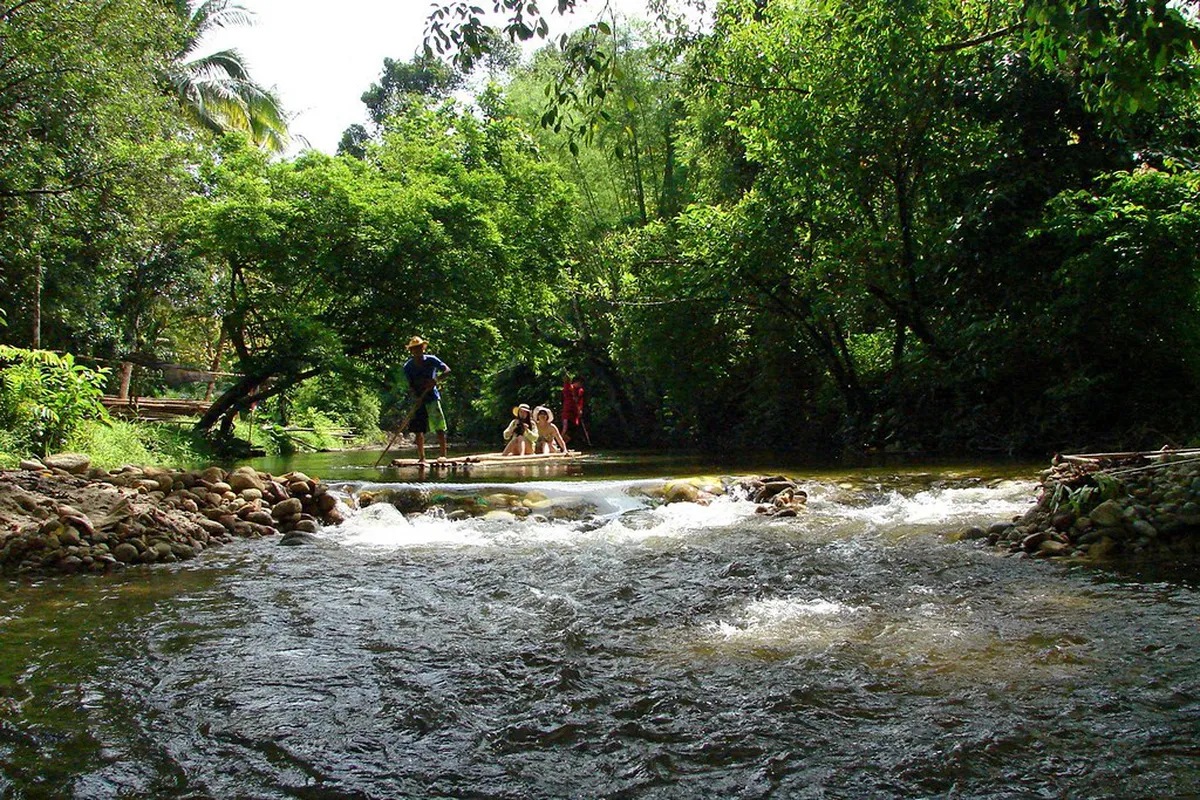
Last updated November 2026. Khao Lak water temperature stays warm all year, at roughly 28°C to 30°C (82°F to 86°F) at the surface. Season changes rain, swell and visibility far more than they change warmth, so your packing list matters less than your timing.
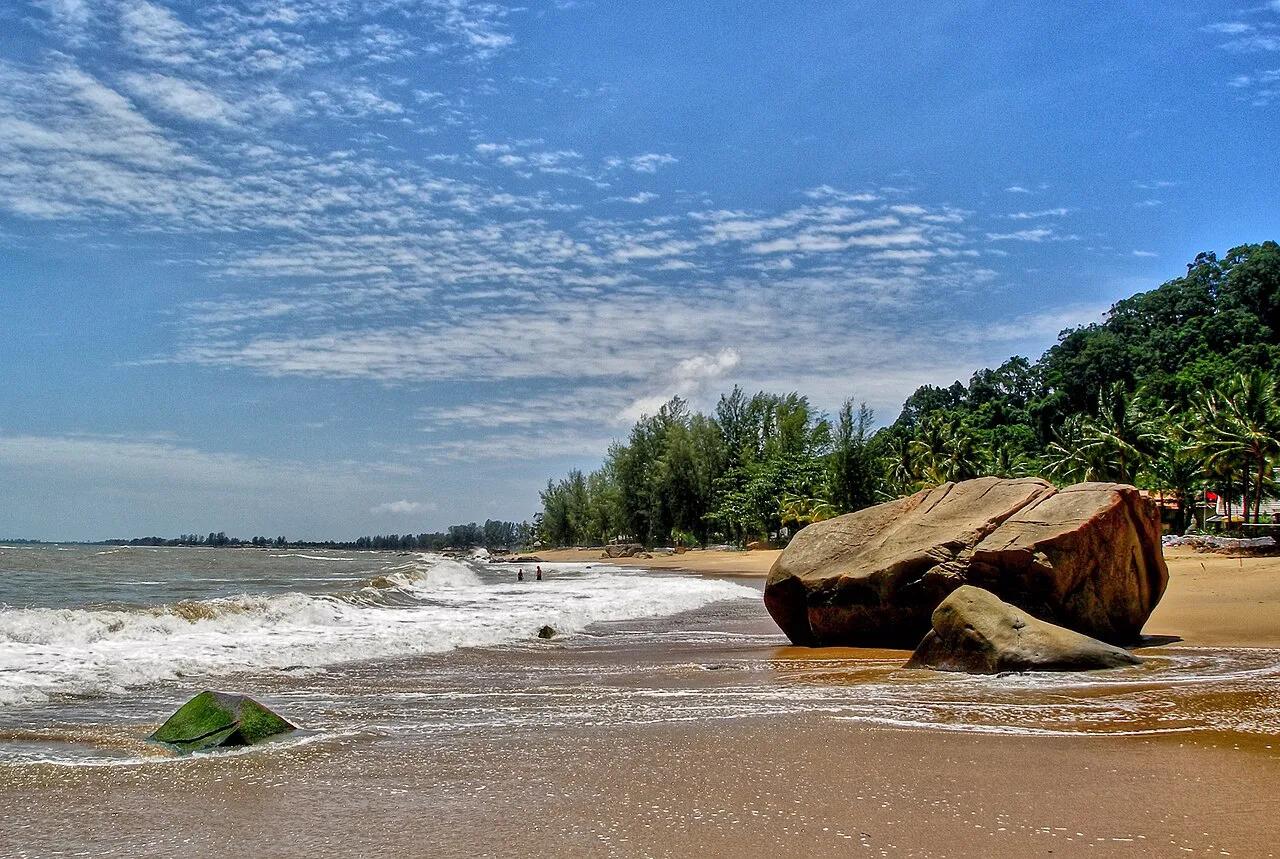
Featured image: Dirk Enthoven, CC BY 3.0, via Wikimedia Commons.
Khao Lak water temperature at a glance
Khao Lak sits on the Andaman Sea, and its surface water stays swimmable in every month. Weather records for the resort list April as the best swimming month, with an average sea temperature of 29°C (84°F). Regional records from nearby Ko Lanta show monthly averages between 28.5°C (83°F) and 30.6°C (87°F). Those are a proxy, not Khao Lak measurements. Treat them as a sensible range, and expect small differences from one beach or reef to the next.
- Typical surface range: about 28°C to 30°C (82°F to 86°F)
- Warmest stretch: March to May
- Coolest stretch: December to February, still warm by most standards
- Swimming: comfortable in all 12 months
Khao Lak water temperature by season
No single clean monthly series exists for the Khao Lak coastline, so this table uses seasonal averages from Ko Lanta records covering the past 10 years. Prices and figures checked November 2026. Khao Lak's own record puts the peak in April at 29°C (84°F), and three-year Khao Lak data places the warmest months between March and May. Use the table as a planning range, and check a current satellite reading before you pack.
| Season | Regional average (proxy) | What to expect | Practical effect |
|---|---|---|---|
| Winter (Dec–Feb) | 28.7°C (83.7°F) | Lowest monthly minimum on record: 26.8°C (80.2°F) | Swim and snorkel in shorts; a thin layer helps on long dives |
| Spring (Mar–May) | 30.3°C (86.5°F) | Peak heat; maximums reach 32.2°C (90°F) | Rash guard is enough for most people |
| Summer (Jun–Aug) | 29.9°C (85.8°F) | Warm water, but rain and swell increase | Warmth is no issue; sea state is |
| Autumn (Sep–Nov) | 29.4°C (84.9°F) | Steady and warm; October is the wettest month | Warm in the water, wet on land |
Does the season change the water, or just the conditions?
Mostly the conditions. Seasonal swings in sea temperature are only a couple of degrees, but rainfall is not. Resort weather records show October as the wettest month, with about 352 mm of rain. Rainy-day counts from three-year Khao Lak records peak in July at 17 days, followed by August and October at 15 days each. March is the sunniest month, with 21 sunny days. Warm water does not mean calm water. Rain, swell and visibility decide whether a day on the water is good. Our guide to the Khao Lak Diving Season: Best Months, Closures & What to Expect breaks those conditions down by month.
Autumn water still averages 29.4°C (84.9°F), while October brings about 352 mm of rain, so plan days around the rain.
Do you need a wetsuit in Khao Lak?
For swimming and snorkeling, no. With the surface near 29°C (84°F), most people stay comfortable in swimwear or a rash guard. Diving is a closer call. Long or repeated dives can chill you even in tropical water. Many divers choose a thin suit or a rash guard for that reason. Deeper water can feel cooler than the surface, and operators commonly mention this. Treat that as operator-reported, not measured. The Khao Lak diving hub covers the wider picture. Your dive operator's advice governs on the day. Compare options through our Khao Lak Dive Shops: How to Choose the Right One list. You can also ask about suit rental at Sea Dragon Dive Center.
- Snorkeling: swimwear or a rash guard
- Single shallow dive: rash guard or thin suit
- Long or repeated dives: thin suit for extra warmth
- Early boat departures: bring a dry layer for the ride back
Snorkeling vs diving: how temperature feels at different sites
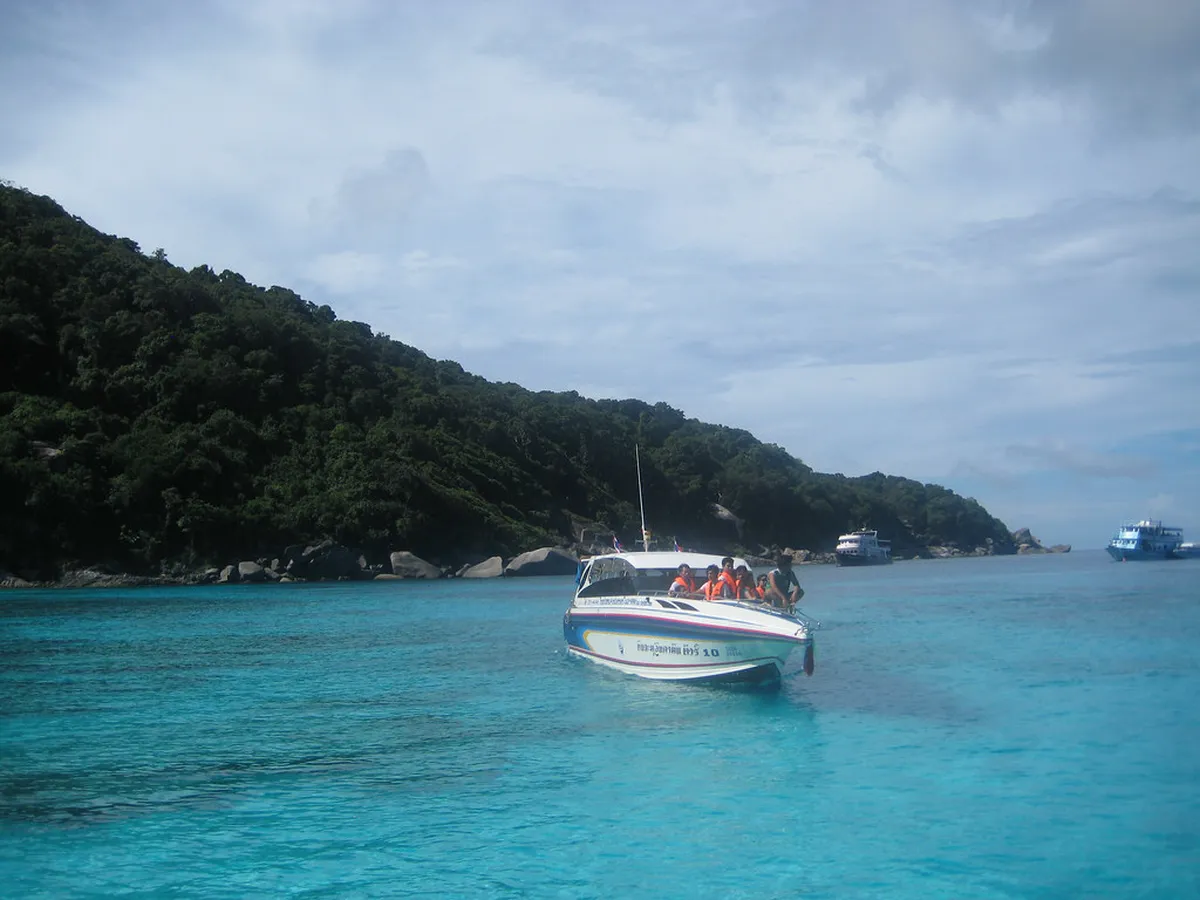
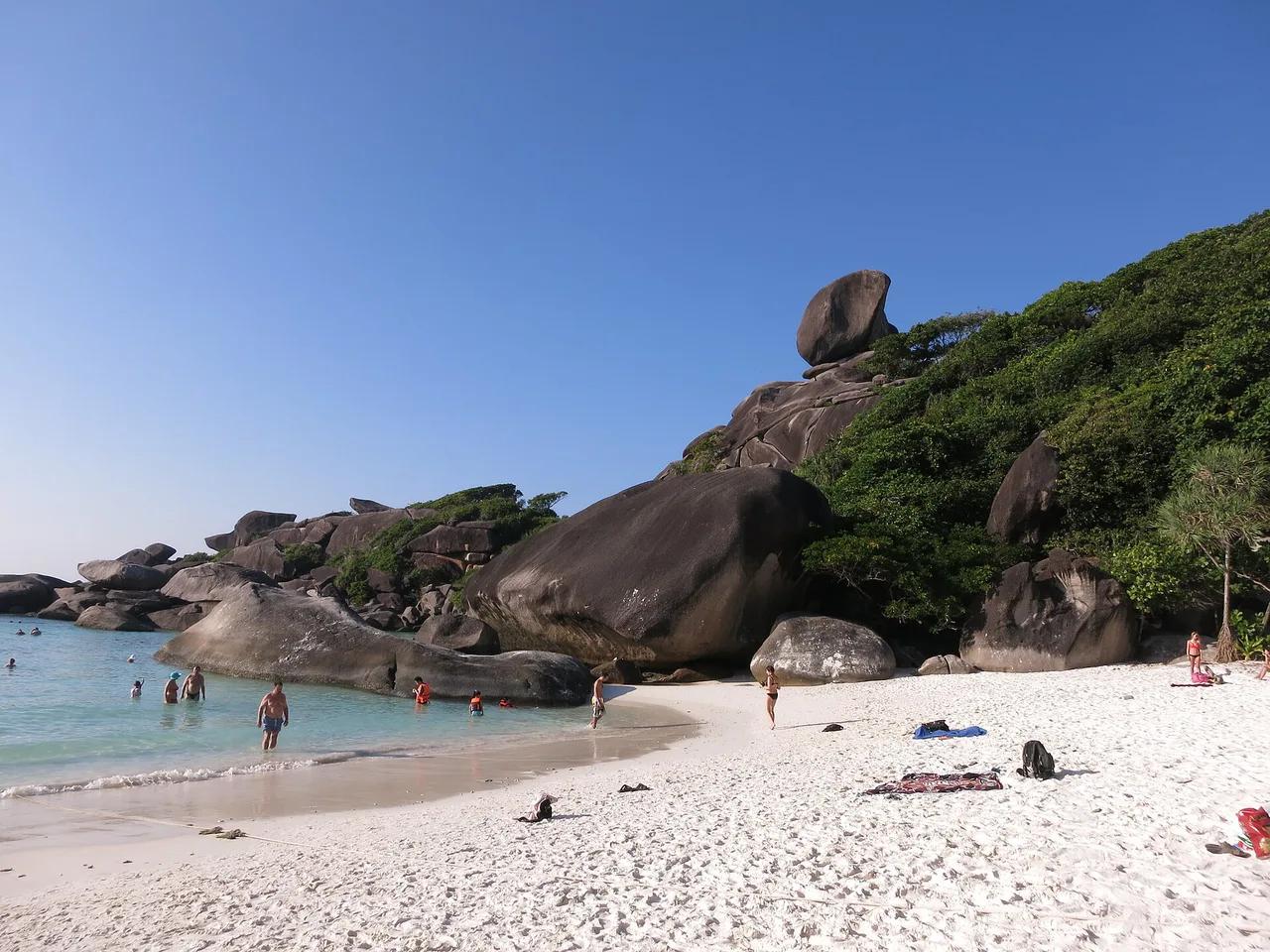
Shallow coastal water is the warmest and easiest to judge. If you plan a reef session from the beach or a short boat trip, our Khao Lak snorkeling guide shows where to go. Wreck and offshore diving feels different. A deeper site such as the Boonsung Wreck, Khao Lak: Depth, Level & Trip Guide can feel cooler at depth than at the surface. Further out, the Similan Islands day trips add a boat ride and more exposure to wind. Thailand's national parks authority, Department of National Parks (DNP), publishes park access details. Our Khao Lak Dive Sites: Similans, Koh Bon, Richelieu Rock & More overview compares the main options.
How Khao Lak compares with Phuket and Ko Lanta
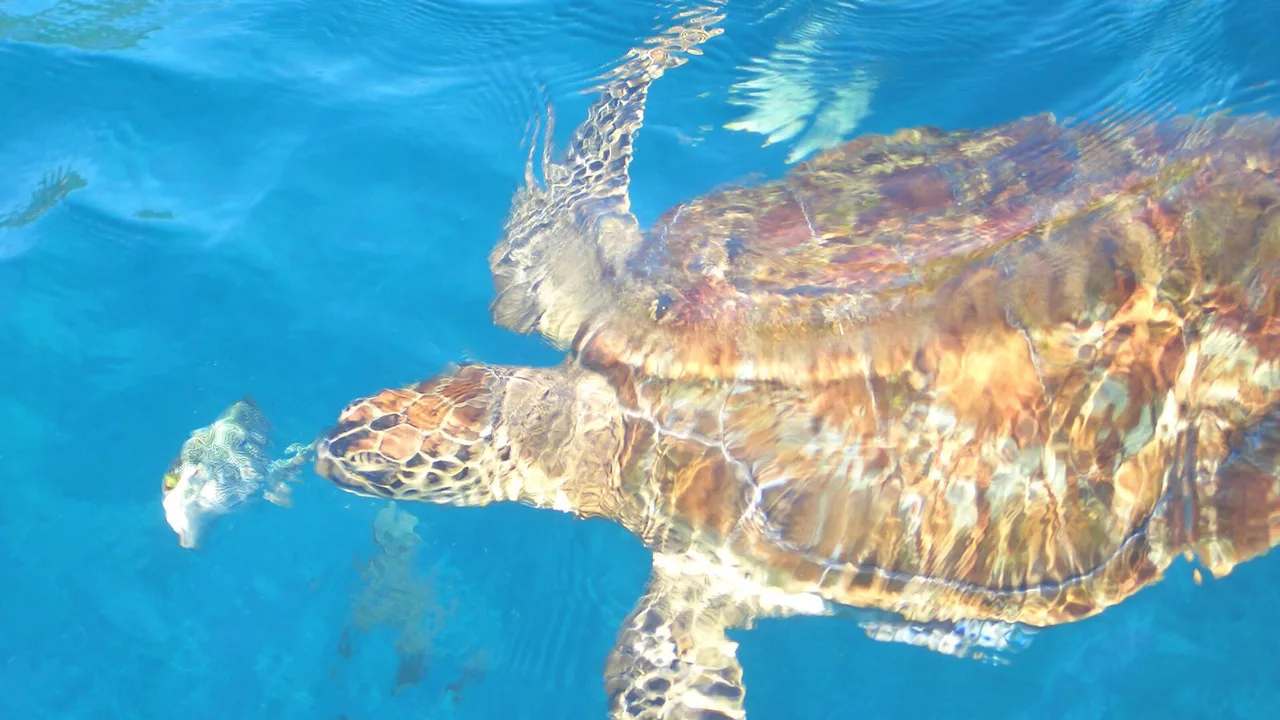
The three coasts share one sea, so the numbers sit close together. Three-year averages put Khao Lak's warmest sea months at March, April and May. Phuket's list shows the same peak, with May and April on top. Ko Lanta is well south of Khao Lak. Its seasonal averages work as a regional guide, not as a Khao Lak reading. Differences of a degree or so should not change any plan. Pick your base on conditions, access and site choice instead. Local turtle encounters, for example, are covered in our Khao Lak Turtles: Conservation Center Guide + Wild Turtle Tips guide.
Ko Lanta's monthly averages sit between 28.5°C (83°F) and 30.6°C (87°F), a wider spread than the degree or so that should not change a plan.
How to check the water on the day
Satellite sea-surface-temperature sites give a current reading for the Andaman coast. Your dive operator's morning briefing is more useful, because it covers the actual sites you will visit. Ask about water temperature at depth, visibility and swell. The Thai Meteorological Department covers weather warnings. Thailand's marine and coastal resources department is the official source for coastal and marine notices. Use live readings only on the day. They go stale within hours, so skip them when planning months ahead.
Planning checklist and mistakes to avoid
Pack light and plan around the sea state, not the thermometer. The checklist below covers the basics. Three mistakes come up often: using Ko Lanta or Phuket numbers as Khao Lak numbers, confusing air temperature with sea temperature, and assuming warm water means calm water in the wet season. Air temperature near 28°C (82°F) in the afternoon says nothing about how the sea feels at 7 a.m.
- Reef-safe sun protection and a rash guard
- A thin layer for long or repeated dives
- A dry layer for the boat ride
- Time buffer for rough-sea cancellations in the wet season
- A morning check with your operator
Frequently Asked Questions
Is 20 degrees too cold to swim in the sea?
For many swimmers, 20°C (68°F) feels cold without a wetsuit. Khao Lak is far above that level. Regional records show monthly minimums near 26.8°C (80.2°F).
What is the best time to visit Khao Lak?
Water warmth does not decide it, since the sea stays warm all year. Weather records show March, February and January as the sunniest months. Rain peaks around July, August and October.
Notes for your next dive trip
Optional updates to our Thai diving guides.
You might also like
Continue reading
More guides you'll find useful